A full sleeve can spread across years of sessions and run anywhere from a few thousand to well over ten, depending on whether you want continuous Japanese narrative, dense geometric work, or a patchwork collection built one appointment at a time.
The artists I found for this list price by the hour or by the piece, and that distinction changes how you budget before the first needle touches skin.
1. Full Sleeve
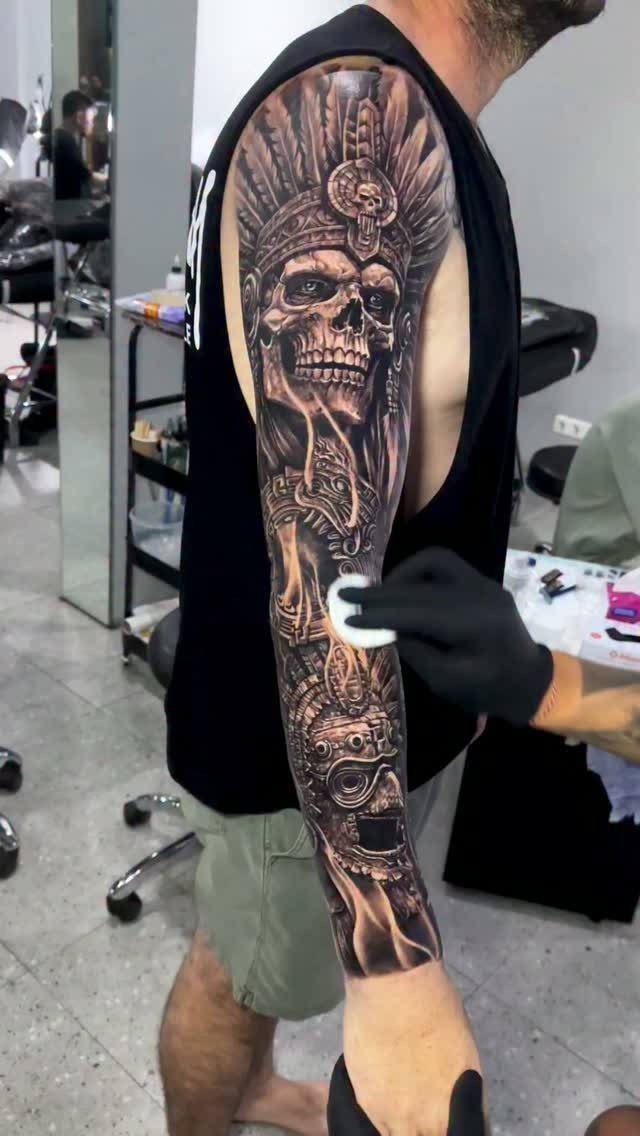
A full sleeve runs shoulder to wrist with no skin showing through, which means committing to 15 to 40 hours of needle time across multiple sessions.
A full sleeve works whether you plan it as one continuous story or let it grow from separate pieces that slowly build meaning together.
The size gives an artist real room for detail, and the result reads almost like clothing, something you will want visible.
Plan the flow carefully; an artist who understands how images move across large areas makes the difference between a sleeve that holds together and one that falls apart at the joints.

24PCS Unique Henna Stencil Pack – This complete henna tattoo kit accessory set includes 24 sheets of reusable mehndi stencils (6.89" x 3.34"). Featuring exclusive designs like long arm bands, moon motifs, vine flowers, and large floral templates, it is ideal for creating DIY temporary skin art on wrists, arms, back, and full body.

★【92% nylon and 8% spandex】stretchable fabric material, easy slip on and off temporary tattoo sleeves for men

Looks Real and Seamless -- 92% nylon and 8% spandex,stretchable fabric material,These arm tattoo sleeves is easy slip on and off,you can feel comfortable and soft whenever you wear it. Reasonable price with great quality.
2. Half Sleeve
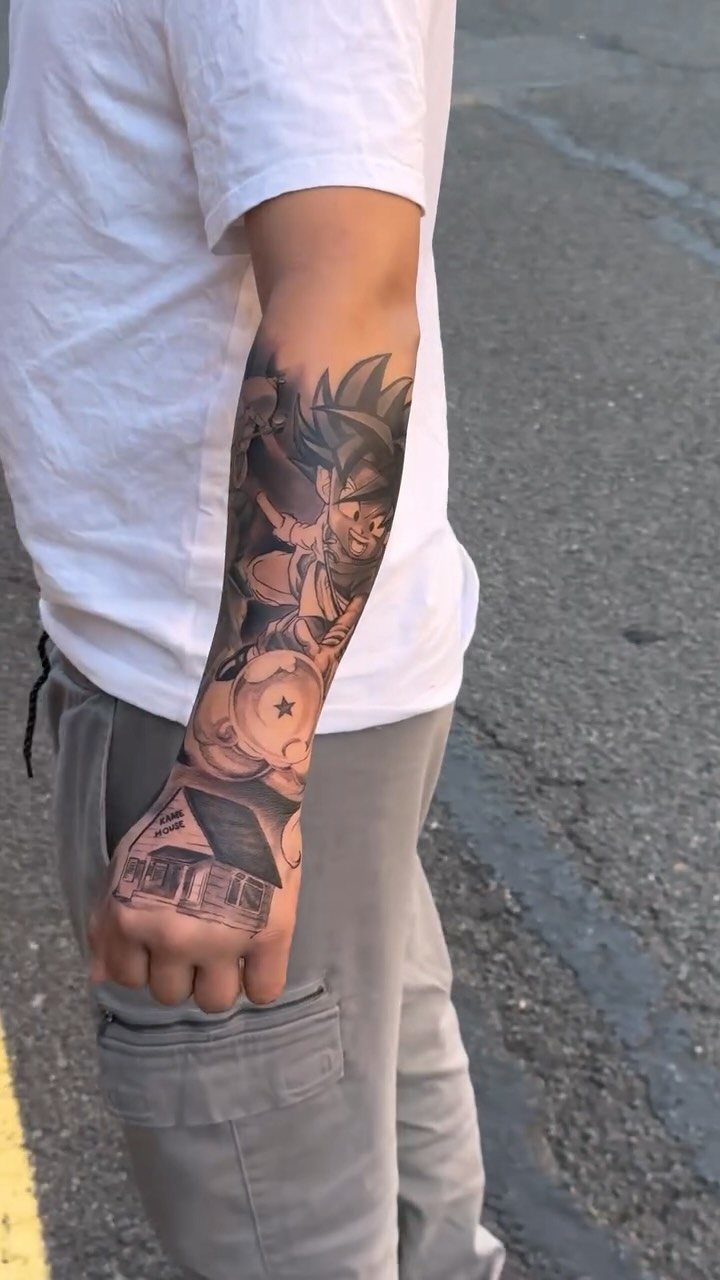
Half sleeves stop at the elbow or start from it, giving you serious coverage without the full commitment.
I have seen friends start here and extend later when they are ready, which is harder to do gracefully than most people expect but still possible with planning.
The elbow-to-shoulder version hides easiest under a short sleeve, a real consideration if you work somewhere formal.
Either placement leaves room to build outward, though I would decide early whether I wanted that option so the first piece sits right for whatever comes after.

Premium Quality 1.5mm Silicone Material – Crafted from premium 1.5mm thick silicone, this tattoo skin offers a true-to-life feel with excellent durability and a smooth surface for effortless needle movement during practice.
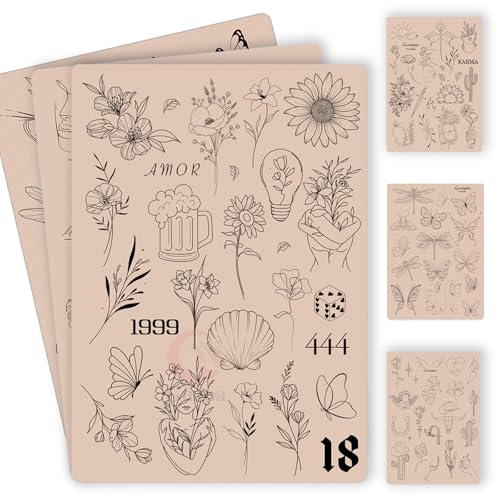
100+ Pre-Printed Designs – Features a wide variety of fine line and tiny tattoo stencils to enhance detailing skills.

Tiny Tattoo Practice Skin: the double-sided, easy-wipe, fine-line tattoo practice skins feature over 80 different stencil designs on the front and back of the skin.
3. Patchwork Sleeve Tattoo
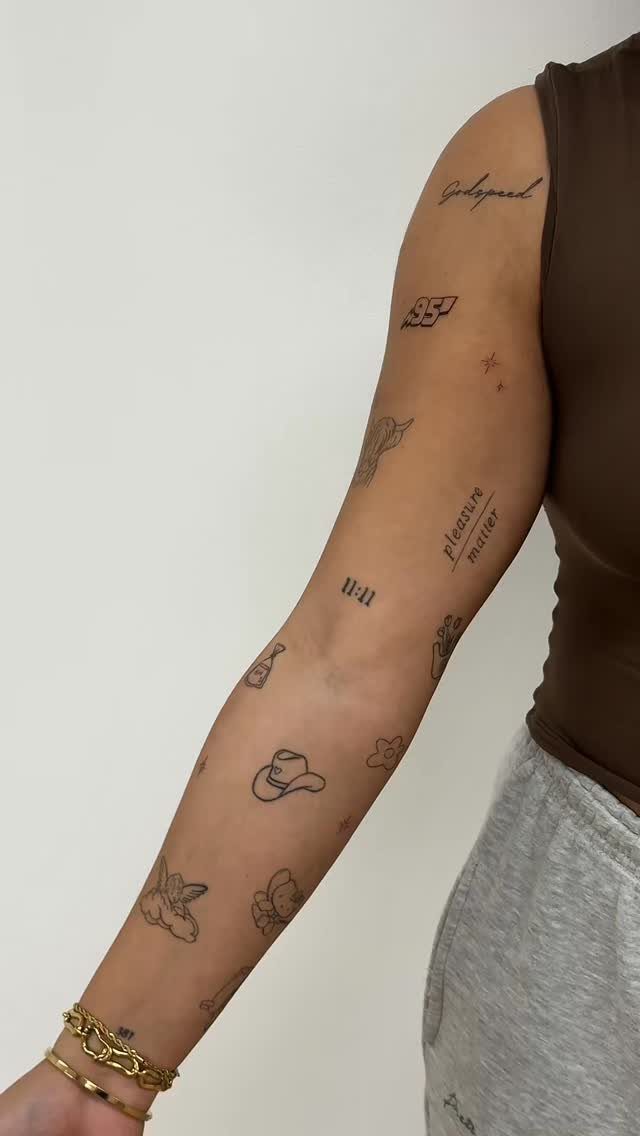
Patchwork sleeves grow piece by piece, cowboy hats beside cherubs beside script, each tattoo standing alone while the overall arm finds its rhythm.
The format matches how most collectors actually live with ink, one session and one meaning at a time rather than a single grand plan. I prefer this honesty; the arm becomes a record of moments rather than a designed statement.
One artist credited under the photo notes she also does pieces under 5 cm, which fits the scale. Leave space between early pieces so later ones can bridge or balance without crowding what came before.

🐙12 Sheets Unique Geometric Temporary Tattoos:🐠 There Are 12 Sheets Black Forearm Temporary Tattoos For Women And Large Geometric Temporary Tattoos For Men Including Various Popular Designs Planet Buddha Triangle Balance Scale Abstract Warrior Sword Skull Tree Bird Clock Book Lion Compass Wolf Scorpion Spider Arrow Tattoos Chains Temporary Tattoo Sticker.

LARGE SCALE DESIGNS: This pack contains 8 sheets extra large tribal full arm temporary tattoos featuring intricate mandala, floral, and geometric patterns, 10 sheets half arm tattoos and 30 sheets small tattoo stickers.

Premium Quality 1.5mm Silicone Material – Crafted from premium 1.5mm thick silicone, this tattoo skin offers a true-to-life feel with excellent durability and a smooth surface for effortless needle movement during practice.
4. Geometric Sleeve
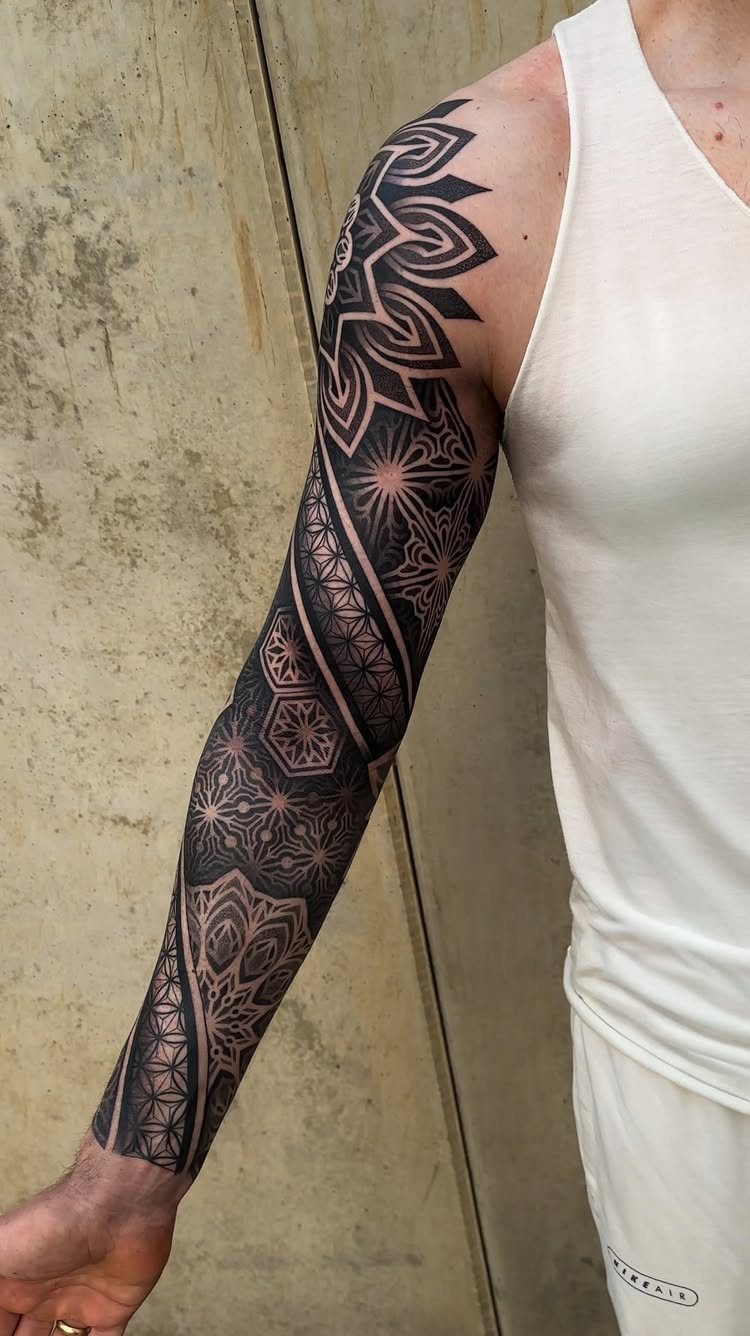
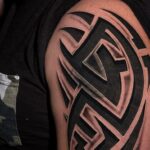
Geometric sleeves demand an artist with real technical control, someone who can keep mandala symmetry true across shoulder curves and wrist bones.
The precision is the point; shapes that look crisp on flat paper must flow with your body or they read as mistakes.
I would check an artist’s healed work specifically, not just fresh photos, because straight lines blur fastest when the hand was unsteady.
The effect when it works is hypnotic, almost architectural, the kind of sleeve that makes strangers stop and look closer.

Sleeve Temporary Tattoos: Full arm temporary tattoos with dragon, tiger and skull patterns are very fashional and individual, you can choose different patterns to meet different interests and needs

6 Japanese Style Design Sheets – Traditional dragon, koi fish, phoenix, and samurai artwork gives you an authentic full-arm sleeve look in one easy application.

Package Includes: 12 sheets sleeve tattoos measuring 19 x 6.7 inches (48 x 17cm), carefully selected styles each can be called a classic, allowing you to try a variety of different styles and make you the center of attention
5. Black and Grey Realism Sleeve
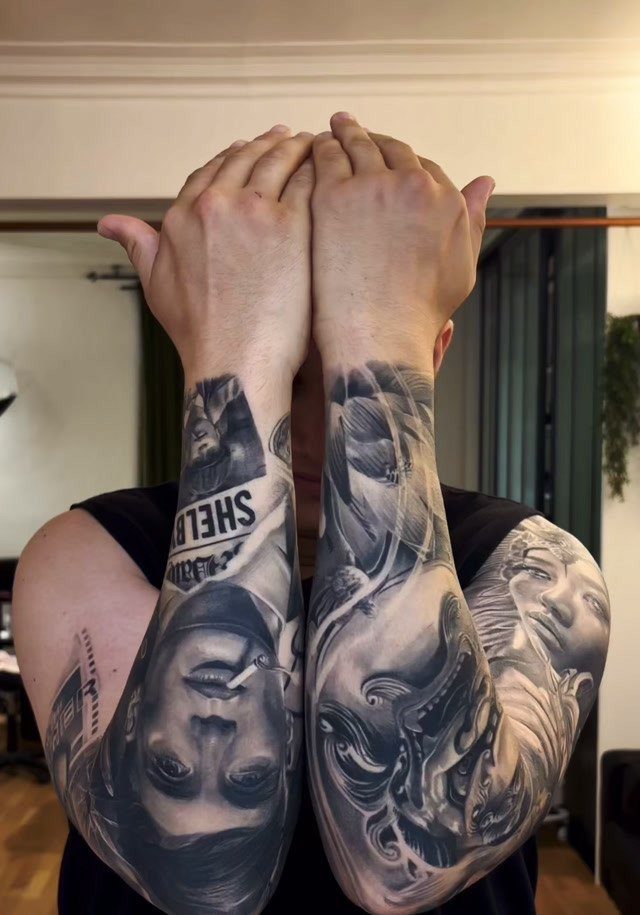
Black and grey realism turns an arm into a photograph you wear, portraits and animals rendered with depth that no other style matches.
Deep blacks against delicate grey washes give it a cinematic quality that actually strengthens as it ages, which is rare; most tattoos soften, these settle into something richer.
This level of precision takes time and a real search for the right artist, since it separates specialists from generalists fast.
I would budget for someone who works exclusively in this style rather than accepting a portfolio with one or two realism pieces mixed among everything else.

SOFT AND STRECHABLE: The tattoo arm sleeves made of 92% nylon and 8% spandex soft fabric material, stretchable to fit your arm. Help to protect your arm from the strong direct sunlight.

✔[FISH TEMPORARY TATTOO] Briyhose Realistic Fish Tattoos Temporary Can Cover Your Body Parts Large. It Contains 8 Sheets 8.27 * 5.83 Inch (21 * 14.8cm) Half Sleeve Fish Fake Tattoo Stickers For Adults Men Women Tatto Kit. You Can Share It With Your Family And Friends.

❥【MUCH QUANTITY】 - 82 sheets temporary tattoo for men women adults body art stickers .Much quantity half sleeve temporary tattoos are enough for you share it with your family and friends. Size: 12 sheets arm temporary tattoos for adult women 8.2x3.8 inch tattoo kit and 70 Sheets small temporary tattoos stickers for kids 4.1x2.4 inch.
6. Japanese Sleeve
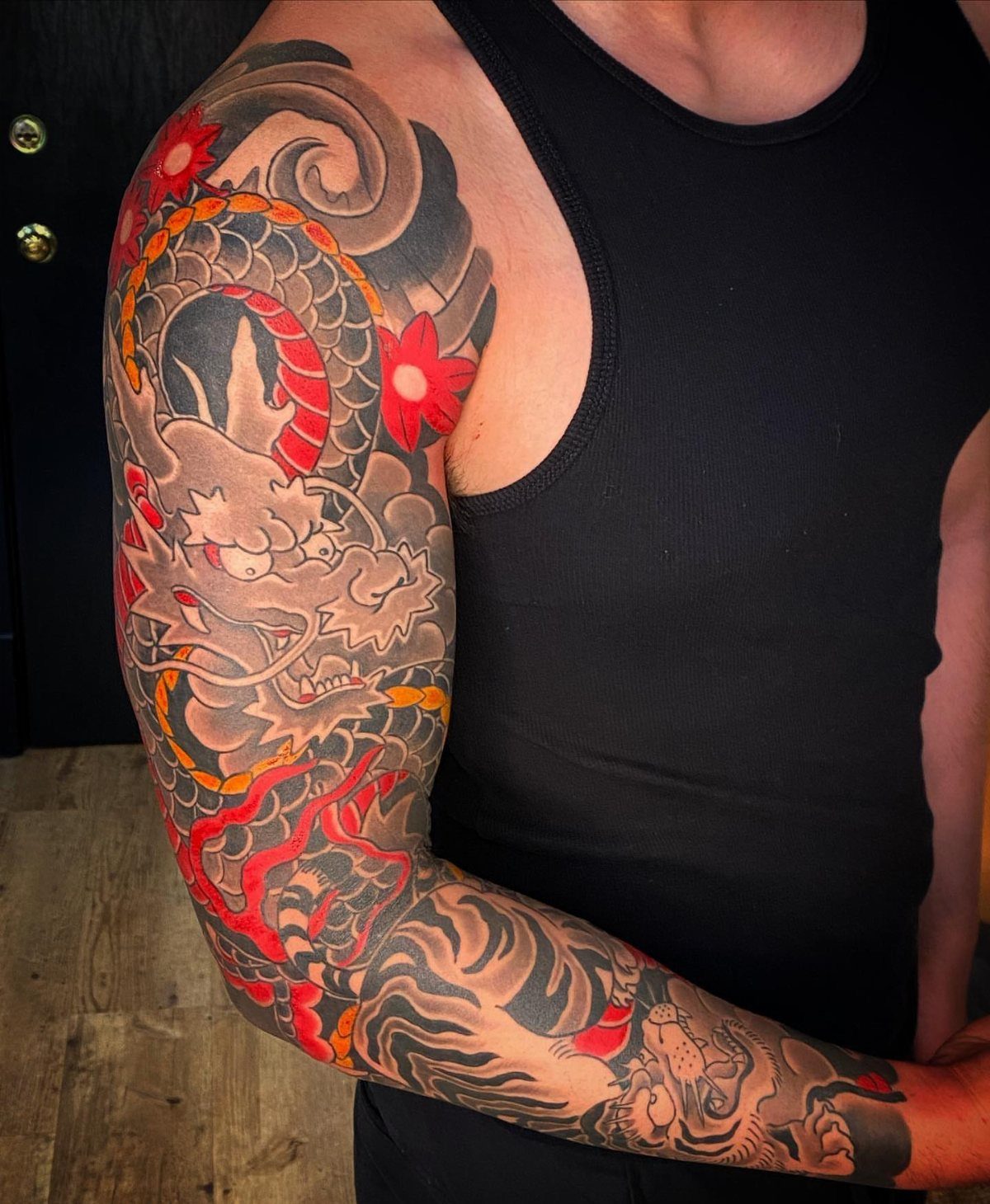
Japanese sleeves wind dragons through wind bars and maple leaves with rules about placement and direction that come from centuries of tradition.
You do not have to follow every convention, but I would learn them before deciding which to break, because the style carries meaning in how elements relate and which creatures face which way.
The range runs from calm florals to fierce beasts, so the first decision is mood, not image. Color holds well in this tradition, which matters if you want the sleeve to read as strongly decades later as it did fresh.

One Size Fits Most People, Measurement is approximately 15.4 inch long by 3.2 inch wide when not stretched. Unless you have really huge arms, these should fit comfortably because they are stretchable.

Unisex and one size fits most.Unless you have really huge arms, these should fit comfortably because they are stretchable.

PACKAGE INCLUDING: Patterns are random. 20 Pieces temporary tattoo arm sleeves in different styles. The fake tattoo sleeves are flexible, comfortable and breathable. Easy to wash, machine washable, do not wash with hot water, recommended to dry.
7. Traditional Sleeve
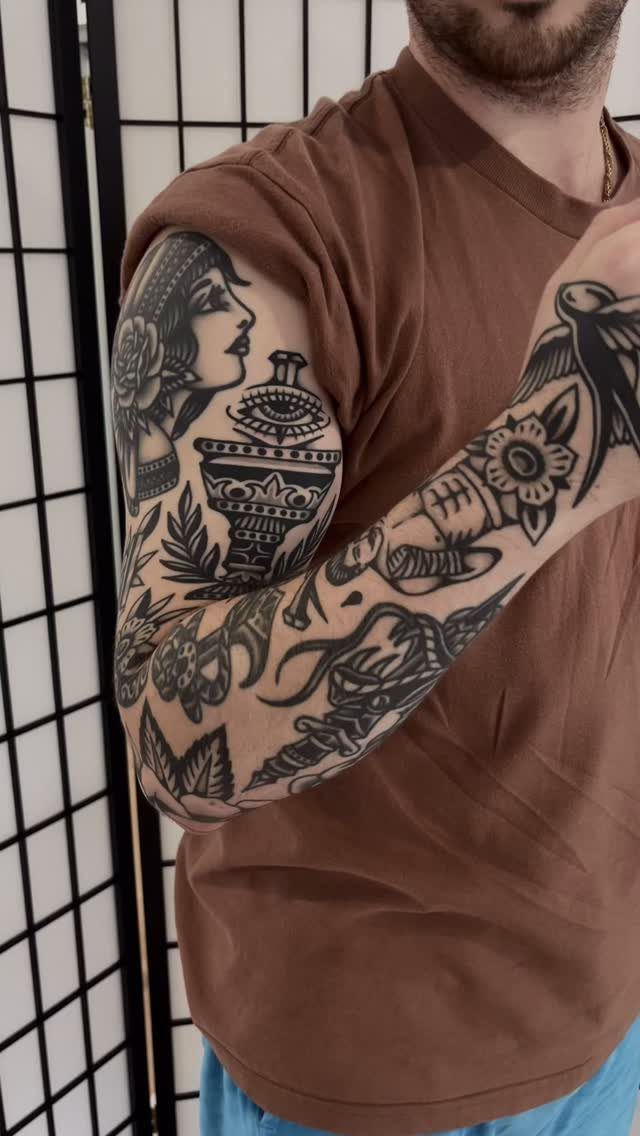
Traditional sleeves stack anchors, daggers, roses and portraits in bold black lines with limited shading, each image readable from across a room.
The style works as a collection of small pieces rather than one flowing scene, which means you can start without a master plan and add symbols as they matter to you.
I would still ask an artist about spacing early; dense packing looks different than planned gaps, and reversing that choice later costs more than the original work.
Check that the artist’s line weight stays consistent; traditional lives or dies on that boldness holding up over years.

Design Experimentation:Our finger Tiny Tattoo tattoo practice pad with more than 80 stencil designs,it can nables artists to experiment with new designs, patterns, and shading techniques.

🌼 Beautiful Hand-drawn Fine Line Style Tattoos - Black and White Fine Line Flowers, Roses, Branch, Butterfly, Arrows, Hearts, Stars

A set filled with delicate, whimsical florals. Express your inner flower child and adorn yourself in our timeless florals.
8. Viking Tattoo Sleeve
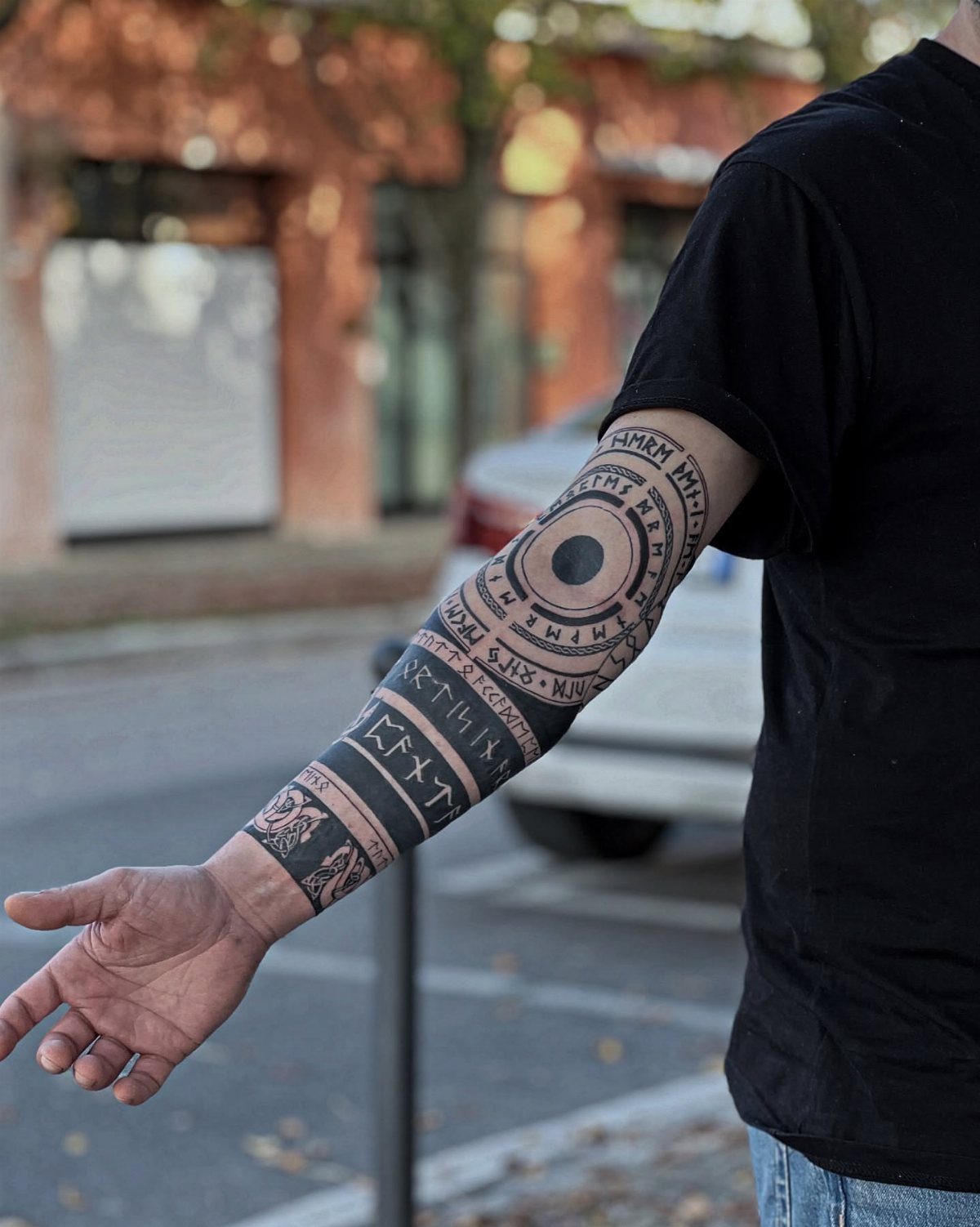
Nordic sleeves run bands, knots and runes in heavy blackwork that reads as armor more than decoration. The imagery carries weight from actual history and from its afterlife in metal album covers, so know which layer you are drawing on.
Runic text especially needs verification; a symbol that looks striking might mean something unintended or nothing at all.
I would find an artist who studies the source material rather than copying secondhand references, because the difference shows to anyone who knows the tradition.
Circular patterns flow with the forearm’s muscle structure, a placement that moves well when the body moves.

1 Set = 12 Sheets Henna Tattoo Stencils, 6 Pairs Right and Left hands stencils. Pasting position: Hand, Finger,Forearm, etc. Suitable for Henna tattoo, Airbrush Painting, Glitter tattoo, and so on;

REUSABLD VARIETY OF OPTIONS - This set of temporary tattoo stencil includes 123 different patterns for adult,male. Scorpion tiger dragon cow eagle skeleton Tribal Symbols geometric design etc patterns in 20 pages A4 size, Almost unlimited creative combinations and options to meet your every need.

Warm Tips: The tattoo transfer paper need to work with transfer medias.You will need to purchase the stencil ointment separately. Apply the design made on the master paper. Please pay attention to press the back side of the pattern to the skin for at least 3 seconds
9. Floral Sleeve Tattoo
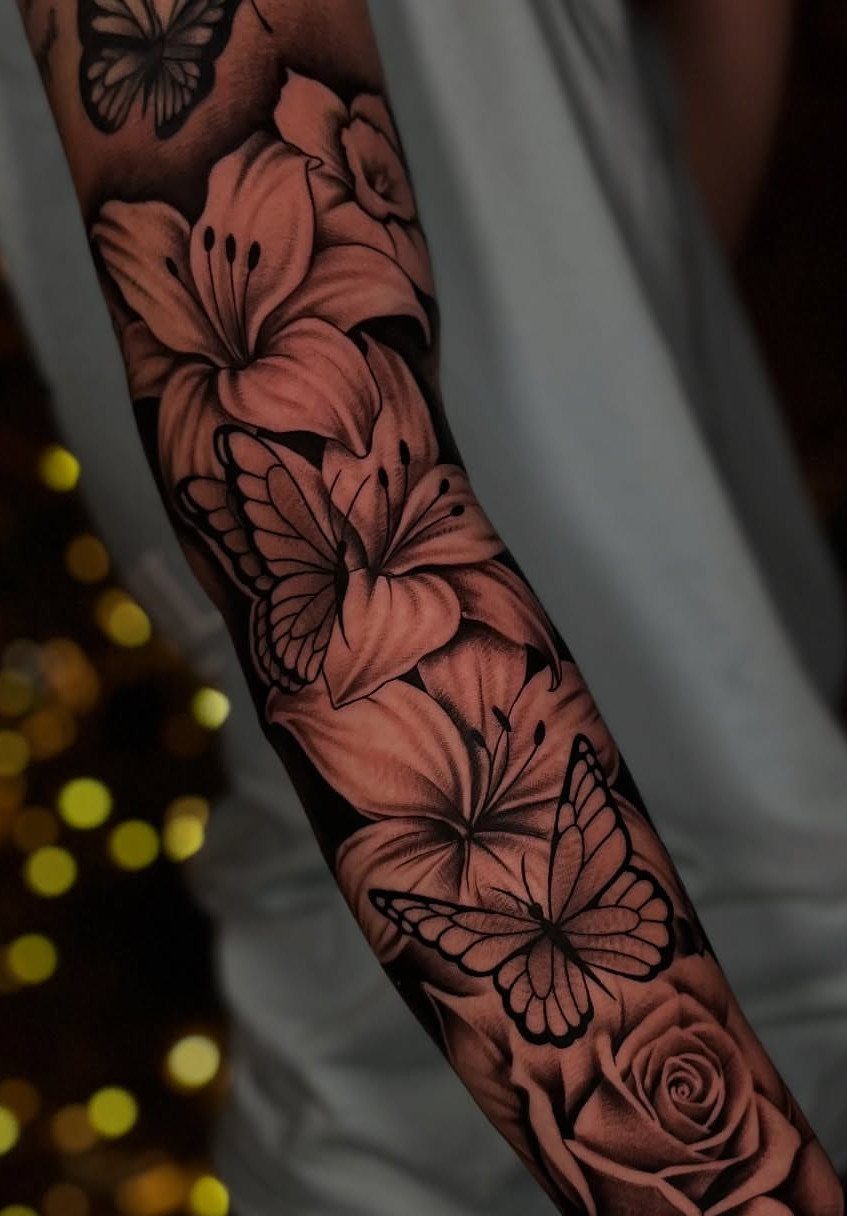
Botanical sleeves grow lilies, roses and butterflies across the arm with an organic rhythm that looks like the garden arrived there naturally.
The style suits collectors who want something personal without committing to a single narrative; birth flowers mixed with favorites build meaning without forcing a theme.
Black and grey keeps it subtle and ages gracefully, though color stays an option for specific blooms you want to pop.
I would prioritize an artist who draws from life rather than flash; the difference between a rose that opens correctly and one that merely resembles a rose is what makes a sleeve worth wearing.

✔[FULL SLEEVE FLOWER TATTOO] Briyhose Colorful Japanese Drama Full Arm Temporary Sleeve Tattoos Can Cover Your Body Parts Large. It Contains 4 Sheets 18.9 * 6.7 Inch (48 * 17cm) Long Sleeves Monster Fish Japan Stage Play Fake Tattoo Stickers For Women Tatto Kit. You Can Share It With Your Family And Friends.

Package Includes: Includes 12 sheets of Japanese style full arm temporary tattoos for men and women. Each tattoo sticker measures 18.9 x 6.7 inches. Suitable for arms, thigh, calves, back or other body areas. Easily create a realistic full arm tattoo sleeve look in minutes

10. Minimalist Sleeve
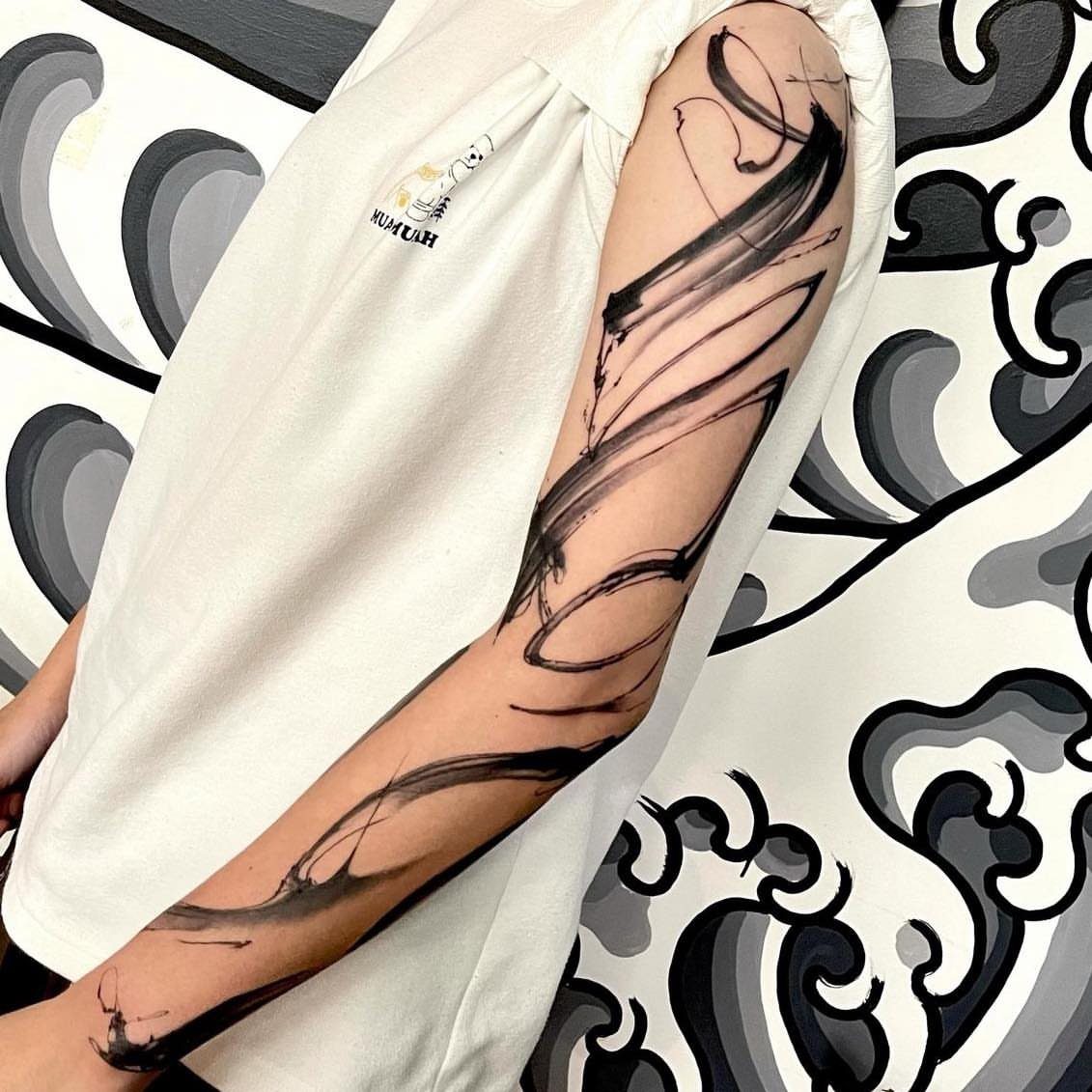
Minimalist sleeves build from scattered fine lines, small symbols and brushstroke shapes that leave most of the arm untouched. The negative space is not absence; it is the frame that makes each piece visible and every weak choice obvious.
This format demands curation over accumulation, which costs more in decision time than in ink. I would start with one strong piece and live with it before adding, because the sleeve only works when each element justifies its place.
Brushstrokes sweep with the arm’s length rather than across it, a directional choice that follows the limb’s geometry.

Material and Size: crafted from fabric, these tattoo sleeves a skin-friendly experience for all users; Designed for men, the arm sleeve tattoo fits snugly at 18.11 inches/46 cm, plus size is suitable for those with wide arms, while one size is for regular arms, comfortable fit that feels natural on your skin

🐳[8 Sheets Black Dragon Tattoos in One Package!] - Original Brand of TASROI 3D imperial loong Tribal Dragon Temporary Tattoos For Women Men and Adults. Tattoos Temporary Contains 8 Large Sheets Water Transfer Animals Dragon Floral Flower Rose Moon Serpent Totem Armband Etc.
11. Ornamental Sleeve
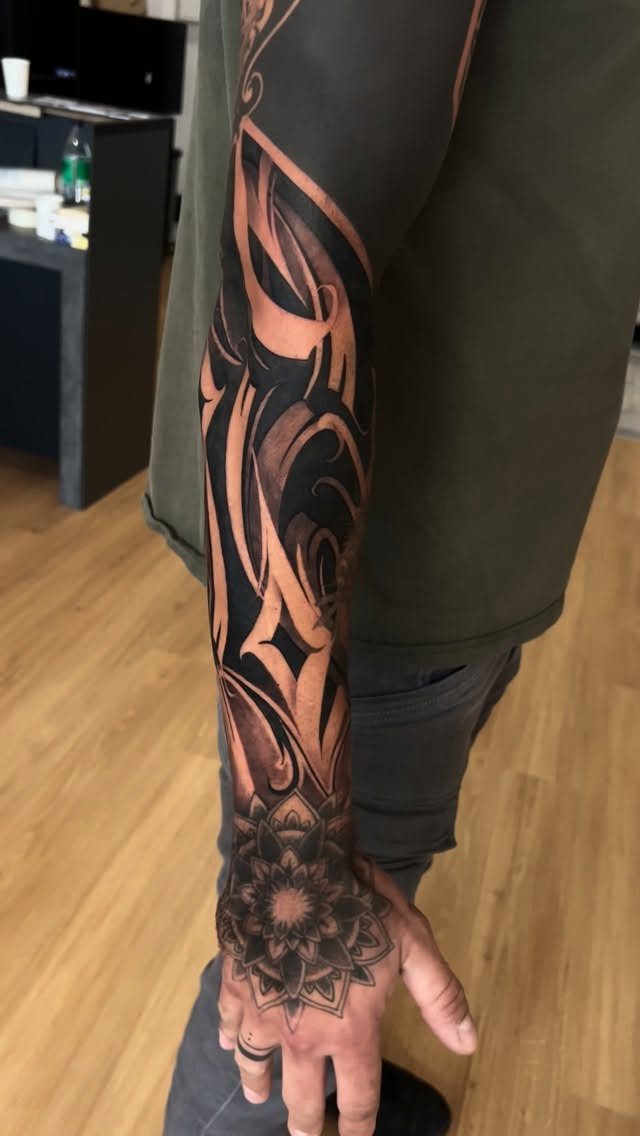
Ornamental sleeves treat the arm as architecture to decorate rather than canvas to illustrate, with patterns that follow bone and muscle like fitted jewelry.
A mandala on the hand extends the sleeve past where most stop, a choice that commits the hand fully and affects employment options more than a forearm piece.
I would ask about how these dense patterns heal on joints and knuckles; skin there moves constantly and holds ink differently.
An artist who specializes in this work understands how a pattern must distort to look straight when the arm bends, a technical problem that separates specialists from generalists.
12. Animal Sleeve Tattoo
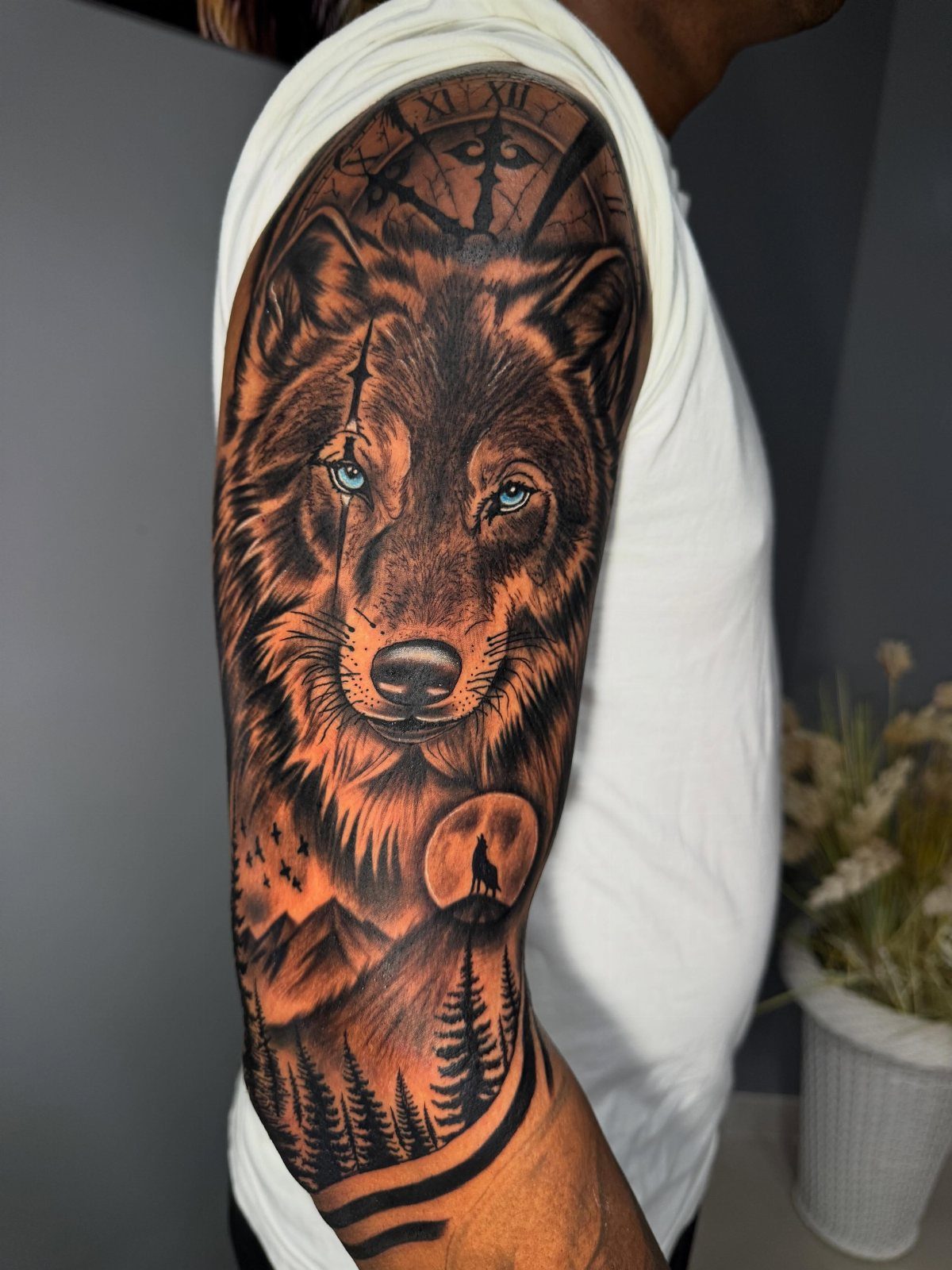
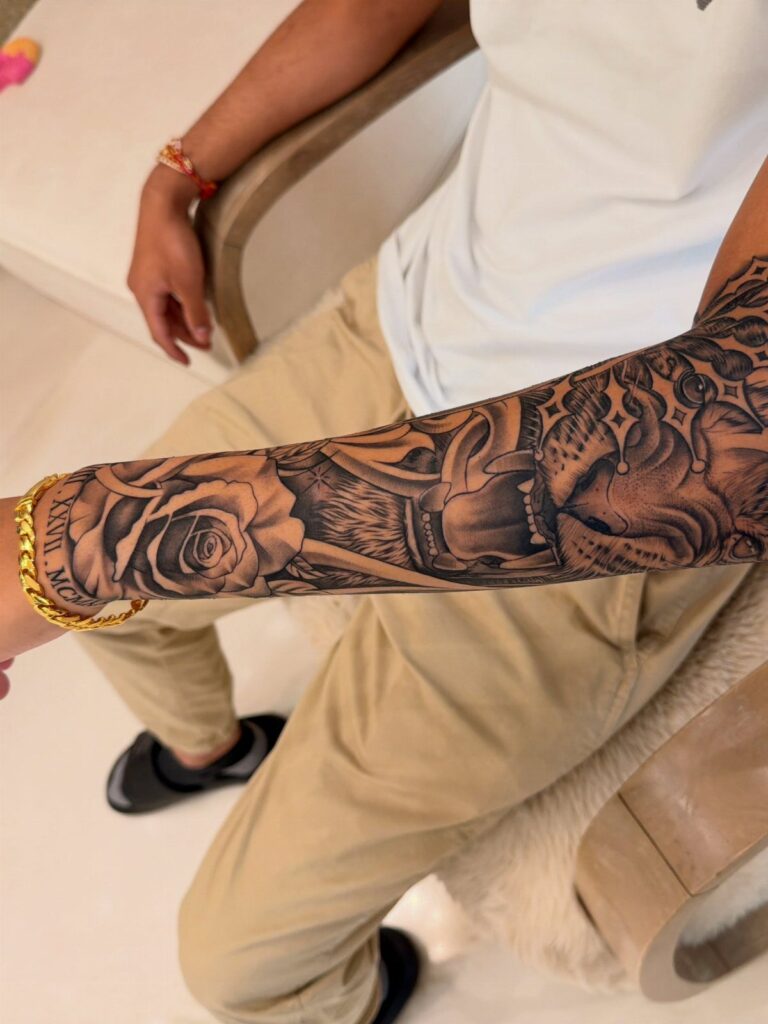
Animal sleeves center a creature that carries meaning for the wearer, wolves and lions most often, rendered with enough landscape to place them in a world.
The wolf pairs realistic portraiture with a howling silhouette against moon and mountain, mixing 2 visual languages that need an artist skilled at both.
Color draws the eye to specific elements, blue eyes in grey fur, though black and grey carries the same weight without the maintenance.
I would decide early whether the animal represents something personal or something projected; the design choices differ, and a sleeve that tries both usually serves neither.
13. Disney Sleeve Tattoo
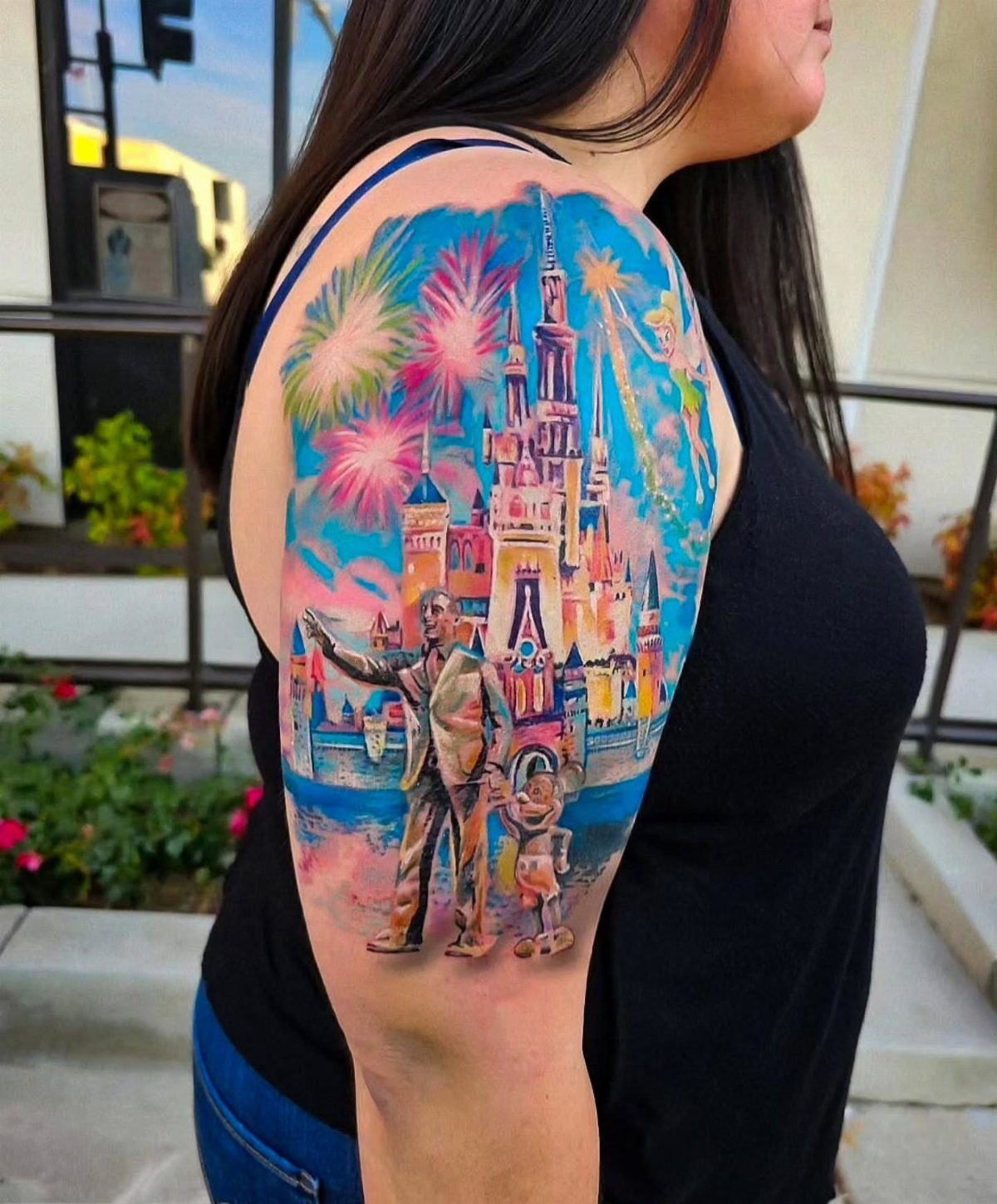
Disney sleeves pack decades of Saturday mornings into one arm, the castle and characters arranged so no single film dominates unless that is your story.
Full color stays true to the source, though black and grey treats the same images with a subtlety that ages better and draws less attention in professional settings.
I would decide early whether the goal is personal nostalgia or public statement; a sleeve heavy with Tinker Bell and fireworks reads differently than one anchored by the Partners statue.
Either way, an artist who handles animated line work understands how cartoon eyes and expressions must hold their shape at scale, a specialty worth seeking out.
How to Plan a Tattoo Sleeve
A sleeve needs an anchor piece that carries enough weight to hold everything that follows. I would place that anchor on the outside bicep, where the eye lands first, then let the design flow down toward the inner forearm.
That top-down structure is not the only option, though; some artists now push against that classic layout, running 3 focal points instead, top bicep, lower forearm, back of forearm, to give the arm a different rhythm.
Your artist has to read your anatomy, not just the flat sketch. Shoulder curves and wrist bones change how lines travel, and a design that looks continuous on paper can break apart on skin.
Ask early how your artist plans for that movement, and whether they think in the traditional outside-to-inside flow or something that challenges it.
Tattoo Sleeve Aftercare
Every session in a sleeve project needs the same 2 weeks of careful healing as a single small tattoo. I wash mine with unscented soap, pat it dry, then layer on a plain moisturizer without any perfume in it.
Pools, salt water and saunas stay off limits until the skin has sealed itself back up. Soaking is the risk here, baths included, not quick showers.
Sun matters more for sleeves than most placements because the area is large and often exposed.
Fine lines and micro realism fade fastest under UV because that ink rides closer to the surface of the skin. SPF 50 or higher on healed work, every time the arm sees direct sun.
Rest between sessions is not optional. Your body does the actual healing, and too much intervention slows that.
I skip deodorant on inner bicep pieces until they close up; the alcohol and fragrance sting fresh skin and can clog what is trying to breathe. Water and sleep beat any cream.
Cost and Time Considerations
A half sleeve at a premium studio runs $2,000 to $6,000, with fine line and micro realism at the higher end.
A full sleeve ran me between $5,000 and $15,000, and that was spread across months of appointments, sometimes years if life got in the way. The total depends on style, artist, and how many sessions the design demands.
Travel adds time and cost if your artist is not local.
Some studios price per hour, others per piece.
Ask which applies when you book, because the math changes how you budget. Either way, a sleeve is not a single purchase; it is a commitment measured in both money and calendar time.
Frequently Asked Questions
How much does a good arm sleeve tattoo cost?
A half sleeve at a premium studio runs $2,000 to $6,000, while a full sleeve typically costs between $5,000 and $15,000. Fine line and micro realism sit at the higher end because of the precision they demand.
Some artists charge by the hour, others by the finished piece, so that is one of the first questions to ask when you sit down to plan it out.
Is an arm sleeve tattoo painful?
Pain depends on your tolerance and which part of the arm is being worked.
The outer bicep is usually easiest; the inner bicep, elbow ditch, and wrist bone hurt more because the skin is thinner and nerves sit closer. Sessions run long enough that fatigue becomes its own factor after a few hours.
How long does a tattoo sleeve take?
A full sleeve needs 15 to 40 hours of needle time spread across multiple sessions, sometimes over months or years if life interrupts the schedule.
A half sleeve takes roughly half that. Artists usually space appointments several weeks apart so the skin can fully settle between rounds.
How big is a $1000 tattoo?
At current rates, $1,000 buys roughly a palm-sized piece or a small-to-medium single session at a mid-level studio, not sleeve work.