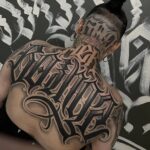
The 12 ideas below start with a single-needle heart outline and run up to a full traditional rose with packed color and black shadow, so the right pick depends on whether you are still training line control on practice skin or ready to layer shading and saturation.
Every entry uses tools a beginner can actually reach for: a 1201RL or 0801RL for the small stuff, a 3RL for standard lines, and only the color pieces ask for more.
1. Minimalist Heart Tattoo
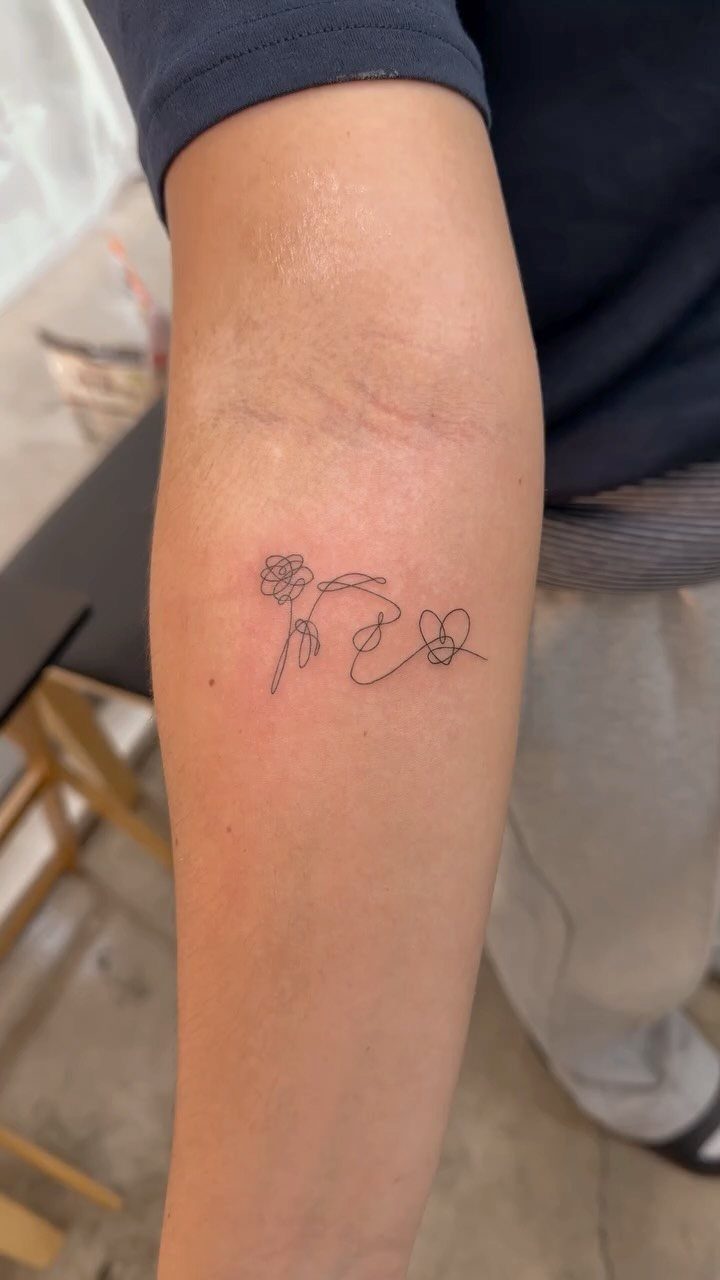
A minimalist heart sounds simple until you try to keep one line alive across skin without wobbling or going too deep. A small flower tucked against the heart keeps the design from looking like clip art.
The real work here is line practice. You will want to run single-needle passes on artificial skin until your hand stays steady for the full curve.
No shading, no color changes, just one clean stroke after another. That same needle can carry you through the whole piece, which keeps setup simple while you focus on placement.
I would start larger than the final size to train the motion, then scale down once the line stays true.

Versatile: BIOMASER tattoo needle cartridges are suitable for shading, lining, and rotary tattooing.It can not only use on body art tattoo,but also permanent makeup eyebrow,liner,lip etc.

Cartridge Needles Sizes: 20 pcs 1RL tattoo cartridge needles for lining. The needle edges are specially designed to catch more ink. Transparent body, high visibility. Great gifts for tattoo artist and beginners

2. Music Notes with Heart Tattoo
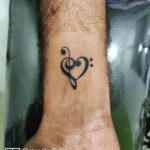
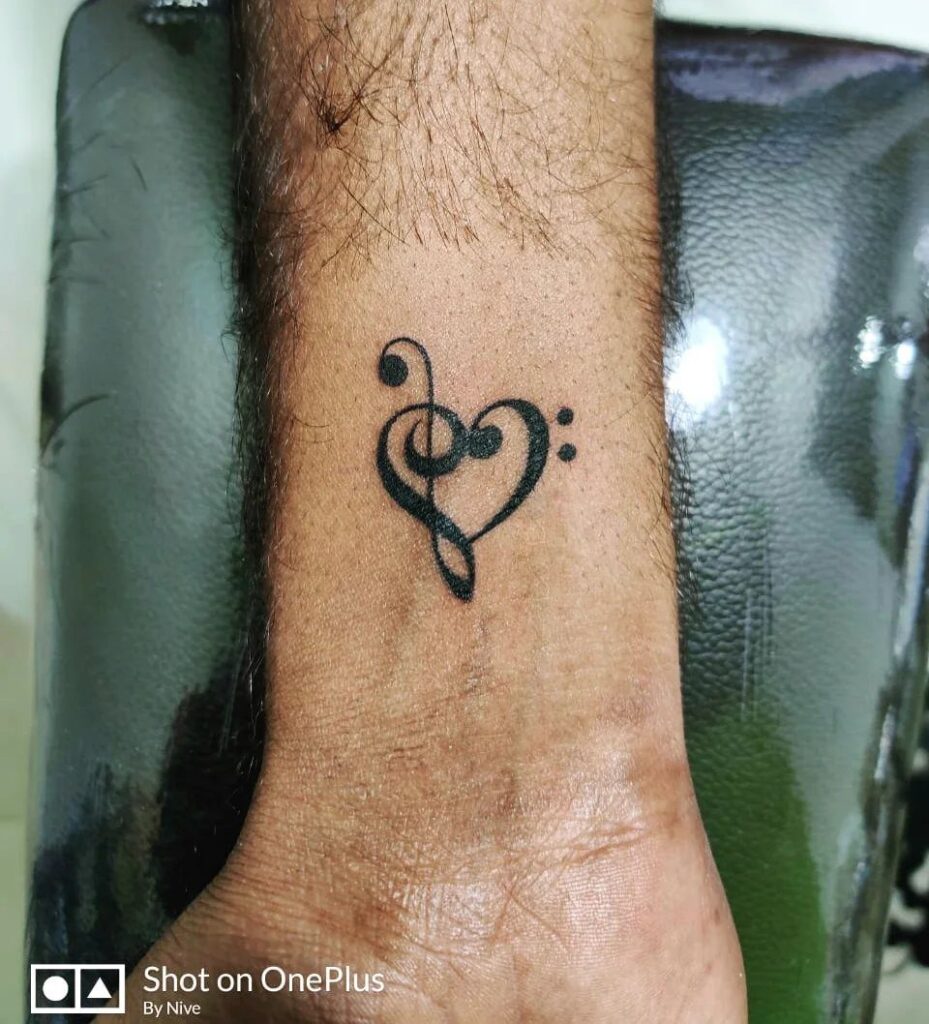
2 clefs bent into a heart shape sit right where a wrist moves most, which means the skin there will test your line control more than a flat practice pad ever can.
The design needs no shading, just lines that shift between thin and thick to show which clef is which.
Before you load up, decide whether the heart reads clearly at the size your client wants.
The photo sits on a small wrist; at that scale, any wobble in the joining point kills the illusion. Varying line weight is your only tool, so map it on paper first.
Standard size: Tattoo Transfer Paper is standard A4 paper size, each measures 8.27 in X 11.69 in. There are 4 levels in total. The thickness of the paper is very light and smooth to the touch.
ADVANCED MATERIAL: Tattoo transfer paper is made with the high quality dyes and stencil paper. Transfer marks are very clear, clean and smooth. Tattoo transfer paper kit come with 35 sheets. Great for tattooing, trace and transfer images onto the body.<br>

Warm Tips: The tattoo transfer paper need to work with transfer medias.You will need to purchase the stencil ointment separately. Apply the design made on the master paper. Please pay attention to press the back side of the pattern to the skin for at least 3 seconds
3. Simple Tribal Dragon Tattoo
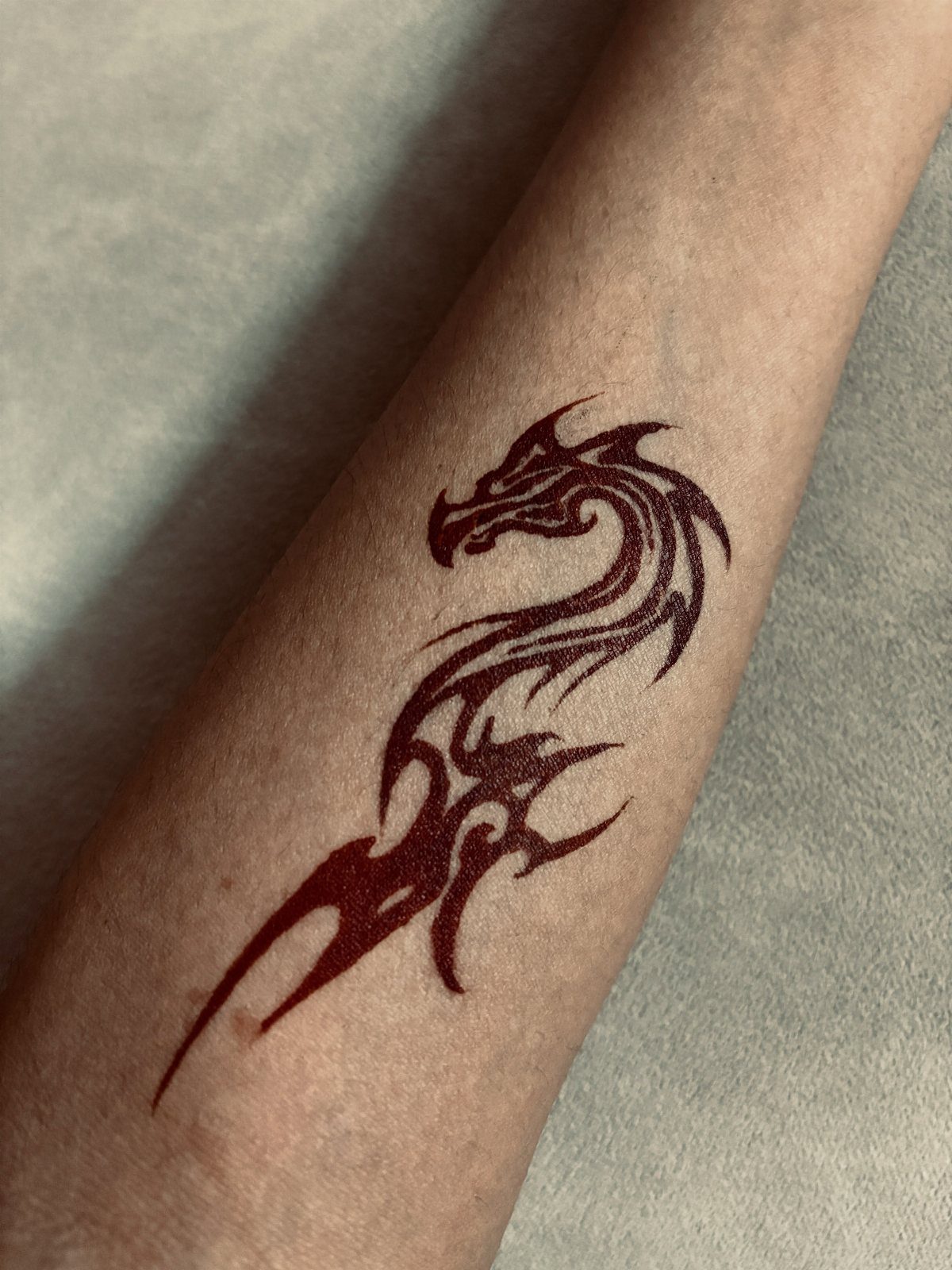
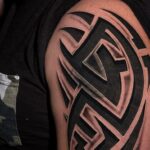
Tribal work lives or dies by how the black sits against skin tone and how the flow follows muscle. Running the dragon with the forearm’s length rather than across it reads as movement instead of sticker.
Thick, dark lines are the whole vocabulary. Skip the gray wash and fine detail; saturation and a confident hand on every pass matter more.
Lay the stencil so the curve accentuates the muscle underneath, not fighting it. Dark red instead of pure black is a call I have seen work on lighter skin, where solid black can go flat.

【PREMIUM 3MM THICKNESS】Our practice skins are crafted from 3mm thick, professional-grade silicone to deliver an authentic tattooing experience. This optimal density provides superior needle resistance, elasticity, and durability — just like real skin. Perfect for mastering stretching techniques, shading, and outlining without the pressure of working on live models.

Premium Quality 1.5mm Silicone Material – Crafted from premium 1.5mm thick silicone, this tattoo skin offers a true-to-life feel with excellent durability and a smooth surface for effortless needle movement during practice.
100+ Pre-Printed Designs – Features a wide variety of fine line and tiny tattoo stencils to enhance detailing skills.
4. Simple Sunrise Tattoo
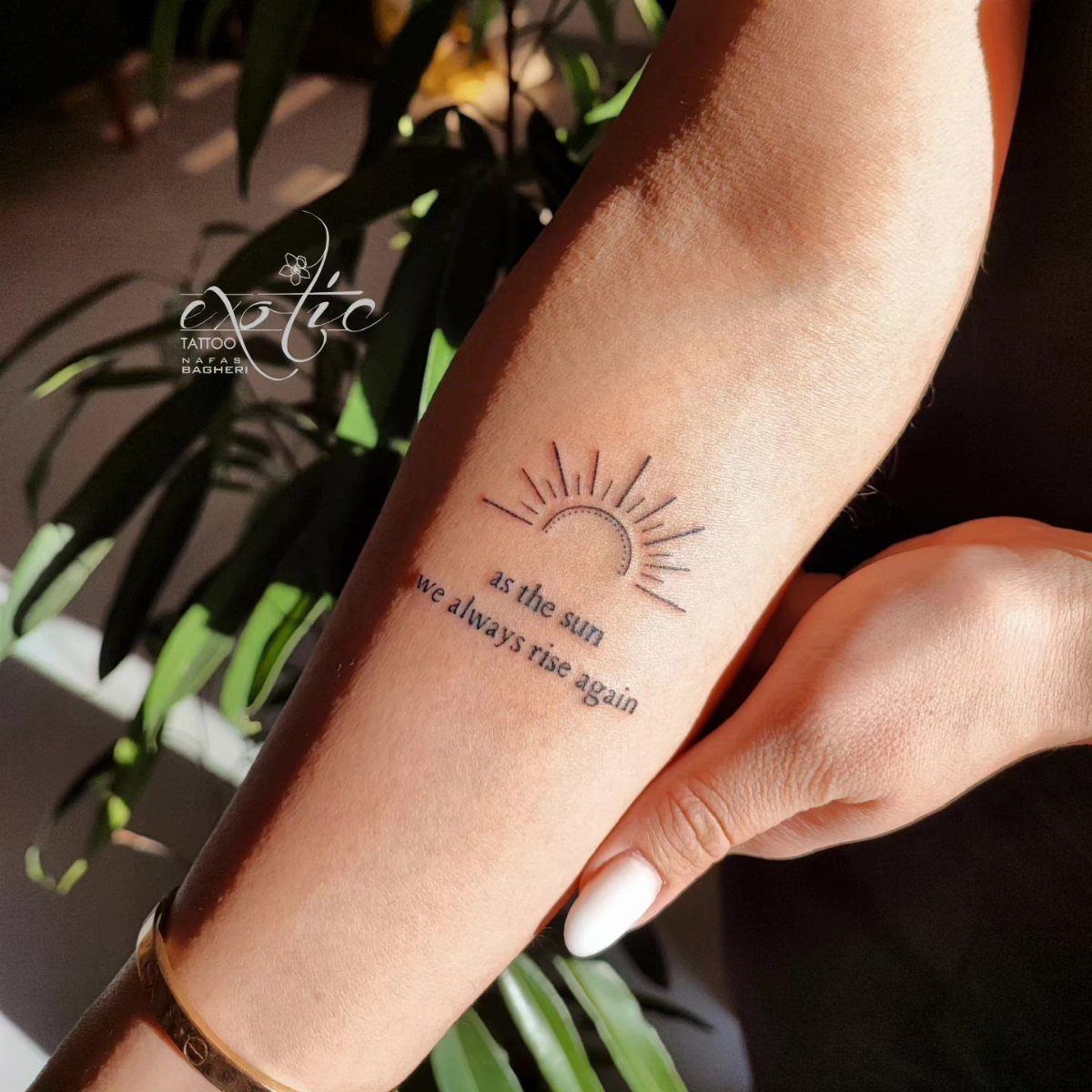
A sunrise looks like it should be easy until you try to make those rays feel like light instead of spokes.
The photo uses lines of different lengths to build the arc, which is harder than a full circle because each ray has to land at the right angle or the whole sun tilts.
The text below the sun keeps the same vocabulary, just horizontal.
Lettering at that size takes its own discipline, and I would separate the 2 skills rather than trying both on a first piece. Practice the sun alone on curved fake skin until the arc stays true when the surface bends.

0801RL FOR ULTRA-FINE DETAIL – Built with a single 0.25mm bugpin needle and a 5mm long taper for focused, precise contact. The fine single-needle configuration is ideal for ultra-fine lines, small details, delicate linework, micro-style designs and subtle finishing work.

Dragonhawk Tattoo Needles: High-quality tattoo needles, manufactured under the trusted Dragonhawk brand, are perfect for all-purpose work. With a polished, long taper design, these needles ensure reliable performance and excellent control.
Mast Pro purple tattoo cartridges needles have been providing with high density clear plastic body.
5. Rose Tattoo Without Stem
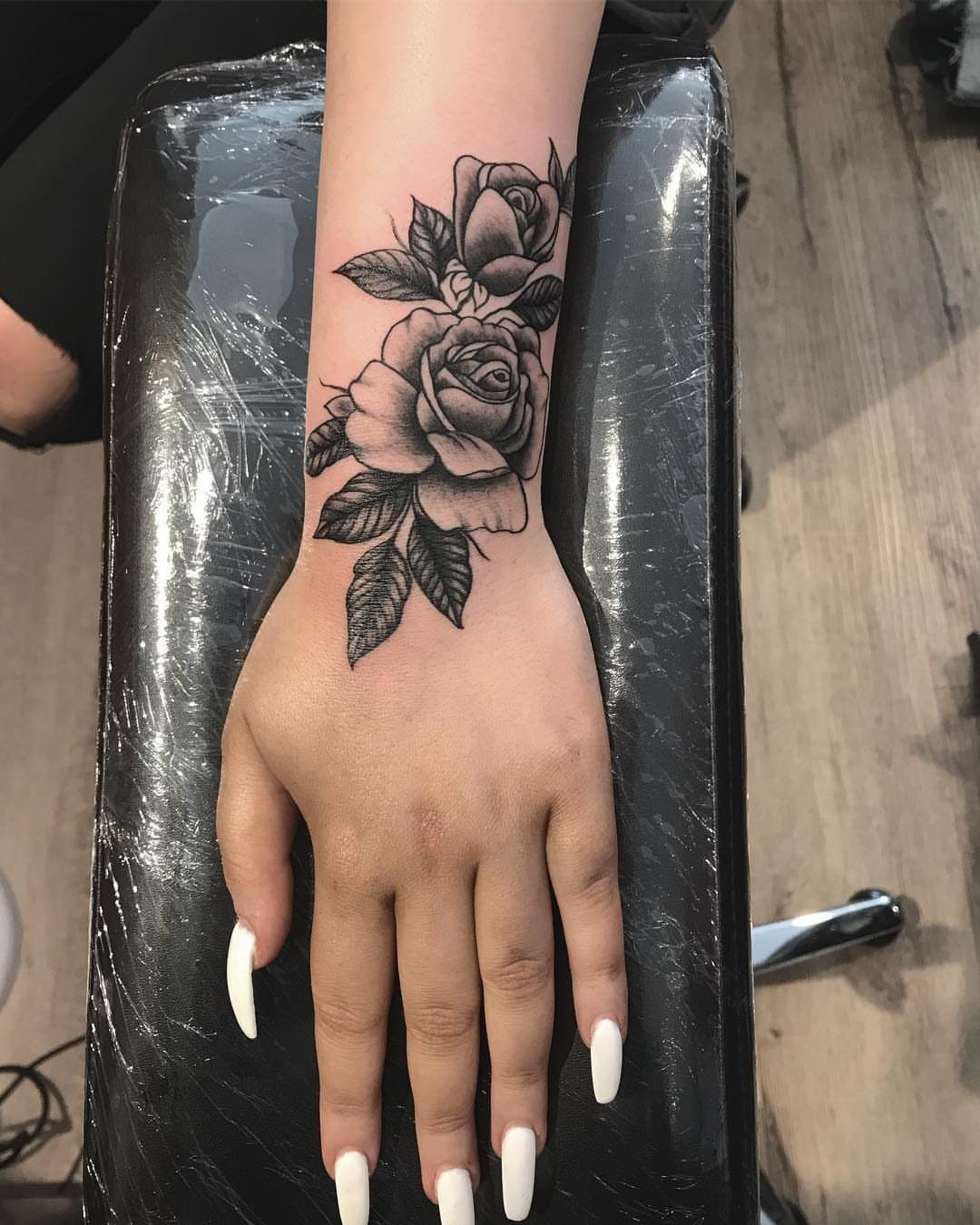
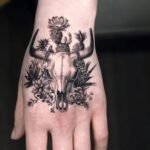
A rose without its stem forces you to build depth from line weight alone, no shading to hide behind. Leaves extending onto the hand is advanced placement for a beginner, but the flower itself is manageable on flatter ground.
Vary your needle grouping or your pressure to get the thin outer petals against the heavier lines of the inner folds.
This is an excellent way to train depth without color: once you can make a flat design read round, you have a skill that transfers everywhere. Keep the first attempts small; large lines of varying thickness show every hesitation.

77 sheets american traditional temporary tattoos,17pieces 7.48*3.74 and 60pieces 3.85*2.28,including sailor,anchor,snake,eagle,sailboat,sailor, pentagram,lighthouse,heart,swallow,flower,vintage roses,swallows,demon,butterflies,sword,skull,eagle,scorpion

Rose Temporary Tattoos : You'll receive 8 sheets rose flower temporary tattoos, each measuring 12x17cm (4.7x6.7 inches). No designs repeat, so you can switch them up and share them anytime

Perfect for admirers of American traditional tattoos, old school tattoos and traditional tattoo graphics. Great if you love getting inked, tattoo flash and tattoo streetwear! Show your love for unique edgy graphics with our retro tattoo inspired designs.
6. Traditional Red Rose with Leaves Tattoo
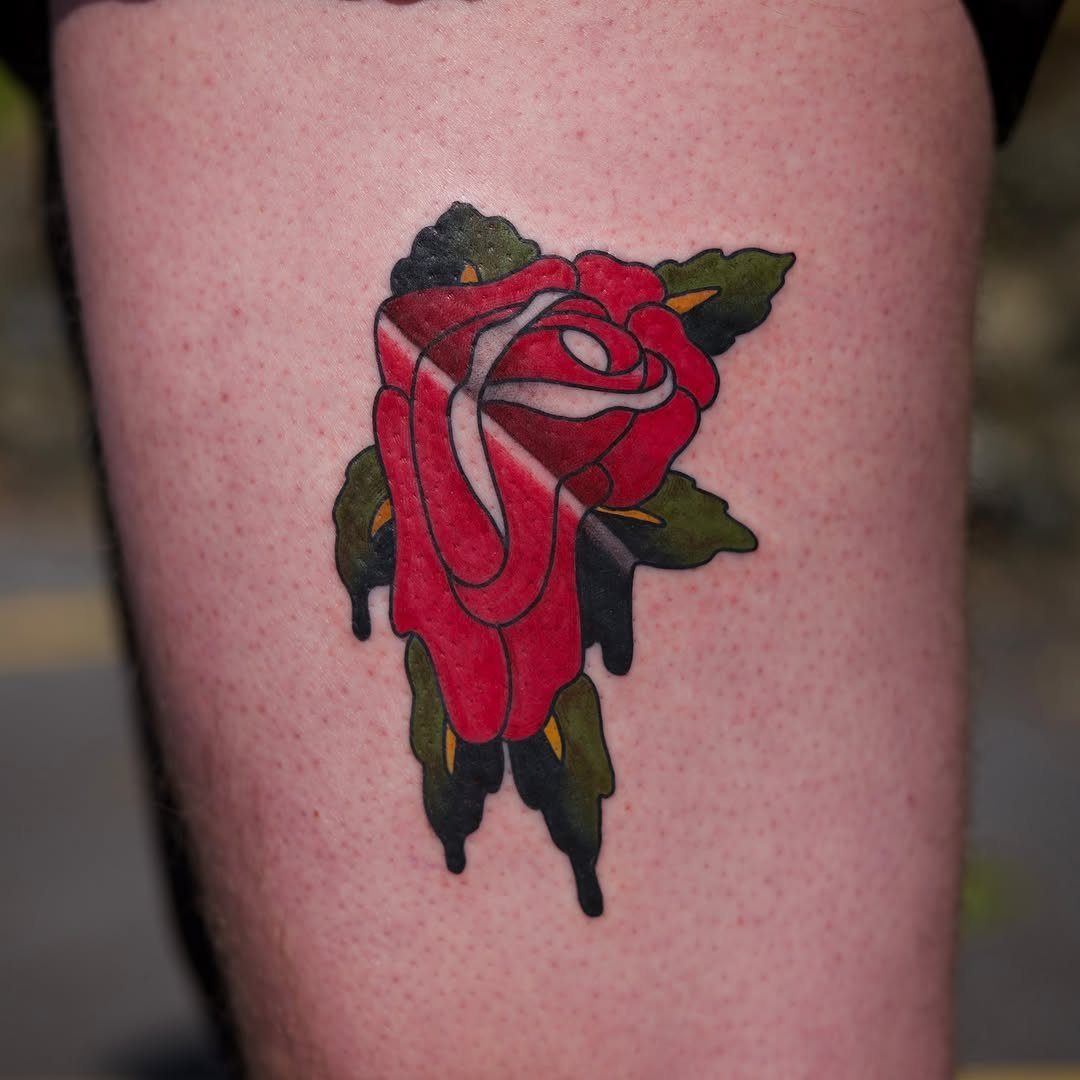
This is where a beginner meets the full stack: bold lines, basic shading, and color fills, all in one design. Black shadow drips, green leaves, and saturated red run traditional American style.
Start with the linework, then lay in the black, then the color.
The red in a traditional rose is not a soft wash; it is packed solid, and the leaves need their own green passes. The result is a piece that actually looks like a finished tattoo, not a study.

TATELF 1001RL cartridge needles feature #10 0.3mm ultra fine single round liner, tight round configuration delivers consistent ink flow with minimal skin trauma. Ideal for ultra-thin lines unavailable with 1005RL & 1203RL cartridges.

【Complete Wireless Tattoo Kit for Beginners】Designed for beginners, tattoo apprentices, and art students, this all-in-one tattoo kit includes a wireless tattoo pen, 1600mAh battery, 10 tattoo needles, 30ml black ink, and practice skin — everything you need to start tattooing safely and easily at home or in a studio.

7. Simple Ghost Tattoo
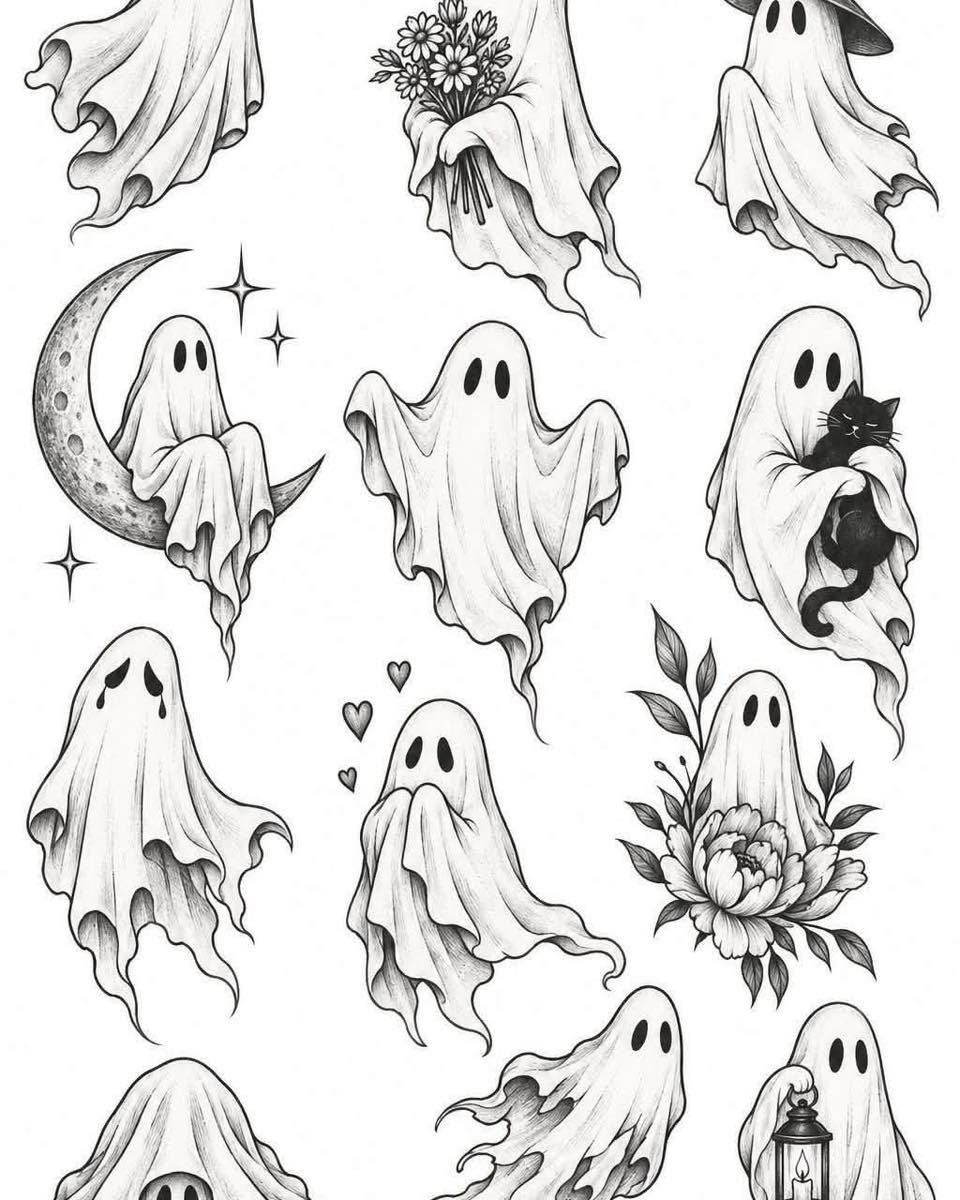
A ghost outline is forgiving in ways a rose or a heart is not.
The body is a single rounded shape with 2 arm holes; there is no symmetry to fight and no curve that has to land at an exact point.
The challenge is carrying one continuous outline all the way around without lifting the needle or leaving gaps. Practice that motion on artificial skin until your hand speed matches the voltage.
No shading means no gray wash setup, just black liner and a steady pass. I would draw the eyes and mouth with a lighter touch so they sit back from the body line.

Precision Transfers & Long Lasting: Tattoo stencil paper delivers vibrant, high-definition transfers even for intricate designs. Creates crisp, dark lines that transfer cleanly to skin (clearly on different skin tones) which are easy to follow during tattooing. The carbon layer made from high-quality dyes ensures sharp outlines without smudging or fading and maintains crisp lines visibility throughout long tattoo sessions, so you can focus on creating art instead of re-drawing lines

Precision Transfer Performance - It’s professional-grade tattoo stencil paper delivers vibrant, high-definition transfers even for intricate designs. The carbon layer ensures sharp outlines without smudging or fading, ensuring crisp lines that stay true to your original artwork.

Crystal Clear Transfer & Stable Stencil Effect : Our KVM transparent tattoo stencil film delivers sharp, clean printed lines. The pattern transfers perfectly onto skin, not easy to smudge or wipe off after application. It works great for intricate mandalas, skulls, portraits and line art.
8. Simple SpongeBob Tattoo
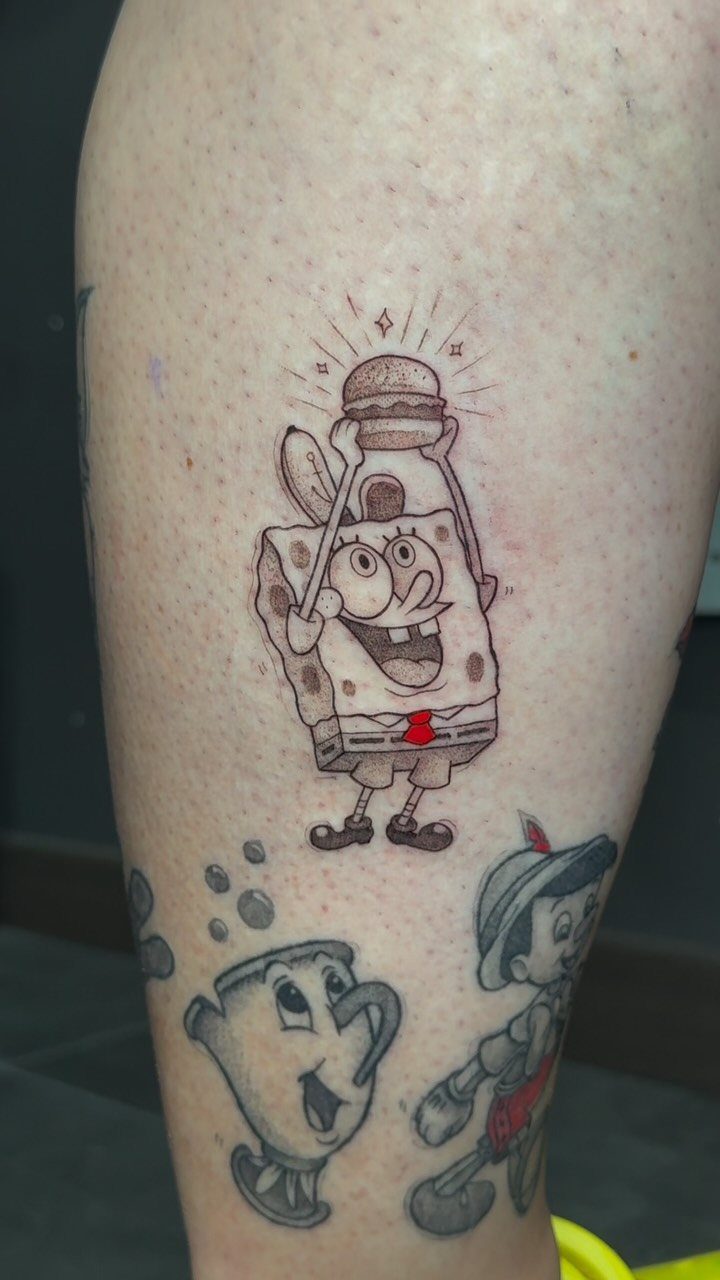
SpongeBob’s shape is a rectangle with wavy edges, which sounds simple until you try to keep those waves even. The photo skips the pore texture entirely; flat yellow fills and bold black outlines are the whole job.
This is where a beginner learns to pack color without overworking the skin. Load a mag shader for the yellow, keep your passes tight, and stop before the saturation looks muddy.
The burger in his hands adds 2 small shapes to trace, nothing more. I would practice the wavy outline on paper first; the rhythm of those curves is what makes him read as SpongeBob and not a generic sponge.

PRACTICE SKIN BOOK DESIGN – NO MORE LOOSE SHEETS Unlike ordinary loose fake skin sheets, NEDPAIN combines 10 silicone tattoo practice skins into a portable flip-book design with a durable hardcover and separator sheet. Stay organized, practice anywhere, and keep your designs neatly protected.


📏1mm Professional Grade - 10 sheets of 1mm thick synthetic skin with dermis-like texture, certified by tattoo artists for real needle feedback and ink absorption. Ideal for beginners to avoid mistakes on real clients.
9. Simple Patrick Star Tattoo
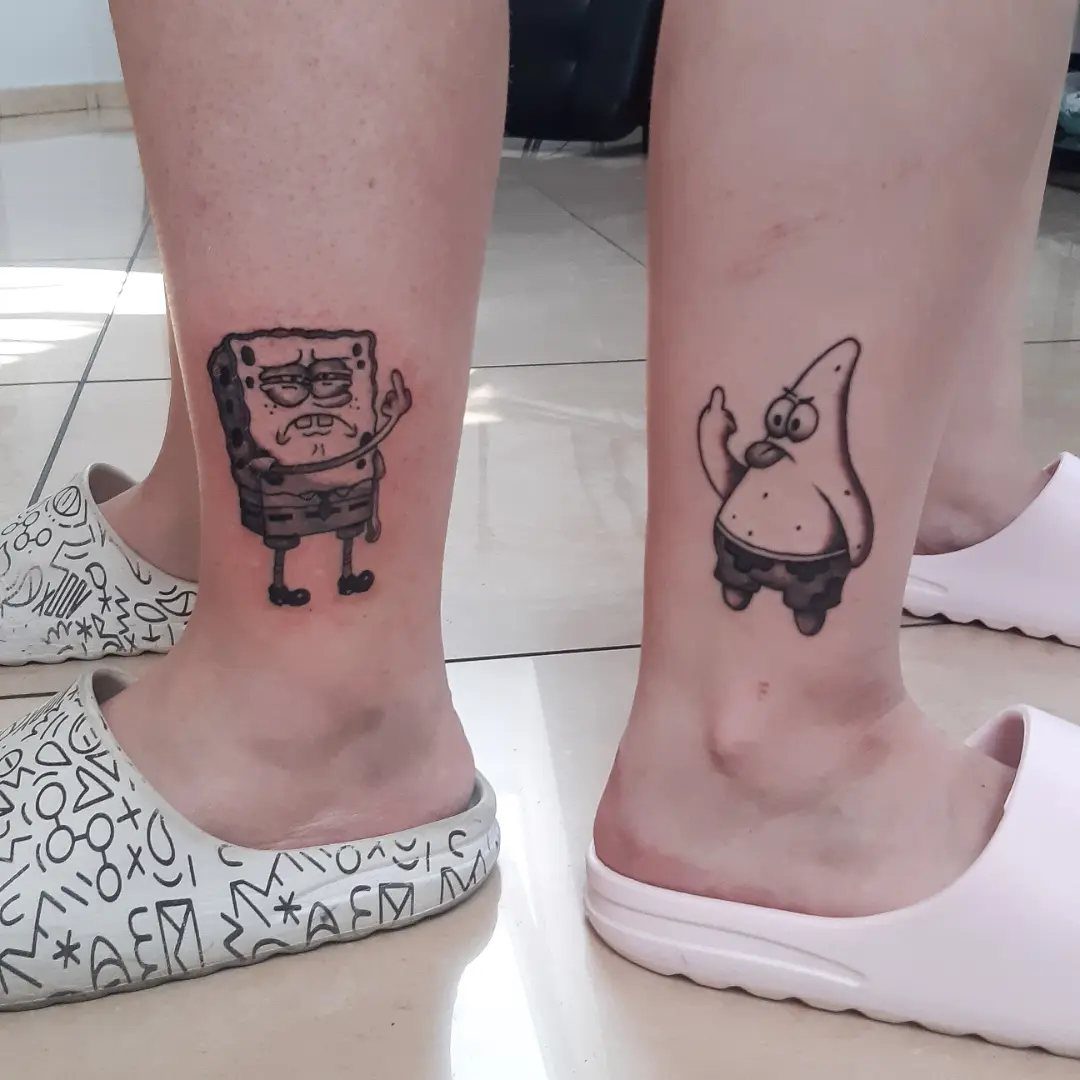
Patrick Star’s body is a cone with rounded corners, which means long straight-ish lines that meet at soft angles. The photo pairs him with SpongeBob, but the same ankle placement on its own is enough to learn from.
Line work comes first; color second.
Outline the full shape before you think about any color fill. The arms and legs are simple tubes, but gesture adds tilt, and tilt is where beginners drift off axis.
I would stencil him upright for the first attempt, then add attitude once the proportions hold. A single needle handles the outline; move to a shader only when the black is settled.
【304L Stainless Steel Long Taper Tip】Crafted with premium 304L stainless steel, the needle features an extended taper and finely polished tip that ensures smooth interaction with the skin. The long needle design enhances visibility during operation, allowing artists to easily focus on intricate details - whether creating hair-like eyebrow strokes, precise eyeliner lines, or delicate tattoo patterns—with consistent control over every movement.

Unique Visuals: Mast Heart tattoo needles cartridges feature vibrant, multi-color gradients thanks to advanced technology, making your tattoos stand out with stunning visuals.

Complete Package: 20 pcs 1201RL tattoo cartridge needles for Liner. Achieve various types of tattoo designs with these 1201RL standard cartridge needles.
10. Minimalist Dragon Tattoo Design
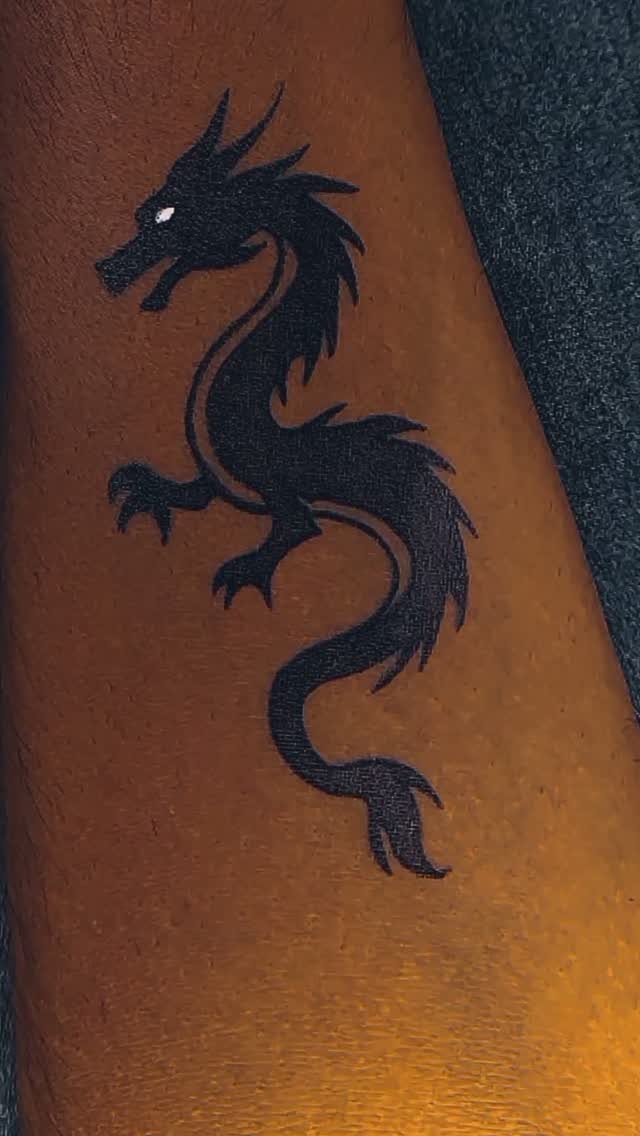
A dragon reduced to silhouette loses every scale and whisker, which is exactly what makes it reachable.
The body becomes one flowing ribbon of black, and the only detail is the negative space where the eye and the claw might sit.
The work is in the flow, not the finish. Map the full curve on paper until the head and tail feel like movement rather than decoration, then transfer to skin.
A round shader packs the black in passes light enough to avoid scabbing; solid saturation reads as depth here, not shading. I would keep the first attempts larger than a thumbnail; small silhouettes turn to blobs when the black bleeds.


Best of Rose Tattoo

Radiant Colors Mexican Rose is a vivid warm Mexican rose with a high pigment load that packs with intensity and heals with true saturation consistent vivid color from the first pass
11. Treble Clef and Star Drawing
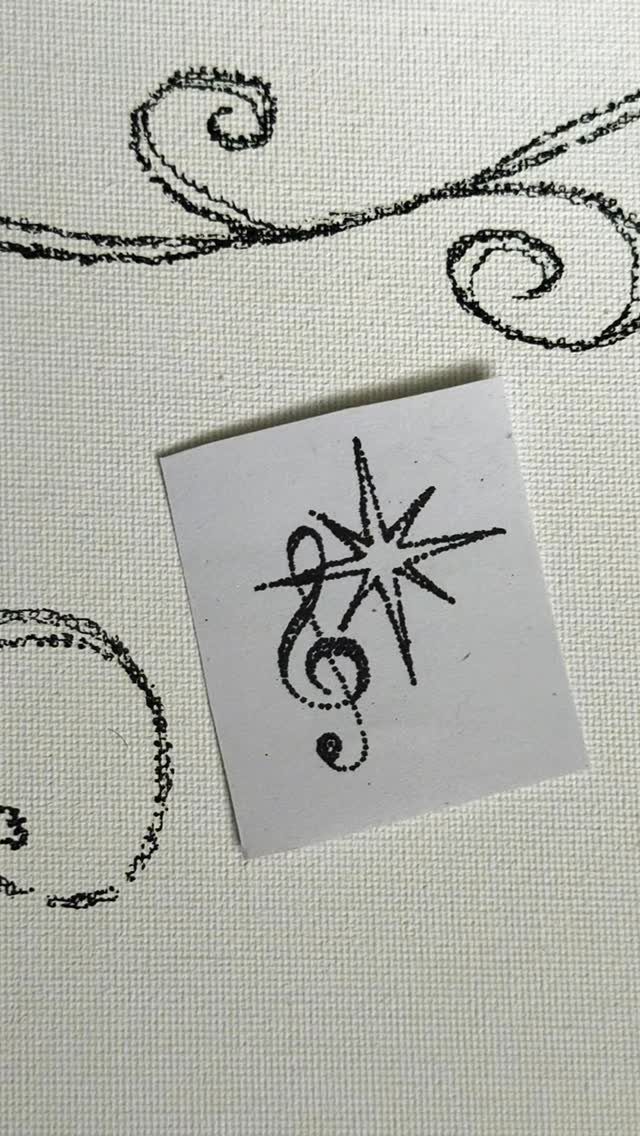
A treble clef and a star share one vocabulary: curves that cross and lines that end clean. This reads as a drawing on paper, but the same ink on skin works at wrist or behind-ear scale.
The clef loop is the harder shape; it has to stay open and even or it collapses into a knot.
The star sits inside or beside it, and its points must match or the whole piece tilts. Practice the clef alone until your hand remembers the motion, then add the star as a second pass.
No shading, no color change; one liner and one session. I would keep a spare stencil for the star in case the first placement throws off the balance.
12. Simple Tribal Sea Animal Flash
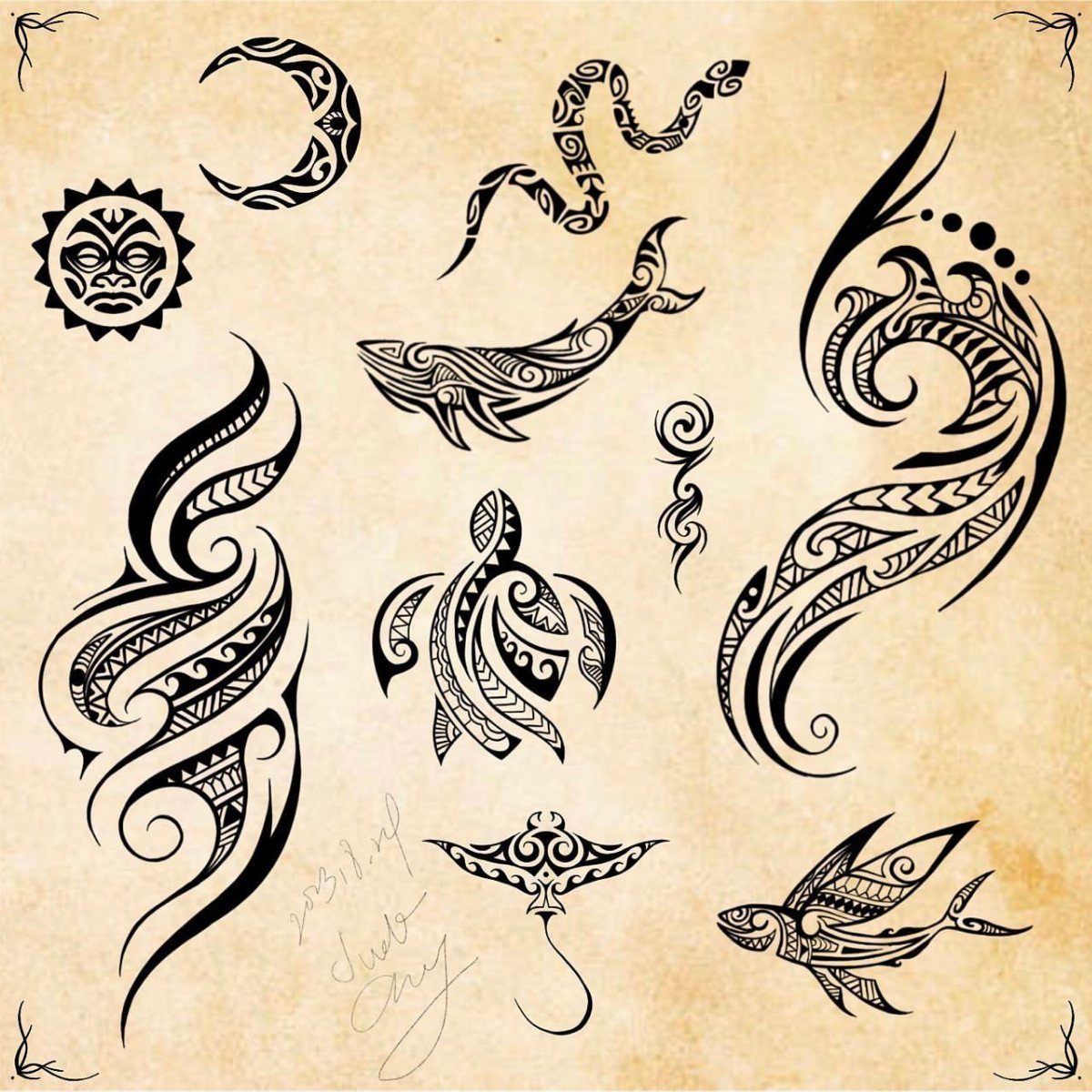
Tribal flash on a sheet lets you pick the animal that matches your confidence.
The turtle reads as shell curves; the whale reads as one long back arc with a tail fork. Each uses the same black vocabulary as the earlier tribal dragon, but with less body to cover.
The sun and moon sit at the edges as options for when the animal shapes feel too much.
Their simpler geometry, circles and rays, train the same hand control with fewer decisions. I would start with the crescent moon; 2 curves meeting at points, and nothing that has to look alive.
Practice Techniques for Beginners
Line drawing is the whole job on simple designs, and the muscle for it builds from boring repetition.
I run straight lines across practice skin until my hand stops shaking, then circles, then parallel lines spaced even by eye. The motion matters more than the result at first; speed and voltage come after the shape is predictable.
A heart, a ghost outline, the treble clef loop, all of them punish a wobble that shading might hide in busier work. I would spend 2 sessions on lines alone before touching any of the entries in the list.
Choosing the Right Practice Tools
Needle choice is where beginners overspend and overcomplicate. A 1201RL or 0801RL is what I reach for when the design is small or minimalist; those needles keep the detail readable at size.
Most of the designs here build on standard line work, which is where a 3RL earns its keep. These 2 configurations are enough for half the list; only the color pieces and the tribal blackwork ask for more.
I would not buy a full setup until I had worn out practice skins with just these.
The 5RS and 7RS come into play once the outline is solid, but that stage waits until the basics are down. One liner for detail, one for basic lines, and the discipline to stay with them.
Building Your Reputation
A clean simple piece beats a shaky complex one every time, and the portfolio should show that.
I would document every finished tattoo with consistent lighting and no filter, then price the first dozen lower than my target rate. The gap is the cost of a reference someone else can verify.
The ghost and sponge outline teach control that the rose with leaves later depends on; skipping ahead just means fixing mistakes at harder scale. Precision first, then expansion.
Frequently Asked Questions
What are the easiest tattoos for beginners?
Hearts, ghosts, treble clefs, and minimalist shapes like stars or moons are the easiest starting points. These designs rely on single-needle line work with no shading or color changes, which lets you focus on hand steadiness rather than technique stacking.
A ghost outline has no symmetry to fight, and a treble clef trains curves without demanding exact proportions.
What are some cool tattoos to draw?
The tribal dragon, minimalist silhouette dragon, and SpongeBob or Patrick Star designs carry enough personality to stand out while staying reachable.
Tribal work reads as movement when you follow muscle flow, and cartoon shapes teach color packing without pore-level detail. The rose without stem builds depth from line weight alone, which looks more technical than it is to execute.