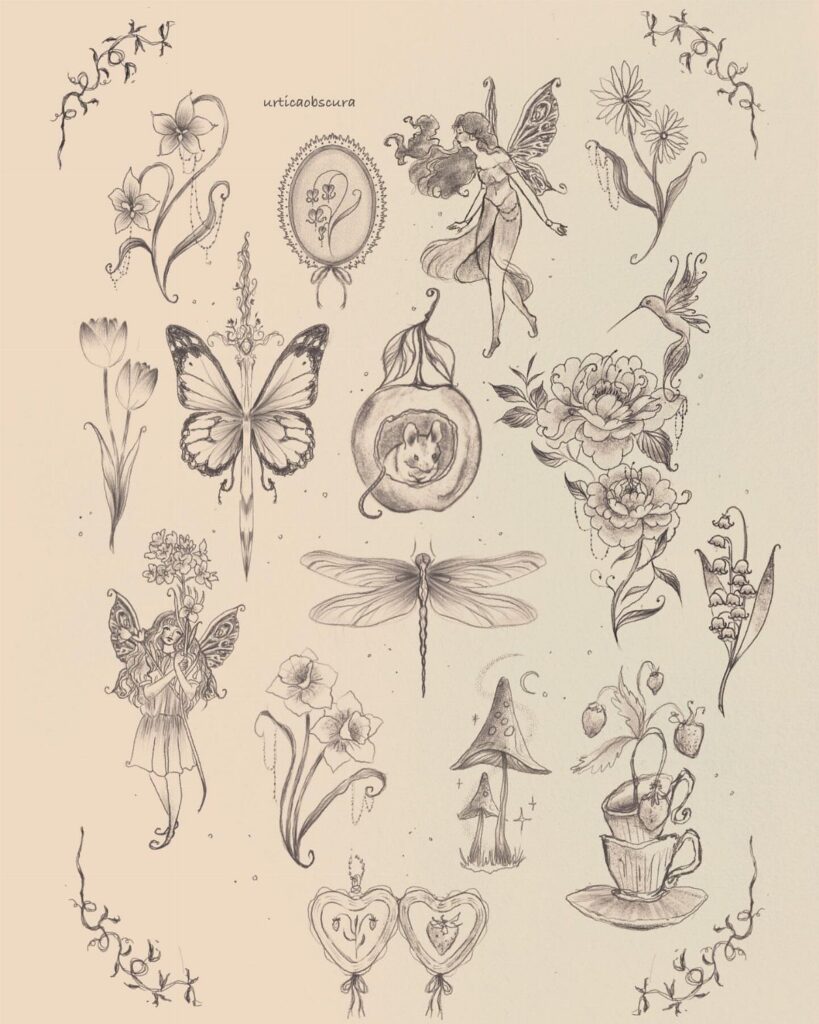
These 7 botanical tattoo designs range from a single-session fine line vine to a multi-sitting poppy sleeve, with the deciding factor being how much contrast you want against your skin tone and existing ink.
The canes of blackberry and raspberry threading through wildflower arrangements give you something still worth examining after the brighter petals have settled.
1. Colorful Wildflowers
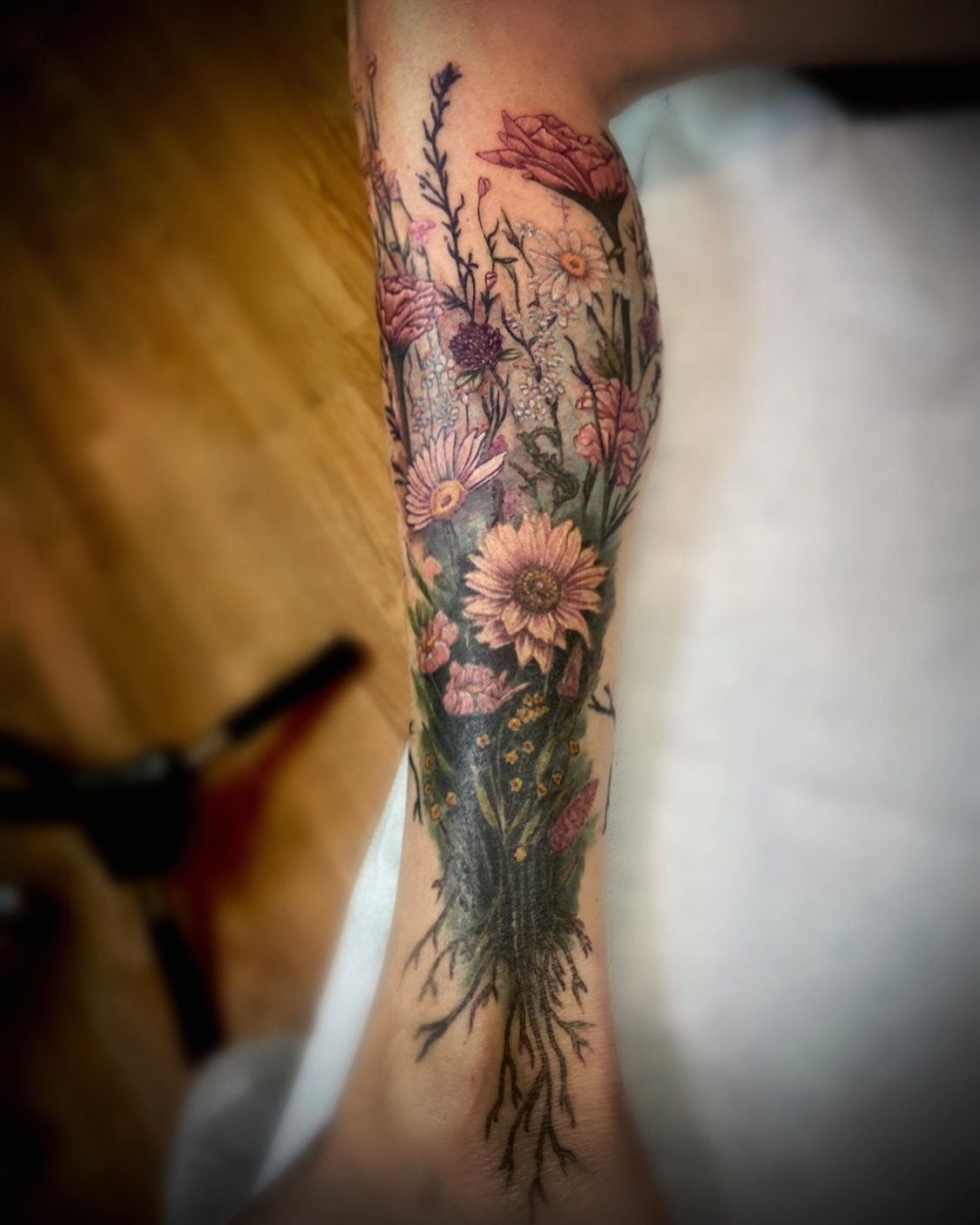
Wildflower arrangements with trailing vines give you the most color for a botanical piece that still reads as nature, not decoration.
Blackberry and raspberry canes winding through the stems add something worth closer inspection years later, when the bright petals have settled some.
The vertical flow down an arm or leg follows the body’s lines without fighting them. Roots extending toward the ankle or wrist ground the design in actual plant behavior, not just flower-shapes pasted on skin.
If you want this to last, the green vines need enough black underneath to keep them from going muddy. Ask your artist how they handle yellow and light pink over time; those are the first colors to disappear.

142+ Nature-Inspired Tattoos Stencil Designs in 12 Sheets: This temporay tattoo template set features over 142 unique, delicate designs centered on enchanting botanical and natural elements. Discover a vast collection of flowers (daisies, roses, sunflowers, lavender), intricate leaves, winding stems, complete bouquets, elegant wreaths, crowns, bees, and butterflies. Perfect for creating floral temporary tattoos, henna-inspired patterns, and nature-themed body art.

Premium Quality 1.5mm Silicone Material – Crafted from premium 1.5mm thick silicone, this tattoo skin offers a true-to-life feel with excellent durability and a smooth surface for effortless needle movement during practice.
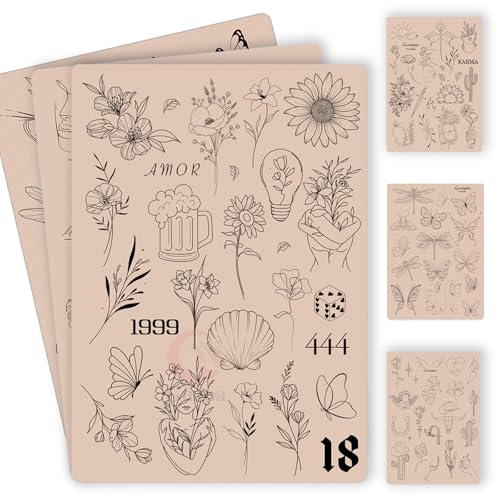
100+ Pre-Printed Designs – Features a wide variety of fine line and tiny tattoo stencils to enhance detailing skills.
2. Large Pink Protea
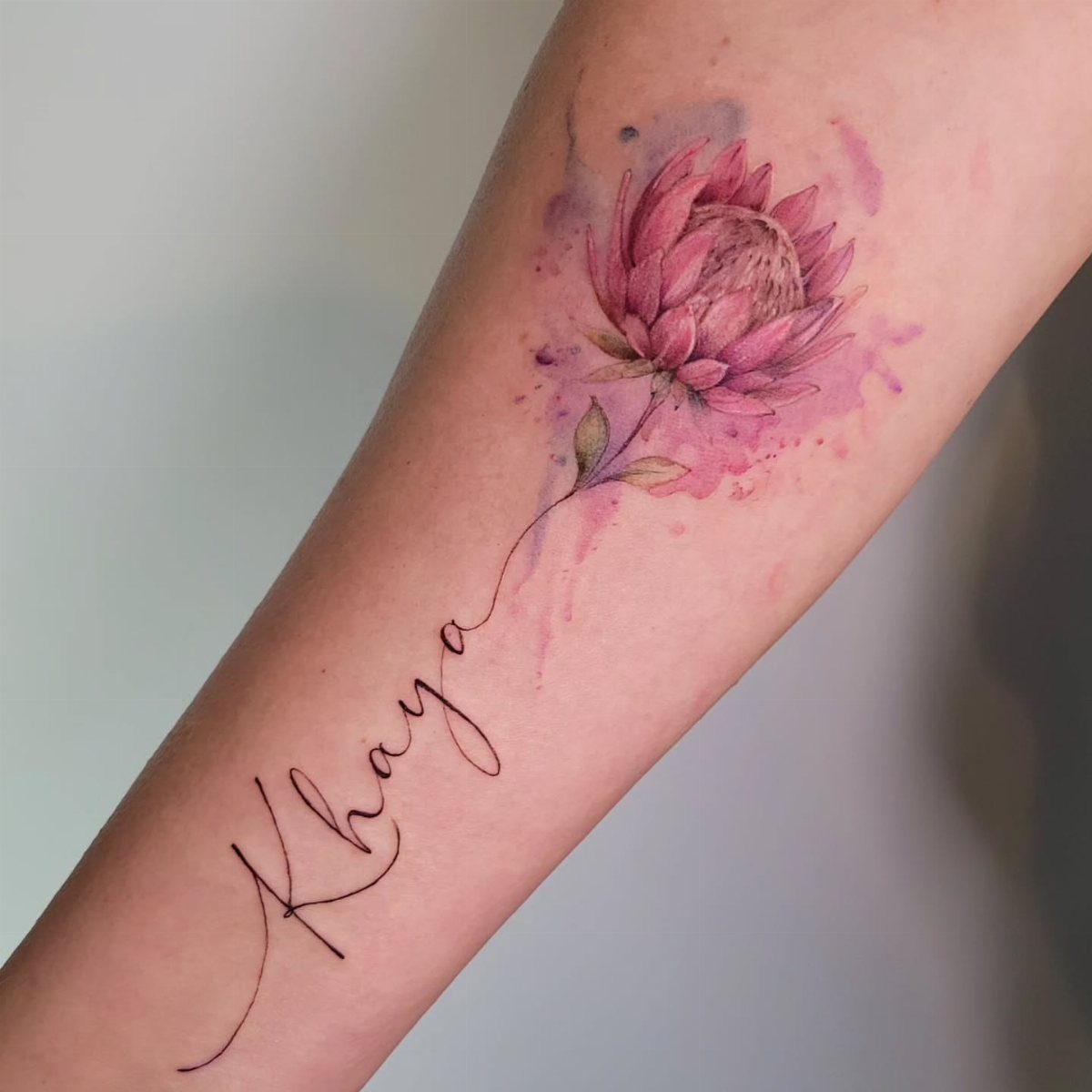
A protea carries weight that roses and peonies lost somewhere around the millionth Pinterest save. The flower is strange enough that people ask what it is, which starts a better conversation than "nice tattoo."
Watercolor splashes behind the bloom look fresh at first, then blur into something less intentional as the years pass.
The safer move is keeping the protea itself in solid color with defined edges, letting the stem do any flowing or lettering work.
Passionflower and banksia pair well because they share that same alien quality, ruffled and architectural at once.
A flowing composition across a thigh or ribs lets each flower breathe; stacking them vertically on a forearm works if you accept that only one will show at a time.
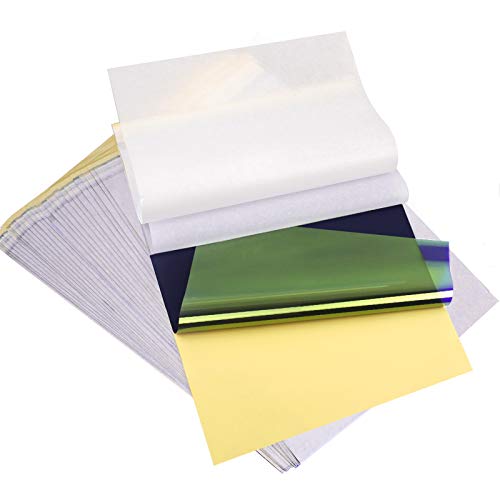
ADVANCED MATERIAL: Tattoo transfer paper is made with the high quality dyes and stencil paper. Transfer marks are very clear, clean and smooth. Tattoo transfer paper kit come with 35 sheets. Great for tattooing, trace and transfer images onto the body.<br>

Warm Tips: The tattoo transfer paper need to work with transfer medias.You will need to purchase the stencil ointment separately. Apply the design made on the master paper. Please pay attention to press the back side of the pattern to the skin for at least 3 seconds

4-layer Design: The 4-layer design ensures a crisp, clean transfer with sharp lines and fine details. Each layer has a specific function — such as holding the stencil ink, releasing it evenly, and protecting the tattoo paper during storage — which minimizes smudging, prevents distortion, and makes application easier on different skin surfaces.
3. Red Rose and Peony
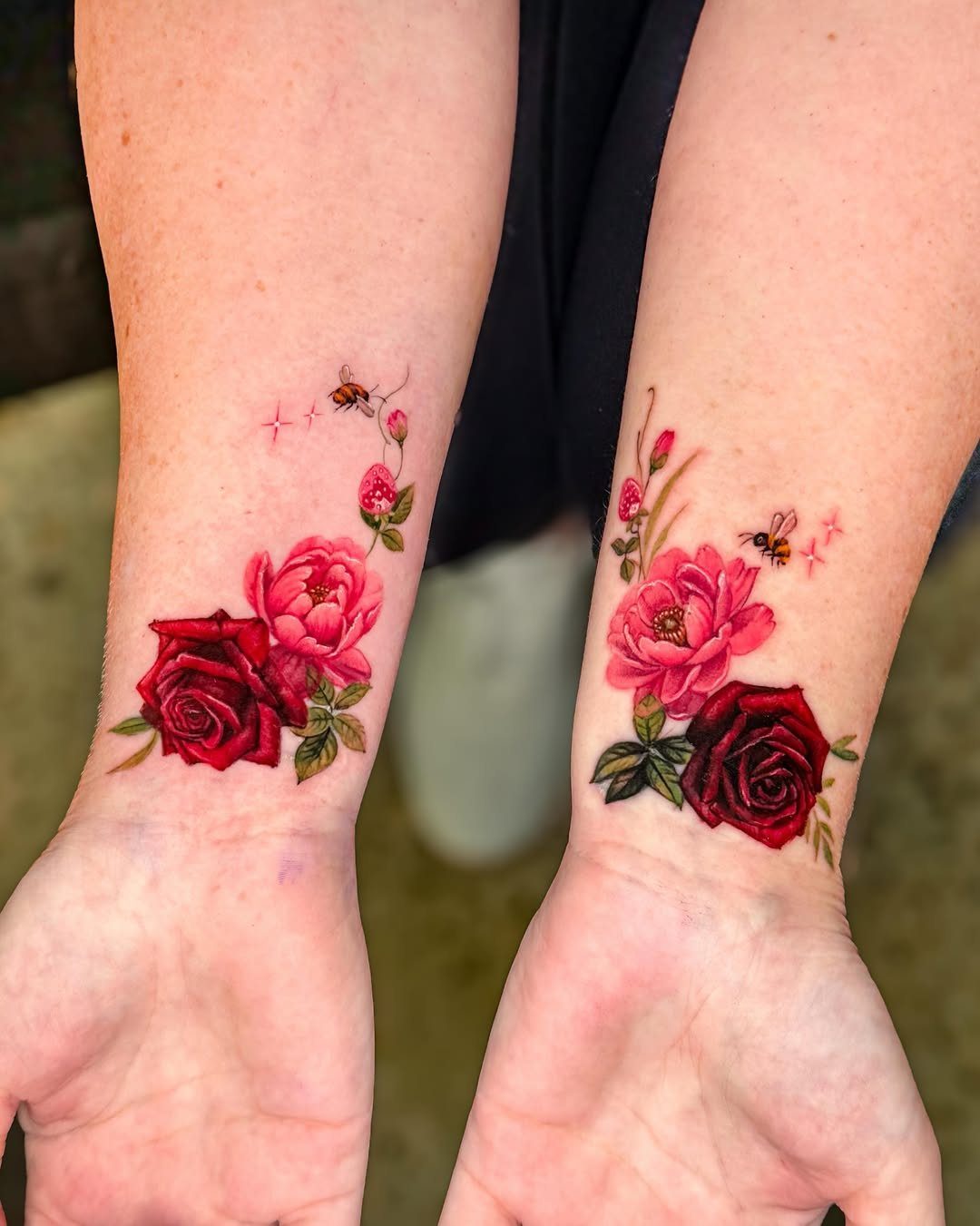
Matching inner wrists with roses and peonies make sense for couples or siblings who want linked but not identical pieces.
The strawberries and bees are what separate this from every other floral set; without them, you are looking at a very standard combination.
Color realism on wrists heals hard. The skin moves constantly, the sun hits directly, and the space is small enough that detail competes with itself.
Budget for a touch-up before the first year is out, and plan the design with some extra room around each element so the colors do not bleed together.
Dahlia and blueberry additions work best when they are sized down and placed as accents, not competing flowers. The eye should travel to the rose and peony first.

Quantity: 12 large Sheets and 13 small sheets removable temporary tattoo stickers, all different and unique floral desgins. Nature aesthetic fake tattoos with spring summer wild vibes.

🐤【15 Sheets in One Package】Distinctive Design Brand FANRUI Temporary Tattoos For Women Kids Girls Adults Teens Lovers Boys Baby Teens Child Daughter Son Children Tattoo Paper 3D DIY Custom Tatoos Cover Body Art Drawings Painting Sets.

🌼【VARIETY OF POPULAR PATTERNS】Package Includes 23 Sheets HIGH QUALITY Creative Unique Design Mixed Style Realistic Flowers Temporary Tattoos For Women Adults Including 12 Sheets Large 7.8"x3.7" Inches/19.8x9.6cm Half Arm Sleeve Tattoo Stickers For Thigh Leg and 11 Sheets 3.86"x2.28 Inches/9.8x5.8cm Small Fake Tattoos For Finger Hand Hot Fashion Popular.
4. Fine Line Botanical Leafy Vines
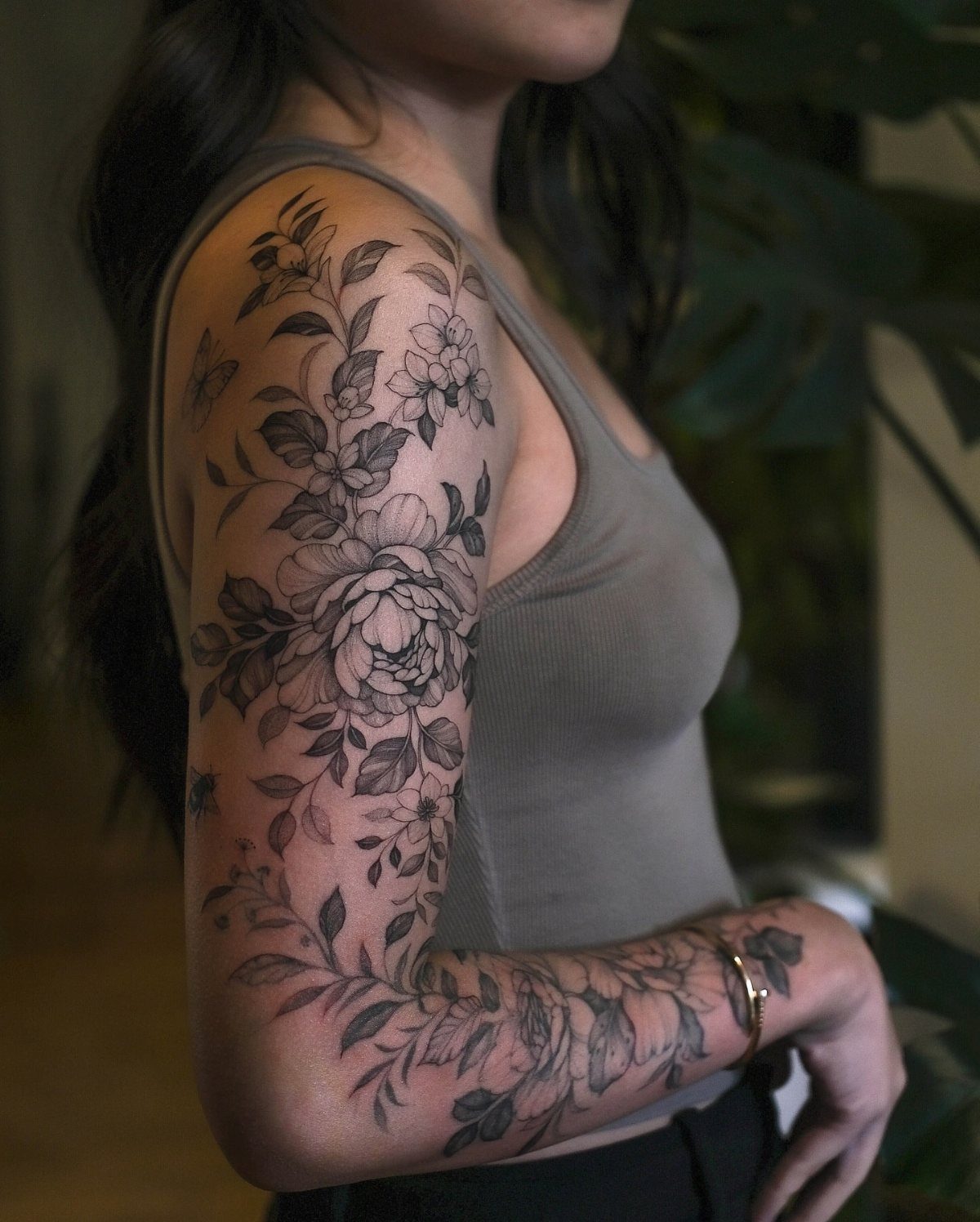
Fine line vine work wraps around the arm the way actual plants grow, finding paths along muscle and bone instead of crossing them.
The black and grey approach here keeps the detail readable as it ages; color in fine line tends to fall out faster than the black.
Slender leafy vines trailing from the wrist toward the hand extend the tattoo into motion, visible when you reach for something or gesture.
That placement also means constant sun and friction, so the linework needs to be simple enough that losing a detail or 2 does not break the design.
A full sleeve built this way takes multiple sessions, the hours adding up fast depending on how dense the vine work gets.
Plan the negative space carefully; solid black fill ages better than stippling or grey wash in the long gaps between vines.

FUN TATTOOS - Enjoy this fun sheet of temporary tattoos that can be applied on skin or used as a waterslide decal on a variety of surfaces. Temporary tattoos are great for...
5. Vintage Botanical Designs
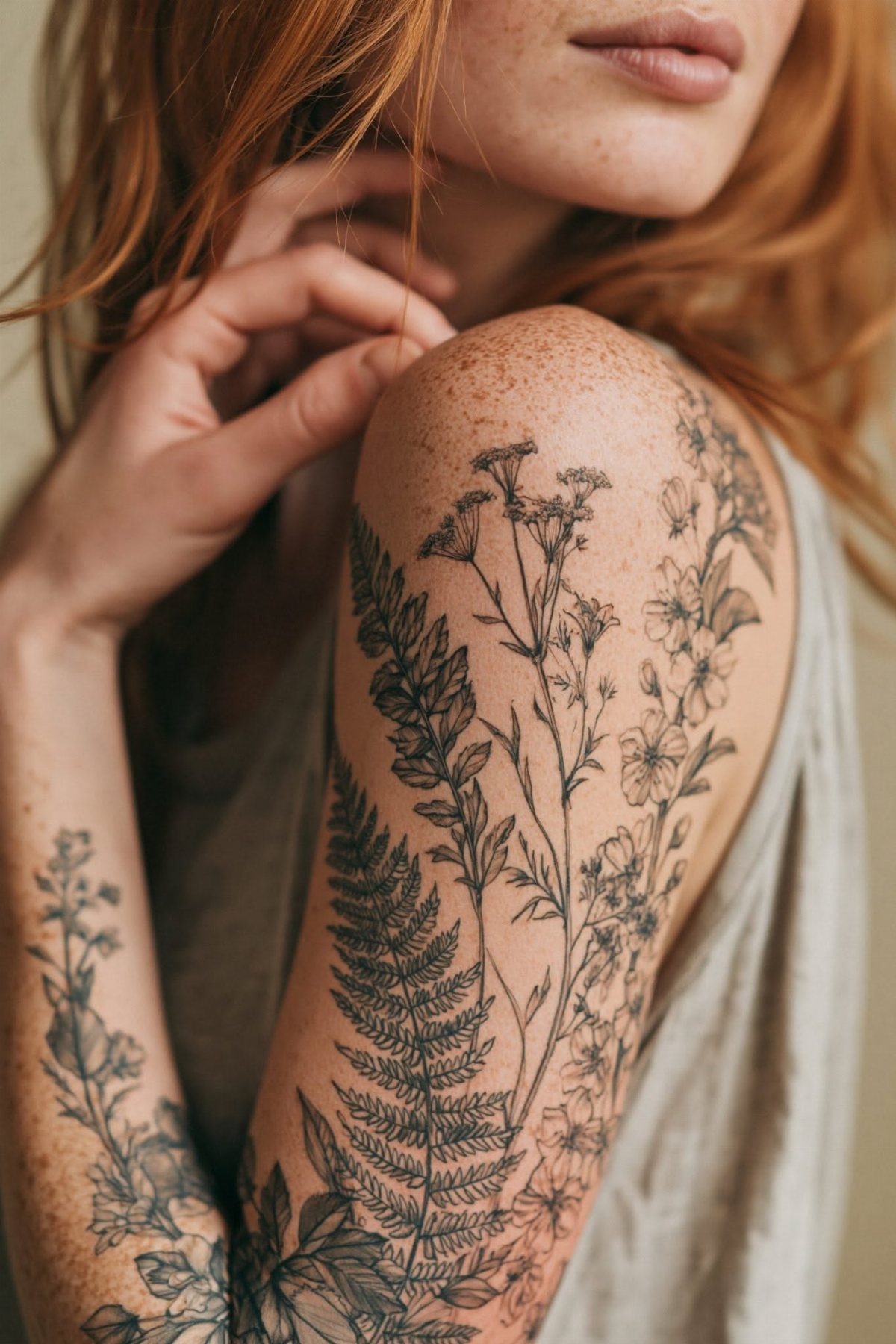
Victorian botanical illustration style gives you the structure of science with the mood of something hand-colored in a quiet room.
Fern fronds and small berries carry that reference clearly without needing a textbook layout; the wildflowers keep it from feeling too preserved.
The fine line technique here is unforgiving.
Lines that look delicate on paper can blow out on skin if the artist works too deep or too fast. Ask to see healed photos, not just fresh work, and look for consistent weight in the stems and fronds.
Wing lines from a butterfly or moth add movement that pure flora sometimes lacks.
Placed across shoulder to arm, the composition follows a natural drape; on a flatter area like ribs or thigh, the Victorian framing helps hold the arrangement together.

2Pcs Poppy Flower Pattern Stencils: 6 various styles can meet your different needs, well made and fun to create craft projects for families and friends, offers endless possibilities for transforming your home decor

🌹【Package Includes】40 flower stencils, each with a different pattern style, including 20 3×6-inch and 20 4.7×6-inch formats that are easy to line up on small crafts or larger decor. A practical set for kids activities, classrooms, scrapbooks, signs, and everyday craft time.

PROFESSIONAL-GRADE STENCILS FOR ARTISTIC PRECISION – Elevate your DIY projects with this premium set of 18 stencils. Each sheet features intricate botanical and wildflower patterns, laser-cut for ultra-sharp edges. Designed for professional artists and home decor enthusiasts, these templates ensure a clean, sophisticated finish on any creative masterpiece without the risk of paint bleed.
6. Dark Botanical Tattoos with Orchids
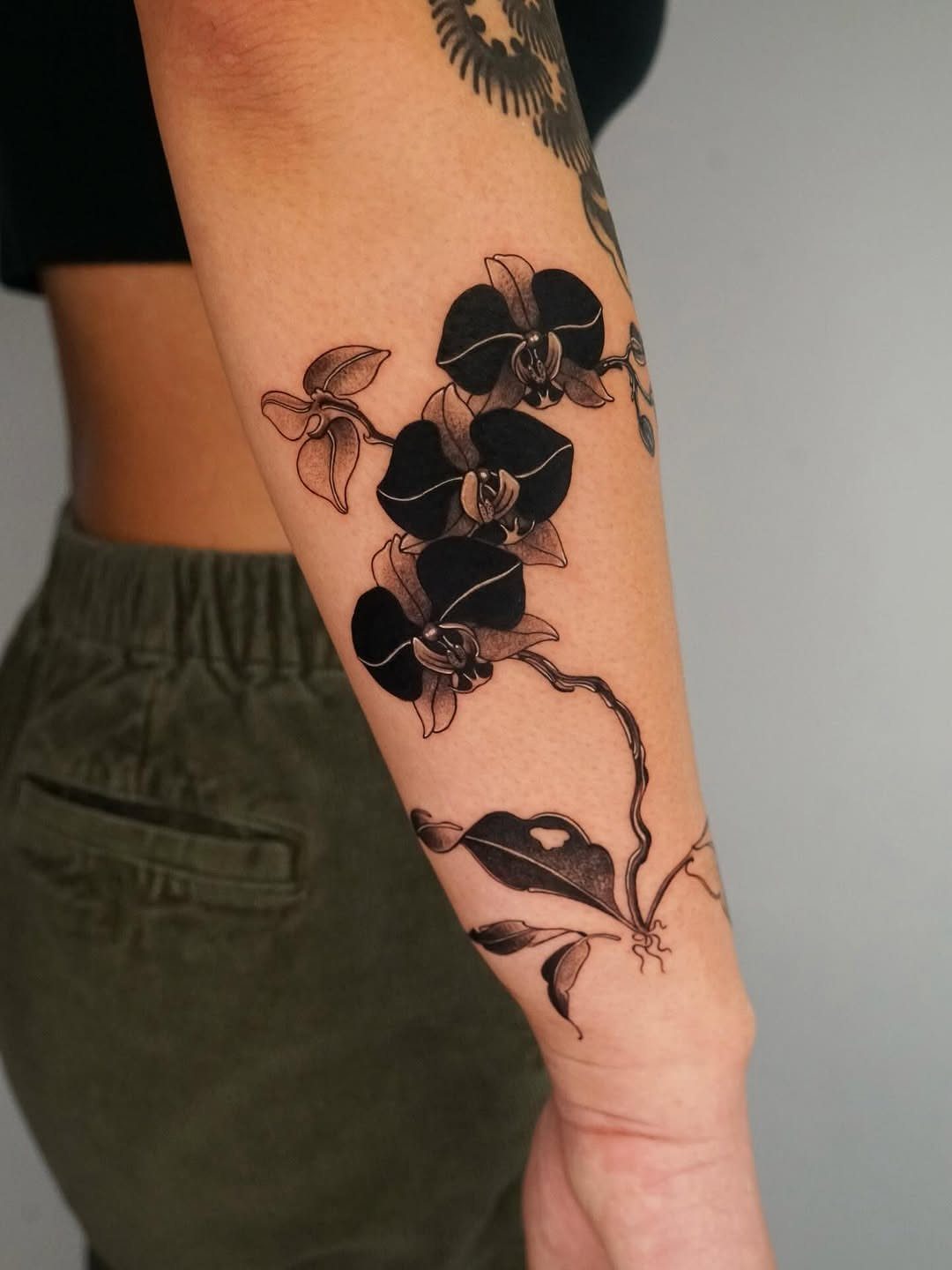
Dark botanical work with orchids trades the usual floral sweetness for something that reads closer to film noir than garden party.
The exposed roots are the telling detail; most flower tattoos stop at the stem, but orchids in nature hang on by threads, and that tension carries.
Neo-tribal styling here means high contrast and sharp edges, not the softer shading of traditional botanical pieces.
Thorny vines and ivy add narrative weight, suggesting the flower is surviving something. Fern-like leaves soften the frame just enough to keep the whole thing from going harsh.
Black and grey heals more predictably than color in this density, but the heavy saturation means longer sessions and more aftercare discipline.
The result suits someone who wants their botanical reference recognized from across a room, not discovered on close inspection.


High Quality Materials: the tattoo skin is make of high-quality silicone, offers the best protection for your tattoo machine and ensure a smooth tattooing experience. 3mm thickness texture mimics real skin for a realistic practice session.

7. Floral Sleeve Tattoo with Poppies
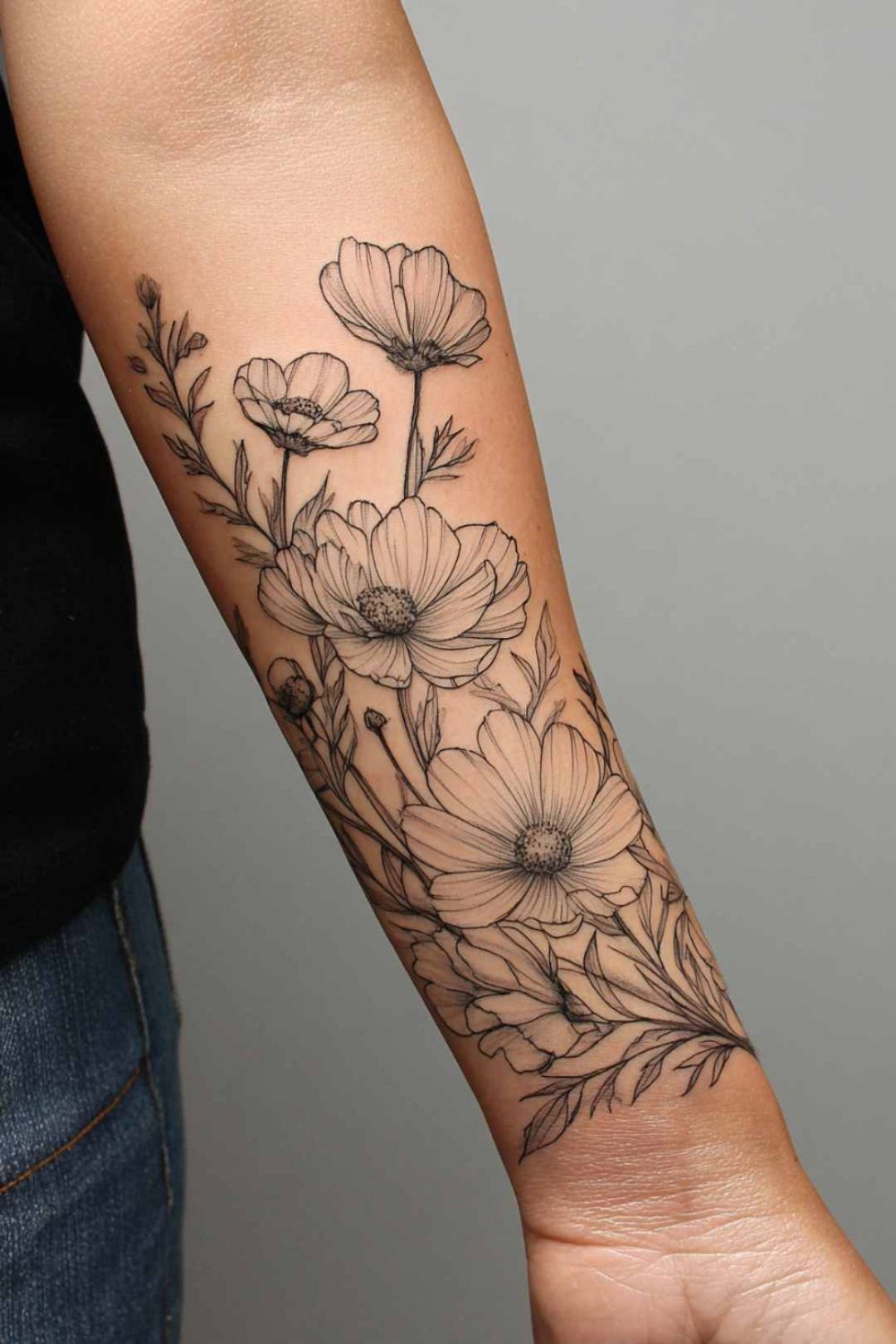
Poppies carry a particular heat that daisies and lavender soften without cooling. The bold blooms draw the eye first, then the softer grey tones settle in as the surrounding garden, not competition.
A continuous wrap from inner forearm toward the wrist uses the arm’s natural cylinder the way a vine uses a trellis.
The leaves and stems keep moving even when the hand is still, which matters for a sleeve that shows in ordinary gestures.
Fine line work this extensive needs black ink with enough weight to hold as the skin ages.
Color here would mean more sessions and a trickier heal; the black and grey approach trades immediate impact for clarity years down the line. Budget for multiple sittings, the hours stacking up as the density increases toward the wrist.
This suits someone who wants the botanical reference clear from a distance and the detail rewarding up close. The poppies do the shouting; everything else is conversation.

PACKAGE INCLUDING - Tattoo stencil paper kit including 50 sheets stencil paper for tattooing. 8.3 x 11.7 inches, A4 size. Professional transfer papers for tattoo or stencil use, can help professional tattoo artist transfer tattoo design on skin, with good transferring effect.

Great Value Kit: Cridoz tattoo transfer paper kit come with 50 sheets tattoo stencil paper, great for tattooing, trace & transfer images onto the body. Warm Tips: The tattoo transfer paper need to work with transfer medias. You will need to purchase the stencil ointment separately

Package Includes: 3 sheets of rub on transfer stickers and 1 scraper tool. Each sheet can be used individually or combined freely, bringing diverse decorative ideas to your DIY projects