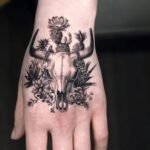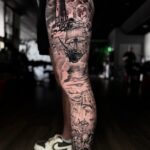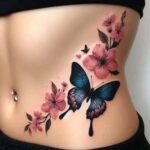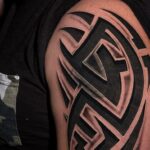
Tattoo style stencils range from flash-sheet fundamentals like skulls and roses to elaborate Japanese koi compositions stretching across ribs or thighs.
The right choice depends on whether you want a standalone piece or something that must bend with a joint and still read clean.
Geometric patterns below half an inch tend to grey out once inked, so scale matters more at the stencil stage than most clients expect.
1. Skull Tattoo Stencil
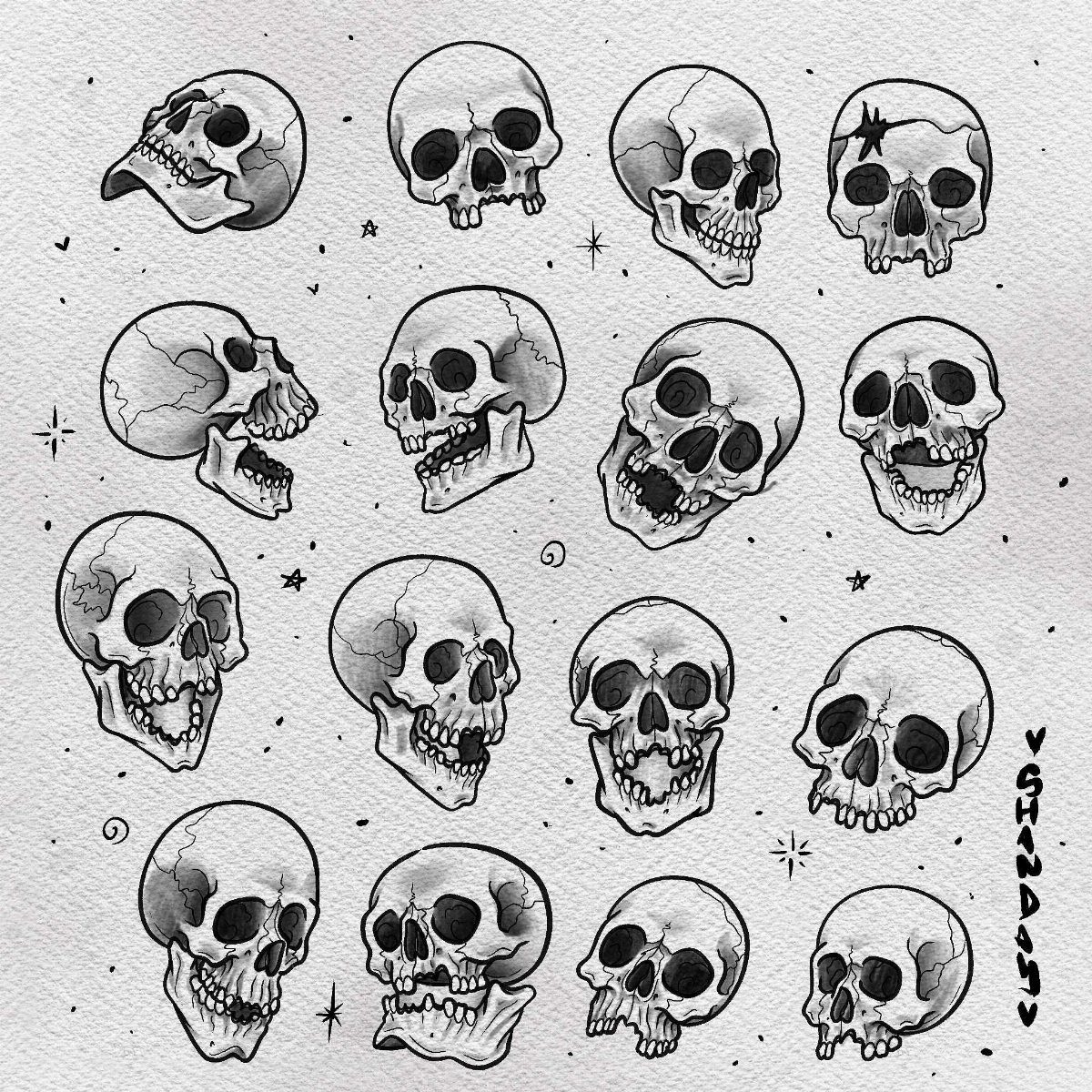
A skull stencil gives you instant structure: the negative space around eye sockets and teeth does half the composition work before ink touches skin.
What I like about the sheet style is having enough angles to actually compare how a skull reads from the front versus three-quarter view before you commit.
A forward-facing skull reads aggressive; three-quarter view softens into something more wearable on a shoulder or thigh. The honeycomb background some artists pair with it adds depth without cluttering the line work.
Black and grey holds up better than color on bone-heavy designs. If you want the rose-and-petal version, ask your artist to keep the skull dominant; too much flowing detail around the edges turns a bold piece into wallpaper.

What You Will Get: The package comes with 3 sheets of Halloween temporary tattoos, including 2 pairs face tattoos, and 2 pieces bones temporary tattoos, sufficient quantity for two people to use. Simply apply the tattoos to your face, neck, or arms for an instantly chilling appearance.

153 PCS Halloween Face Paint Stencil Set: Featuring 12 sheets (4 unique spooky colors with 3 sheets each), totaling 153 intricate designs. Dive into the spirit of the season with a massive variety of Halloween icons including Jack-o'-lanterns, wicked witches, spooky skeletons, crawling spiders, bats, ghosts, haunted castles, evil eyes, and more. With so many options, you'll have the perfect pattern for every eerie look and creative idea

2. Dragon Tattoo Stencil
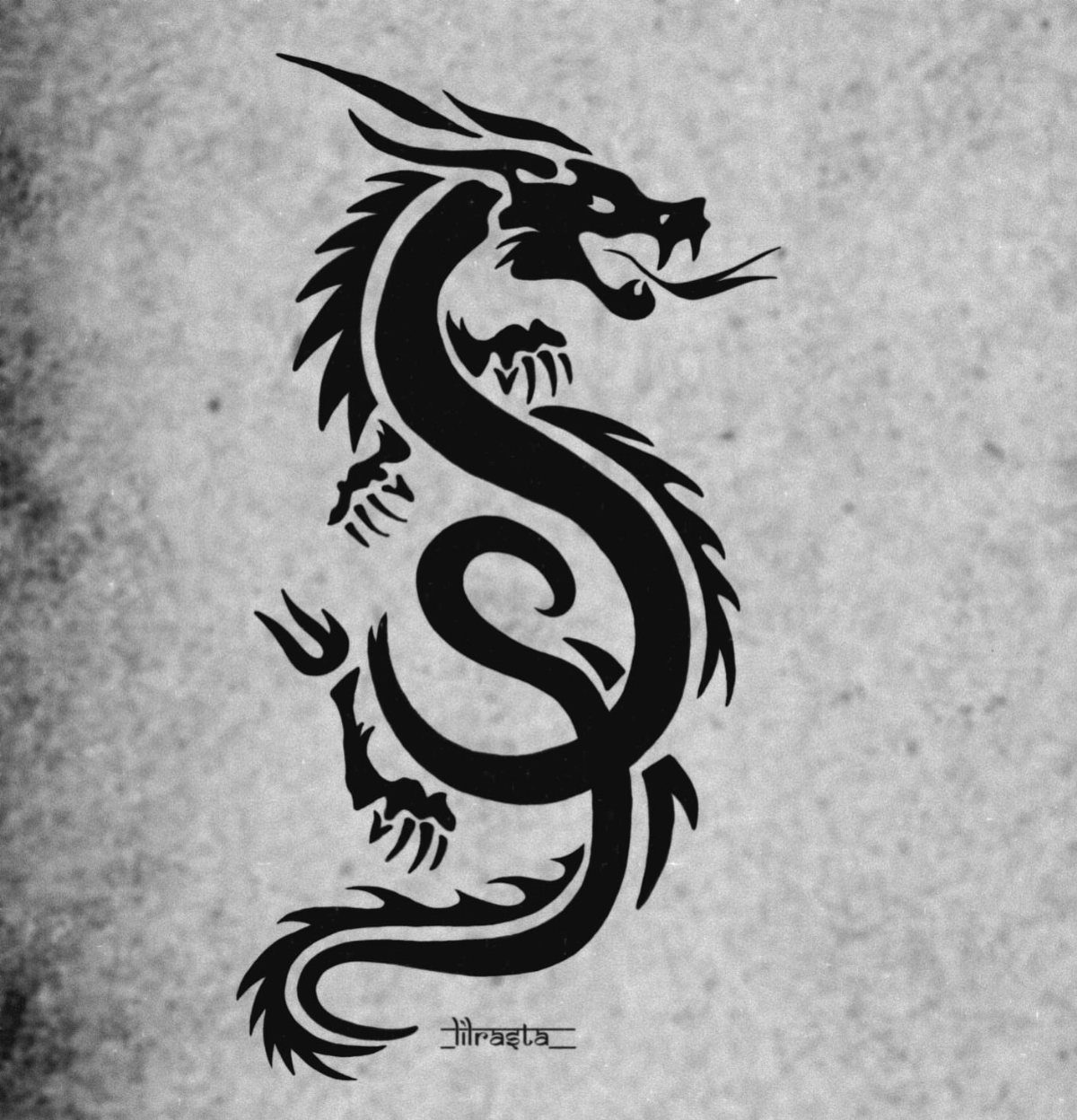
Tribal dragon stencils trace back to Polynesian and Southeast Asian knotwork, but the serpentine S-curl reads more modern street shop than ancient.
The form matters more than the scale pattern. A dragon coiled tight fits a forearm or calf; stretched long, it needs a back or ribs to read properly.
The peony-and-geometric variation I have seen adds weight; the floral softens the creature’s aggression, which some clients want and others do not.
Red ink on the stencil preview shows where bloodline or highlight will sit. Ask about that before the transfer goes on; once the purple carbon lifts, you are committed to the flow.

32 Bold Animal Tribal Patterns – 4 large A4 sheets featuring Dragons, Wolves, Scorpions, Lions, and more, for a strong, edgy look with professional-quality stencils.

VARIETY PACK: Set includes 12 unique tribal dragon designs in bold black ink, offering diverse artistic styles from fierce to elegant interpretations

10 Extra-Large Tribal Animal Designs – 5 jumbo A4 sheets featuring Tiger, Dragon, Wolf, Eagle, and Scorpion patterns, perfectly sized for arms, back, chest, or thigh.
3. Rose Tattoo Stencil
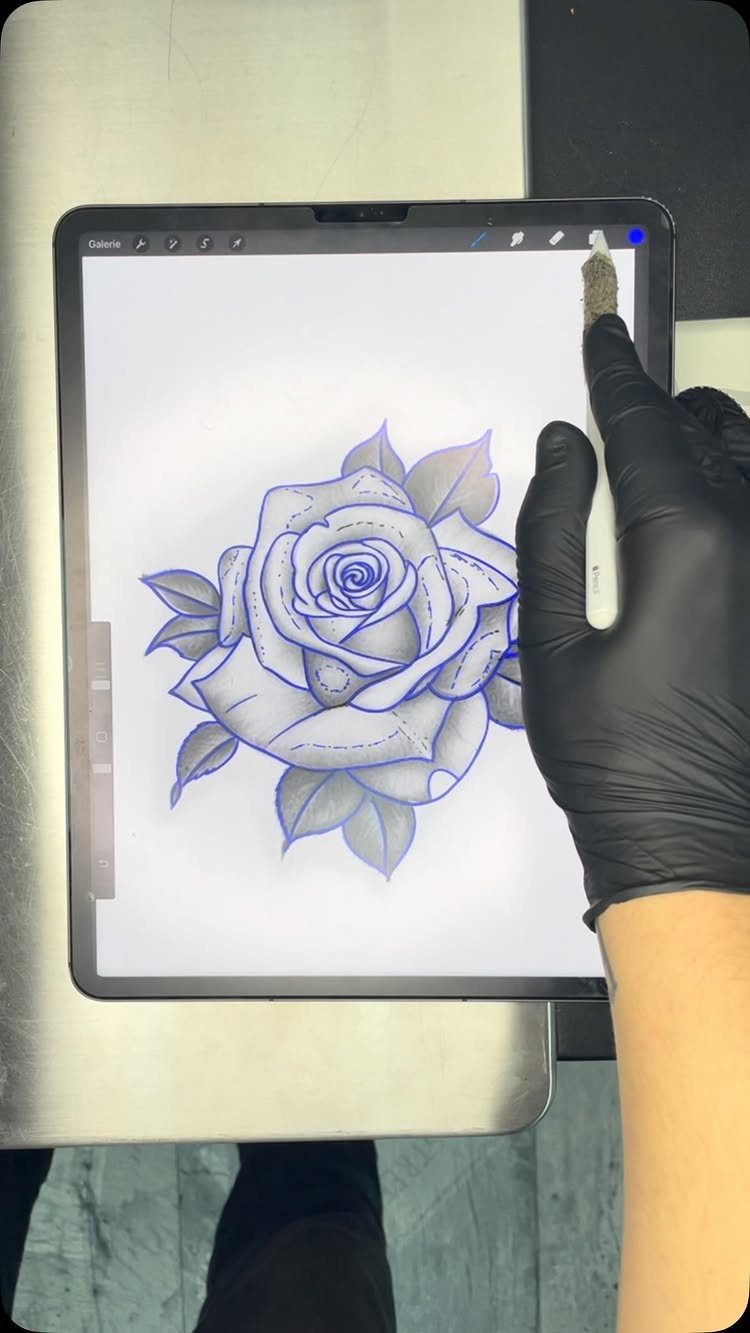
Digital rose stencils let an artist adjust petal overlap in real time, which matters because a rose that reads open from one angle can look collapsed from another.
Fine line stems demand clean skin.
If you heal rough or keloid, the detail in those leaves will blur faster than you think. A bolder black version trades delicacy for longevity, and on a first tattoo that trade is worth considering.
Placement changes the meaning more than people admit.
Back of shoulder reads romantic; inner forearm, memorial. Same flower, different conversation.
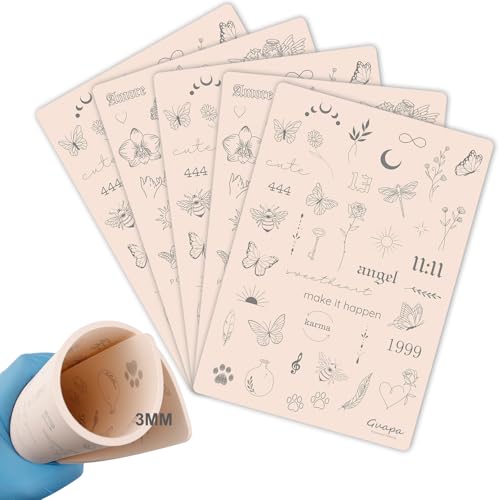
3MM Tiny Tattoo Practice skin Made from high-quality materials, it is closely mimic the texture and feel of real human skin. This gives you a realistic experience, allowing you to refine your skills before working on actual clients
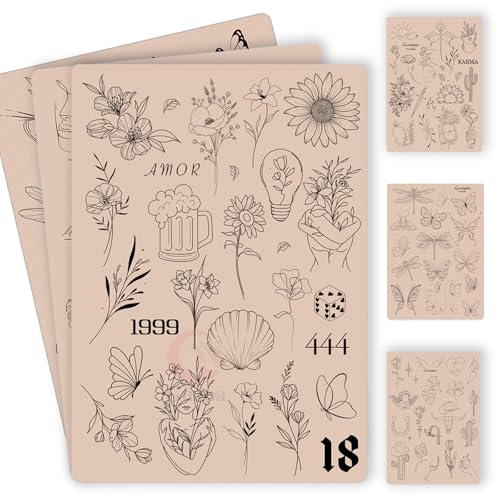
100+ Pre-Printed Designs – Features a wide variety of fine line and tiny tattoo stencils to enhance detailing skills.

Premium Quality 1.5mm Silicone Material – Crafted from premium 1.5mm thick silicone, this tattoo skin offers a true-to-life feel with excellent durability and a smooth surface for effortless needle movement during practice.
4. Chicano Style Woman Tattoo Stencil
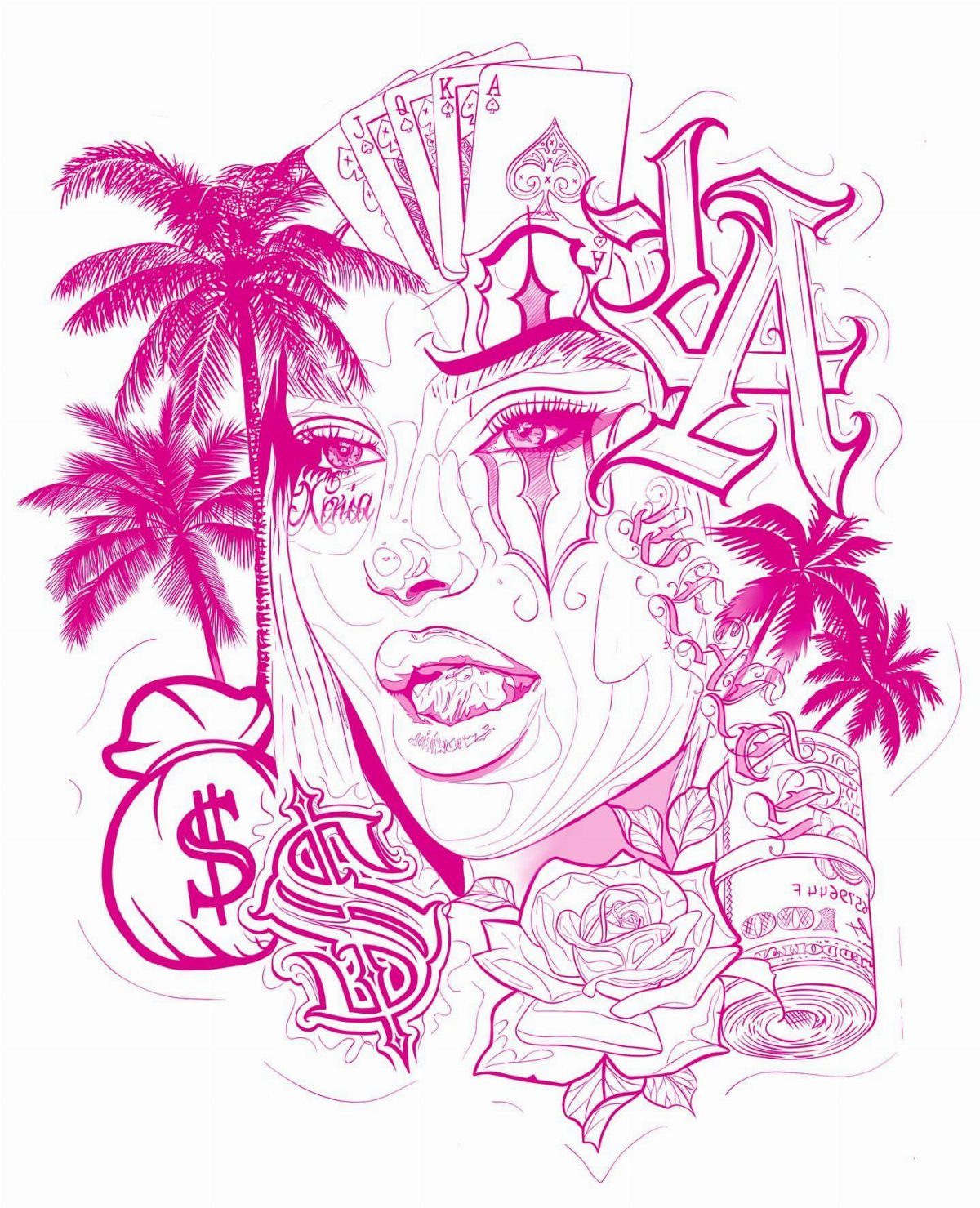
Chicano tattoo stencils carry specific code: the clown face, the playing cards, the palm trees and street lettering all signal Los Angeles street culture from decades back.
The woman at center is usually a figure from the wearer’s life or a type: the Madonna, the mourner, the street survivor.
Pink line work on the stencil separates fill from outline for the artist; do not expect that color in the final piece unless you ask.
Black and grey is traditional for this style, with red used sparingly for lips or a single rose.
Face stripes or designer pattern headscarves personalize the template. Bring reference photos if you want the likeness specific; the stencil adapts, but the artist needs the source material to adapt from.

REUSABLD VARIETY OF OPTIONS - This set of temporary tattoo stencil includes 123 different patterns for adult,male. Scorpion tiger dragon cow eagle skeleton Tribal Symbols geometric design etc patterns in 20 pages A4 size, Almost unlimited creative combinations and options to meet your every need.


6 Large Realistic Koi Fish Sheets – Bold, detailed koi fish designs give you a striking, lifelike body art collection in one set.
5. Traditional Style Dagger and Rose Tattoo Stencil
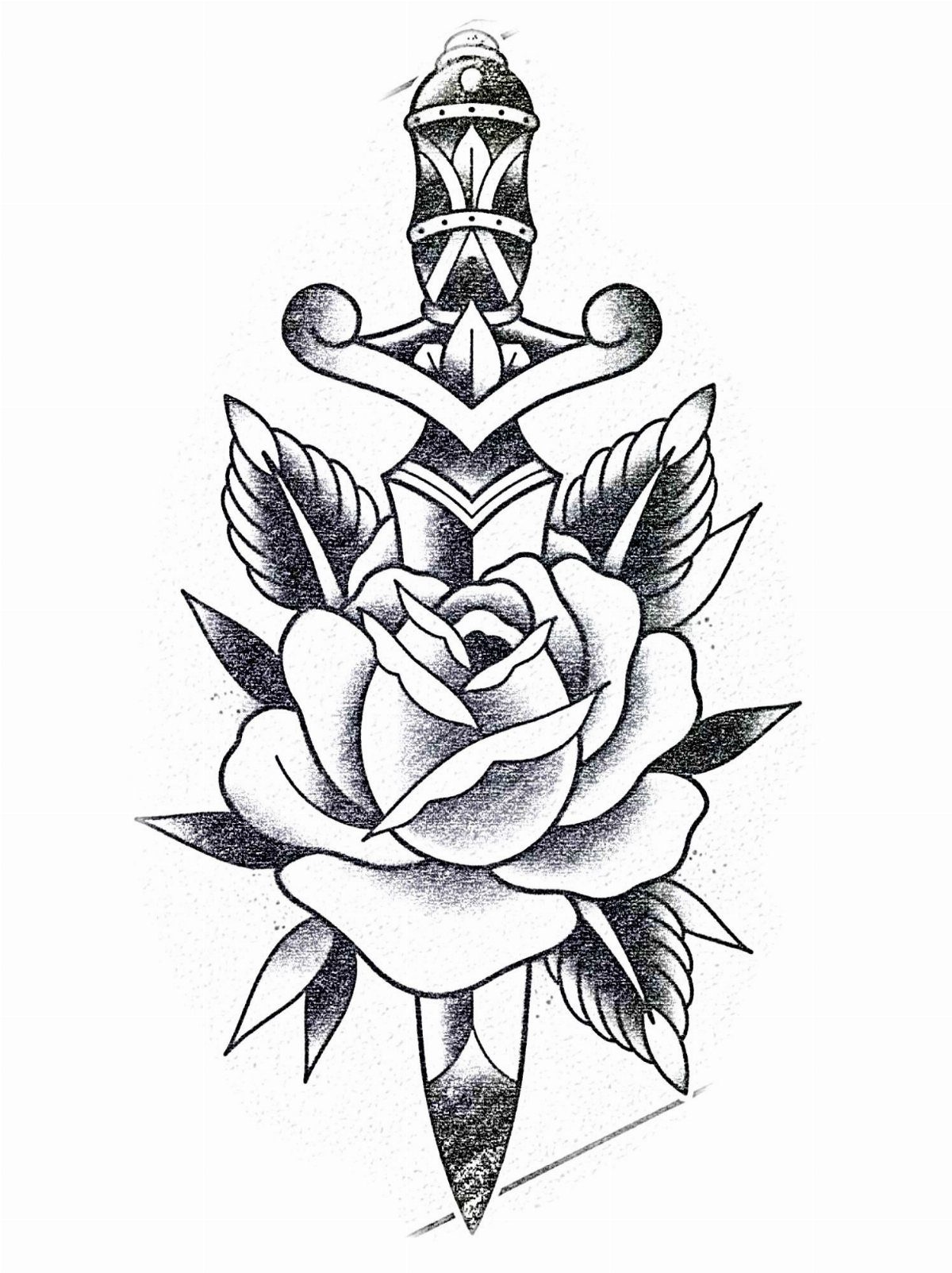
A dagger through rose is flash sheet fundamentals: bold outline, limited shading, readable from across a room. The stippled background is textbook American traditional, and it still works because the image never depended on trend.
The swallow some artists add carries separate meaning: sailing miles, safe return. If you want the pure dagger-and-rose, say so before the stencil includes extra birds you did not plan for.
This style heals forgivingly.
The thick lines hold, the simple color palette limits infection risk, and touch-ups are straightforward years later. For a first piece or a gap-filler between larger work, the format is hard to beat.

【MORE QUANTITY】12 sheets 110+ PCS Halloween Chicano temporary tattoos for men women adult. Much quantity Cholo temporary tattoos kit include gangster, payasa, cross Virgin Mary, prayer, Chicana, lowrider, prisoner,are enough for you share it with your family and friends.
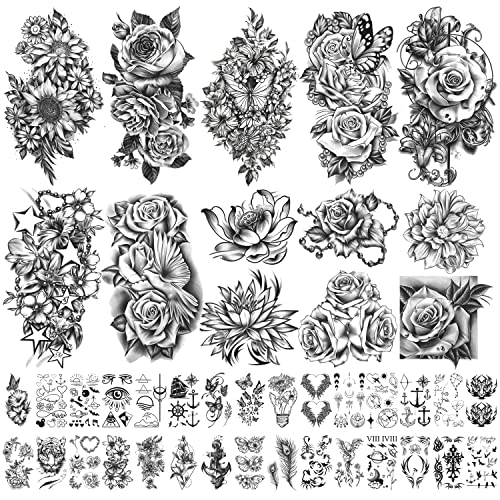
[LARGE SIZE & LARGE QUANTITY] Large size flowers collection tattoo stickers can cover your body parts larger, size is 9.45 * 5.35 inch (24 * 13.6cm) 10 sheets, 3.9 * 2.3 inch (9.8 * 5.8cm) 30 sheets .You can share it with your family and friends

Rose Temporary Tattoos : You'll receive 8 sheets rose flower temporary tattoos, each measuring 12x17cm (4.7x6.7 inches). No designs repeat, so you can switch them up and share them anytime
6. Japanese Style Koi Fish Tattoo Stencil
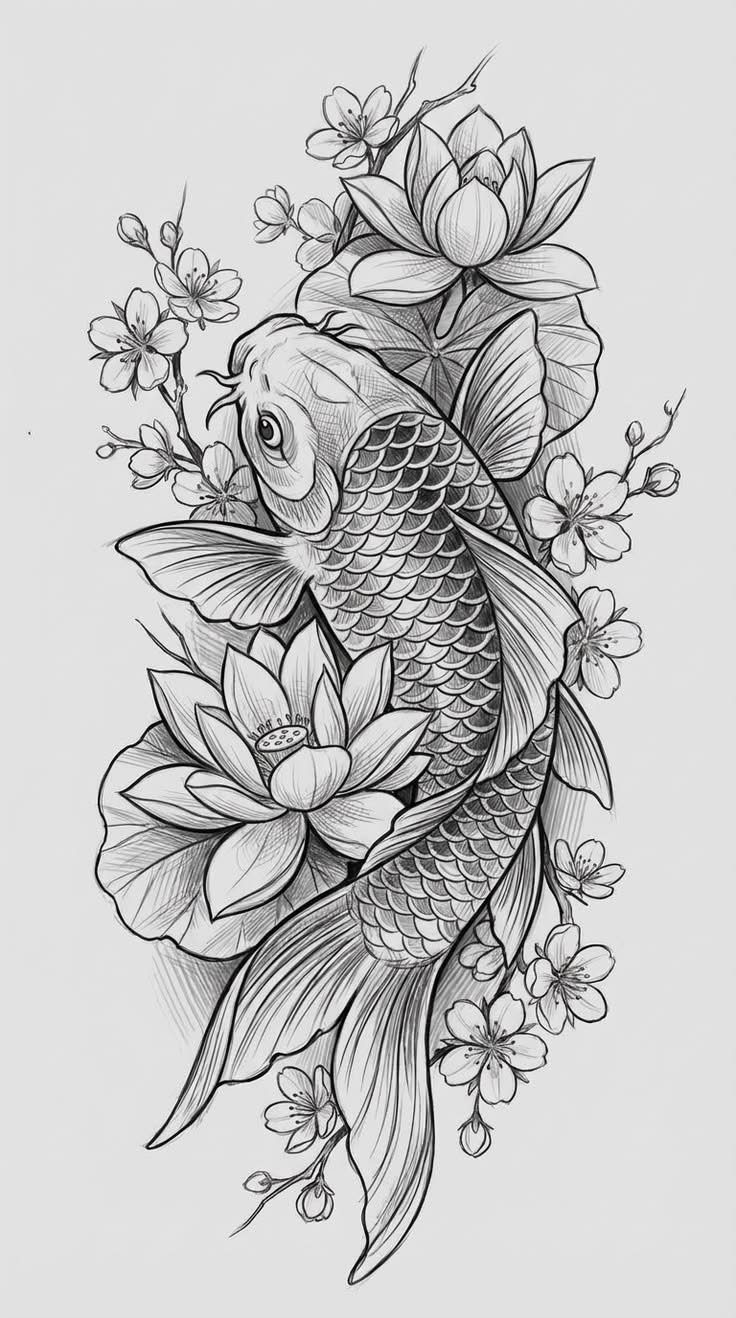
Koi stencils in Japanese style follow direction rules that matter. A koi swimming upstream, against current, signals struggle or perseverance; downstream, accomplishment or arrival.
The vertical composition suits a leg or side torso. Horizontal breaks the flow; the water and plant elements need room to breathe around the fish.
Dragons paired in the same stencil set work as sleeve connectors, though I would separate them: one strong focal point per piece reads cleaner than two competing for attention.
Black line work allows color later.
Some clients stencil in grey, then return for the red or gold after healing. That two-stage approach costs more but lets you live with the structure before committing to the palette.


SAFE HALLOWEEN TATTOO STICKERS: Leoars halloween skull mouth face temporary tattoos are printed with high quality tattoo ink and paper meeting rigid safety requirements. Do not apply to sensitive skin, near eyes, or if you are allergic to adhesives

Halloween Skeleton Makeup: Classic skull makeup temporary tattoo set including 2pcs glow in the dark skeleton hand tattoo, 2pcs skeleton face tattoo and 2 collarbone temporary tattoo sticker. [Tips: Only skeleton hand tattoo glow in the dark.]
7. Geometric Tattoo Stencil
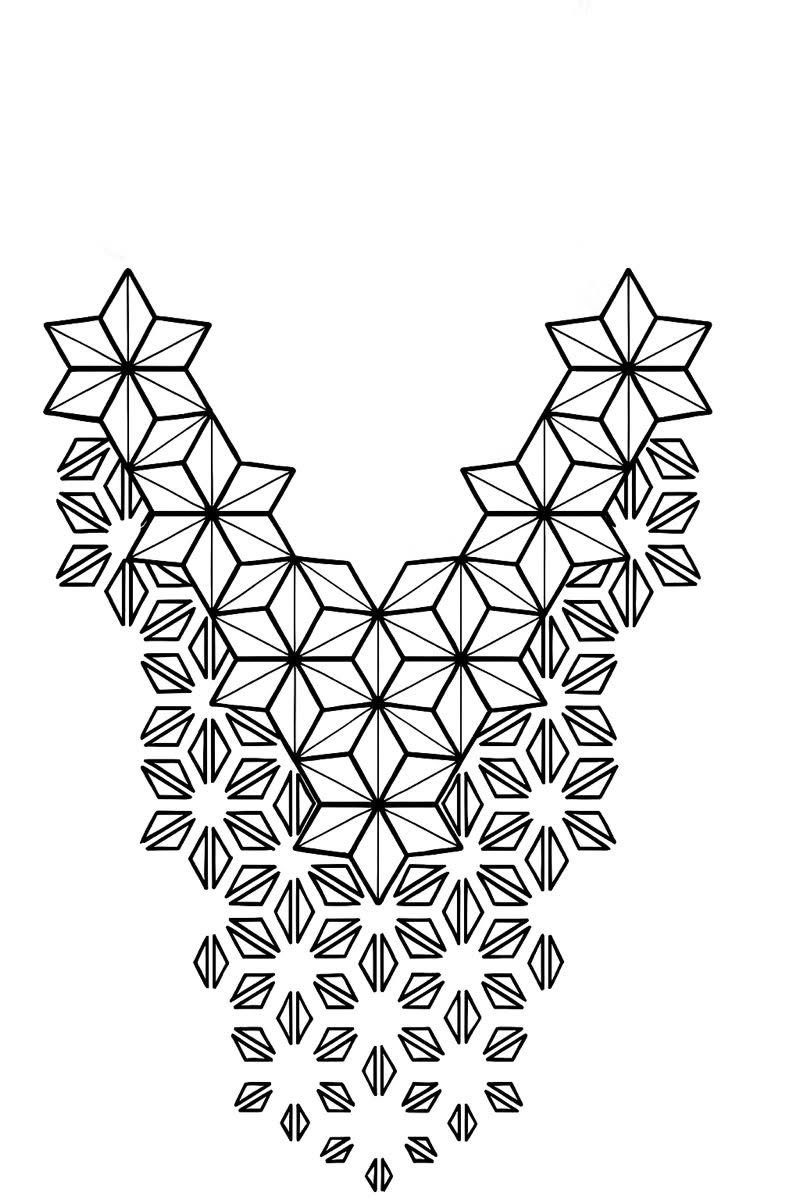
Geometric stencils work best when the pattern breaks at a joint: elbow, knee, shoulder. The facets read as crystal growth or star maps depending on line weight, and a clean break lets the eye complete the shape across the bend.
Black ink line art keeps the focus on negative space. I have seen artists layer red geometric florals as accents; that variation softens the math into something more organic, though the base structure still carries the piece.
Small shapes fade poorly.
Below half an inch, the lines blur together within a few years. Ask your artist to enlarge or eliminate anything that clusters too tight; better a bold partial pattern than a grey smudge you cannot read.

⯁ 400+ Reusable Henna Stencils: Get 24 sheets of high-quality, self-adhesive hollow templates featuring over 400 unique patterns. These temporary tattoo stencils allow you to create stunning body art including mandalas, butterflies, and dragons. Perfect for practicing techniques without permanence

Bold Tribal, Dragon & Geometric Designs – 8 sheets of detailed masculine-style patterns for a striking, professional-looking body art statement.

🐳[8 Sheets Black Dragon Tattoos in One Package!] - Original Brand of TASROI 3D imperial loong Tribal Dragon Temporary Tattoos For Women Men and Adults. Tattoos Temporary Contains 8 Large Sheets Water Transfer Animals Dragon Floral Flower Rose Moon Serpent Totem Armband Etc.
8. Floral Cherry Blossom Tattoo Stencil
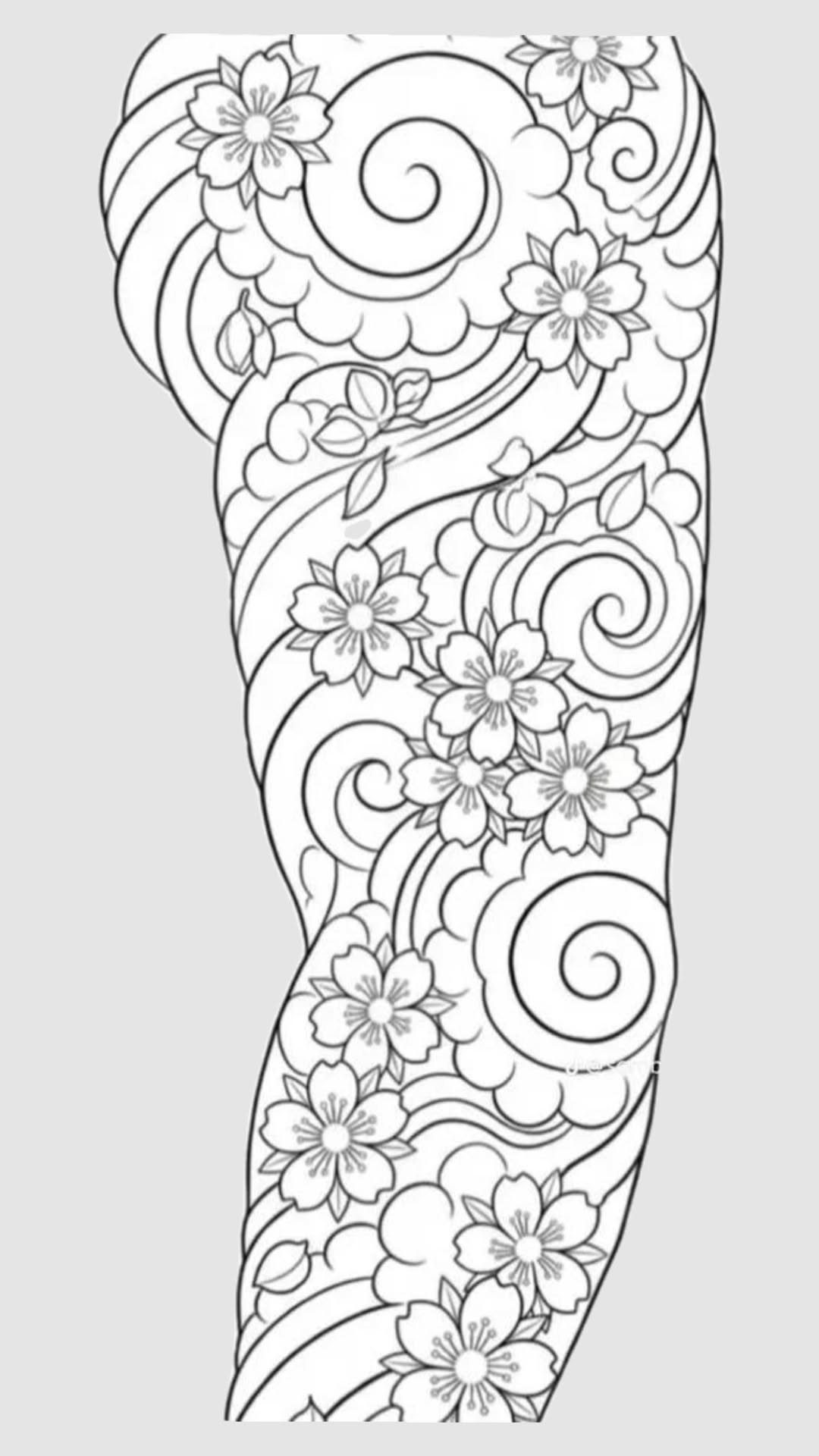
Cherry blossom stencils in Japanese style pair flowers with moving backgrounds: clouds, waves, wind spirals. The vertical composition suits an arm sleeve or leg, with the branch angle following the muscle line so it does not fight the body.
Black linework in the stencil lets the artist map where pink or red will go once the real tattoo is laid in.
A demon mask paired in the same stencil set works as a separate piece, not filler around the flowers. One strong focal point per tattoo reads cleaner; competing images turn busy fast.

142+ Nature-Inspired Tattoos Stencil Designs in 12 Sheets: This temporay tattoo template set features over 142 unique, delicate designs centered on enchanting botanical and natural elements. Discover a vast collection of flowers (daisies, roses, sunflowers, lavender), intricate leaves, winding stems, complete bouquets, elegant wreaths, crowns, bees, and butterflies. Perfect for creating floral temporary tattoos, henna-inspired patterns, and nature-themed body art.


Premium Quality 1.5mm Silicone Material – Crafted from premium 1.5mm thick silicone, this tattoo skin offers a true-to-life feel with excellent durability and a smooth surface for effortless needle movement during practice.
Tattoo Stencil Creation
Bring photos of the angle you want, even if the subject differs; a tiger walking left tells them more about weight distribution than a description ever will.
Digital tools let them adjust scale to your exact measurements before anything commits to paper. A design that reads balanced on screen can distort once it wraps a calf or shoulder; the stencil stage is where that gets caught.
Some artists sell pre-made stencil sets online. The quality varies: a clean vector line downloads sharp, but a low-resolution jpeg turns fuzzy at size.
Check the file format before you pay. SVG or AI files scale cleanly; PNG works only if the source resolution is high enough.

Easy peel-and-stick application needs no scissors or water. Place on clean dry skin, press firmly, remove backing. Complete in seconds. Perfect for quick party favors, instant rewards, or on-the-go fun without any extra tools.

【 575+ Fun Assorted Tattoo Stencils 】-The ChurlChurl tattoo stencils collection includes 575 high quality stencils with multiple themes. enjoy cute trendy tattoo stencil designs like butterflies, words, flowers, symbols, totem, Egypt style patterns and more.

[Tattoos Stencils Kit]: 24 sheets, each sheet including 4 patterns total 96pcs tattoo stencil. Which featuring Playing card patterns, flowers, lizards, scorpions, rabbits, spiders, butterflies, geckos, small birds, insects, hearts, stars, abstract and tribal motifs and more tattoo designs, enough quantity and different pattern for you create your style.
Tattoo Stencil Materials
Thermal paper reacts to heat from a printer or dedicated stencil machine.
The top sheet carries your design; the bottom sheet holds the transfer layer. Run them through together and the image deposits clean.
Carbon paper still shows up in shops that hand-trace flash.
It is cheaper and works without power, but the lines smudge if your hand drags. Purple carbon paper is the older method; it lifts onto skin with transfer solution, not heat.
Specialized stencil paper pairs with specific solutions: green soap, alcohol-based, or proprietary blends.
The paper and liquid are matched by brand in most shops. Mixing them because one ran out gives you a stencil that fades before the session ends.
Store paper flat, away from humidity. A curled sheet transfers with wrinkles that become permanent guides on your skin.

SAFE FOR ALL SKIN 2 X FULL ARM ROSE FLOWER BODY ART SLEEVES TATTOO STICKERS BUNDLE - contains 2 x sheets black full arm flower temporary tattoo which are printed with non-toxic ink, Your friends will think you had a new flower style tattoo! Great fun for parties, cosplay, halloween, special events Also for testing to see if you like a real tattoo look like

💗【73 Sheets SHELYEXIEN Brand Chicano Temporary Tattoos For Men Women Adults】 Fake Sleeve Tattoos For Women Girls Including 3D Gothic Tatoos Universe Planets Star Moon Spider Web Cross Birds Scorpion Bat Ghost Elephant Flower Floral Pirate Compass Anchor Butterfly Skull Skeleton Maori Totem Animals Wolf Tiger Lion Dragon Eagle Owl Bear Crown Mountain Sea Wave Snake Tree infinity Letter Words Quotes Abstract ECG Feather Gangster Minimalism Coyote Feather Astronaut Lowride Whale Lotus Dreamcatcher.

🌊【12 SHEETS Jesus Angel Temporary Tattoos For Women Men Adults】GOROMON Unique Design Waterproof Realistic Angel Tattoos Including 12 Sheets chicana Chicano Cholo Chola Christian Faith Prayer Religious Belief Holy Spirit Dove Pigeon Angel Jesus Tattoos Family Themed Engraved Letters Tattoos Gangster Robber Poker Bad Guy Women Face Chicano Temporary Tattoo Sticker.
Tattoo Stencil Application
Transfer solution goes on thin.
Too much and the stencil bleeds; too little and it dries before the paper seats. The artist wipes the area once, maybe twice, then presses the stencil down without sliding.
Skin needs prep. Shave the area the morning of, not days before; stubble lifts the stencil edge.
Exfoliate gently the night prior so dead skin does not block adhesion. Oils from lotion or sunscreen repel the solution, so arrive clean.
Position matters before pressure.
The artist checks the placement in a mirror, from your angle and theirs. Move it while it is still paper; once the purple or black sets, removal scrubs the skin raw and the session delays.
After transfer, let it dry undisturbed. Touching the stencil to check it lifts the lines you wanted kept.
Frequently Asked Questions
What kind of stencil do tattoo artists use?
Thermal copiers or stencil printers sit in most shops I have been in; the heat burns the design onto a thin sheet that peels off and sticks to skin.
Carbon paper still shows up for hand-traced flash, especially purple carbon that lifts with transfer solution rather than heat.
Each brand of stencil paper wants its own solution, and swapping in whatever is left on the shelf because you ran out is a fast way to watch the lines disappear halfway through a session.
Can I convert any image into a tattoo stencil?
Software lets me resize a piece to your exact width and height before paper ever touches skin, though a layout that looks centered flat on a monitor can stretch or compress once it curves around a bicep or shin.
Pre-made stencils sell on Etsy and artist sites, but I check the file type before I buy: vector files like SVG or AI stay sharp at any size, while a low-res JPEG turns to mush when you blow it up.
What are some good tattoo stencil ideas?
Skull designs work well as stencils because the empty eye sockets and gaps between teeth create natural landmarks that keep the whole piece readable from across a room.
Dragon stencils work coiled tight for forearms or stretched long for backs and ribs. Rose stencils let artists adjust petal overlap digitally so the flower reads open from every angle.
Geometric patterns break cleanly at joints like elbows or knees, and cherry blossom stencils pair flowers with moving backgrounds that follow muscle lines on arms or legs.