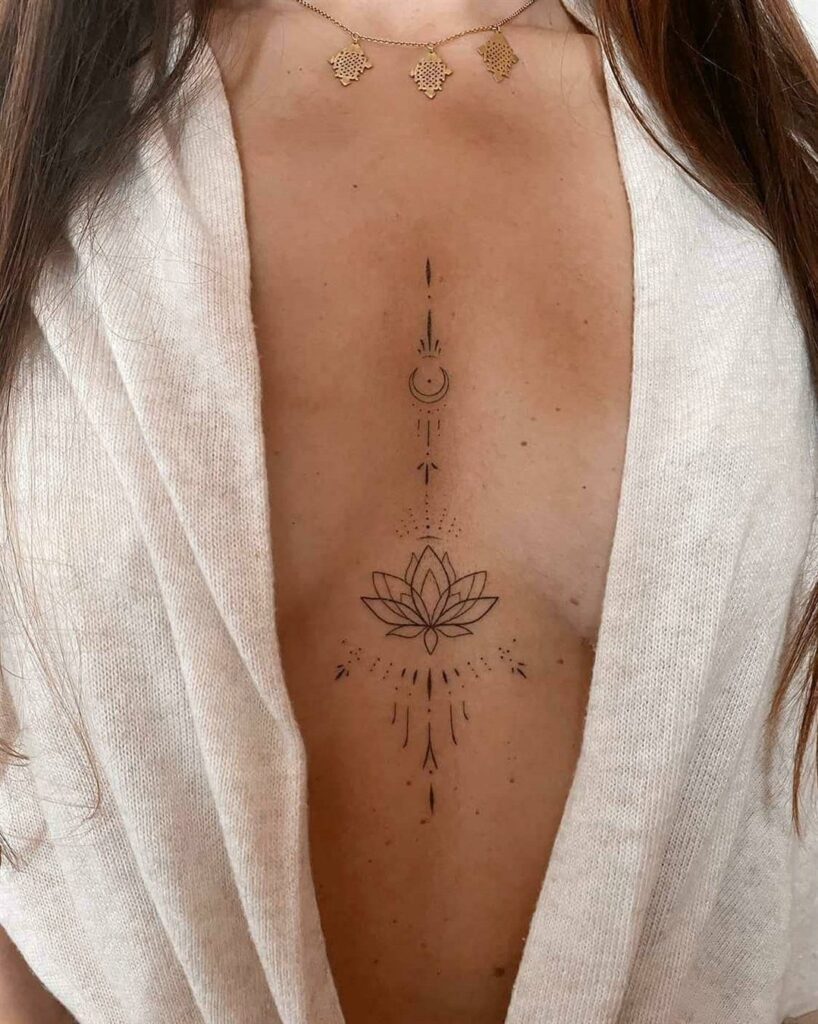
These 17 styles range from a single fine-line dot behind the ear to a full back piece of spreading roots and branches, and the right one depends on whether you want something you can hide under a work shirt or a mark that commits you publicly every day.
A butterfly on the collarbone scales to almost any size and keeps its meaning intact, while a monochrome hand design has no long-sleeve equivalent and demands touch-ups as maintenance.
1. Butterfly Tattoos
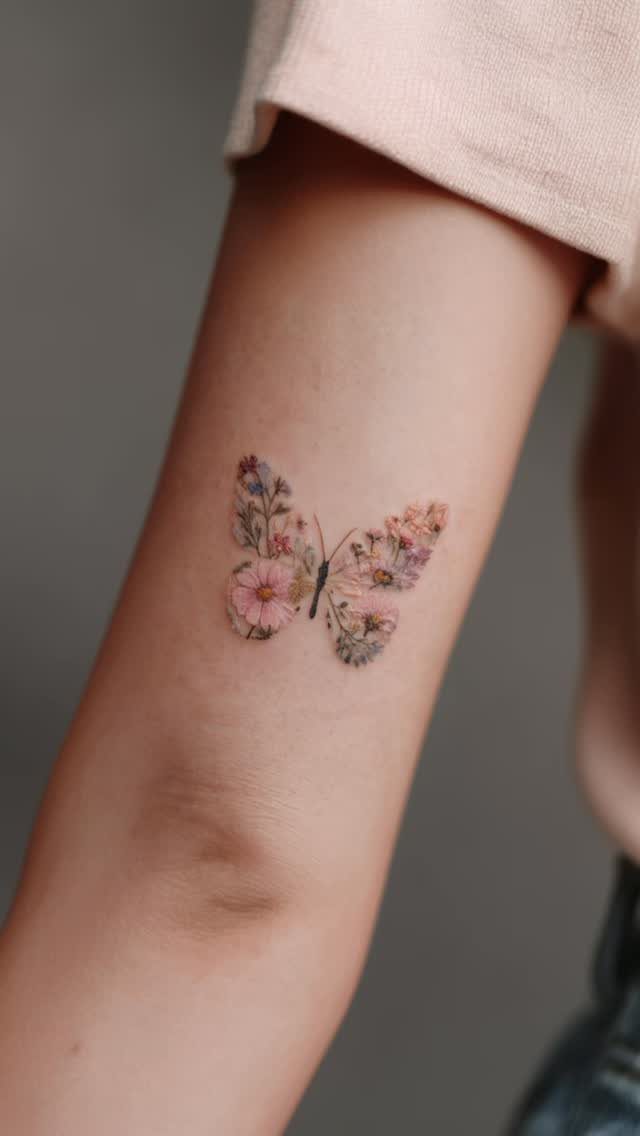
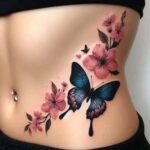
A butterfly tattoo works as a first piece because the shape scales to almost any size and the meaning stays intact.
Growth and transformation are the usual reads, and the symmetrical wings give your artist a natural frame for color or for keeping it black and grey.
Placement on the collarbone, shoulder, or forearm keeps it visible without committing to a full sleeve.
Pair it with flowers, vines, or small stars if you want to build outward later. Ask for clean linework on the wing edges; fine detail there is what keeps the shape readable as the ink settles over the years.

Clean, Flawless Transfers: Your artwork will look so clean once transferred to the skin with the Stencil Stuff gel! Gentle on the skin, Stencil Stuff transfer solution helps you achieve clear and sharp tattoo stencil transfers every time!

Safe and Healthy: Our tattoo transfer gel meets strict safety and non-toxic material standards, non-irritating to the skin and vegan-friendly. Maintains client comfort while achieving clear tattoo stencil transfers.
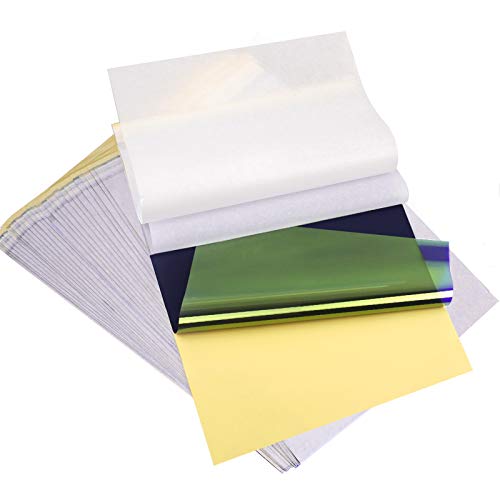
ADVANCED MATERIAL: Tattoo transfer paper is made with the high quality dyes and stencil paper. Transfer marks are very clear, clean and smooth. Tattoo transfer paper kit come with 35 sheets. Great for tattooing, trace and transfer images onto the body.<br>
2. Minimalist Tattoos
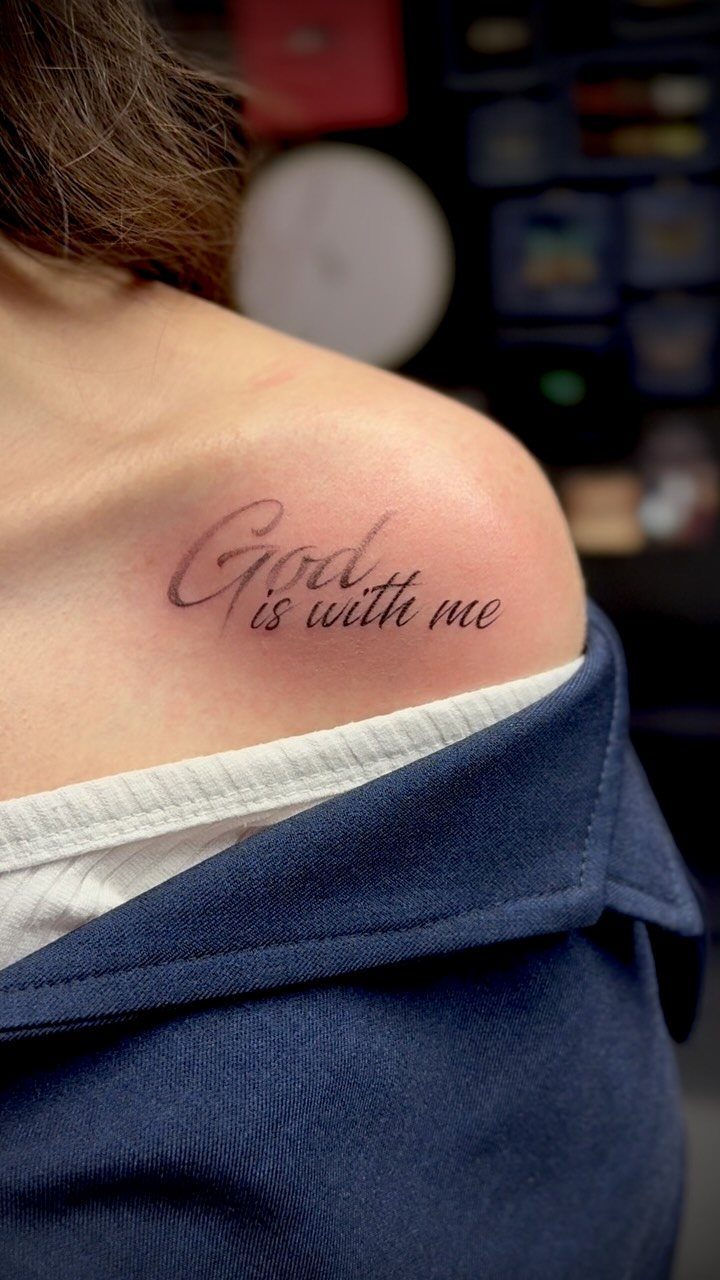
Small script or a single fine line on the collarbone reads as jewelry you do not take off.
The appeal is restraint: one line stands in for a whole image, and the meaning stays private unless you choose to show it.
Fine-line work needs an artist who specializes in it; standard needles can blow out and turn your delicate shape into a soft blur.
Behind the ear or the wrist are the usual discreet spots, though the collarbone gives more flat surface for a phrase to sit straight.
A single clean line can stand in for a whole mountain range, and 3 small dots can carry the weight of a family story; the less ink you use, the more meaning each mark holds.

Elegant Minimalist Designs, Versatile for Every Occasion: Explore our collection of finely crafted finger tattoos featuring bohemian ornaments, delicate flower doodles, scattering stars, and geometric patterns. Each design exudes simplicity and sophistication, perfect for those who adore minimalist aesthetics. Whether it's a festival, wedding, or everyday chic, these tiny tattoos complement any outfit. Mix and match designs to create unique combinations that reflect your personality and mood. 50 Pcs (48 mm x 69 mm / 1.89 x 2.72 inches).
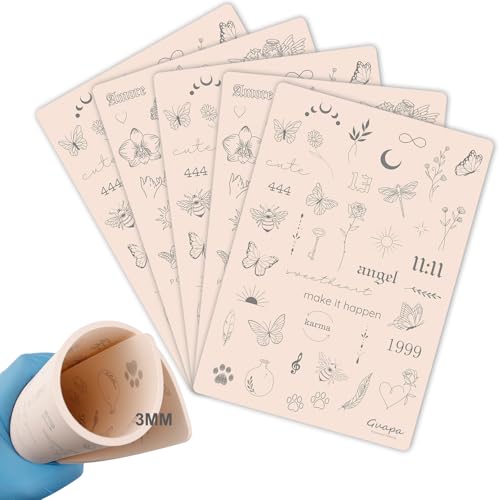
3MM Tiny Tattoo Practice skin Made from high-quality materials, it is closely mimic the texture and feel of real human skin. This gives you a realistic experience, allowing you to refine your skills before working on actual clients

Premium Quality 1.5mm Silicone Material – Crafted from premium 1.5mm thick silicone, this tattoo skin offers a true-to-life feel with excellent durability and a smooth surface for effortless needle movement during practice.
3. Floral Tattoos
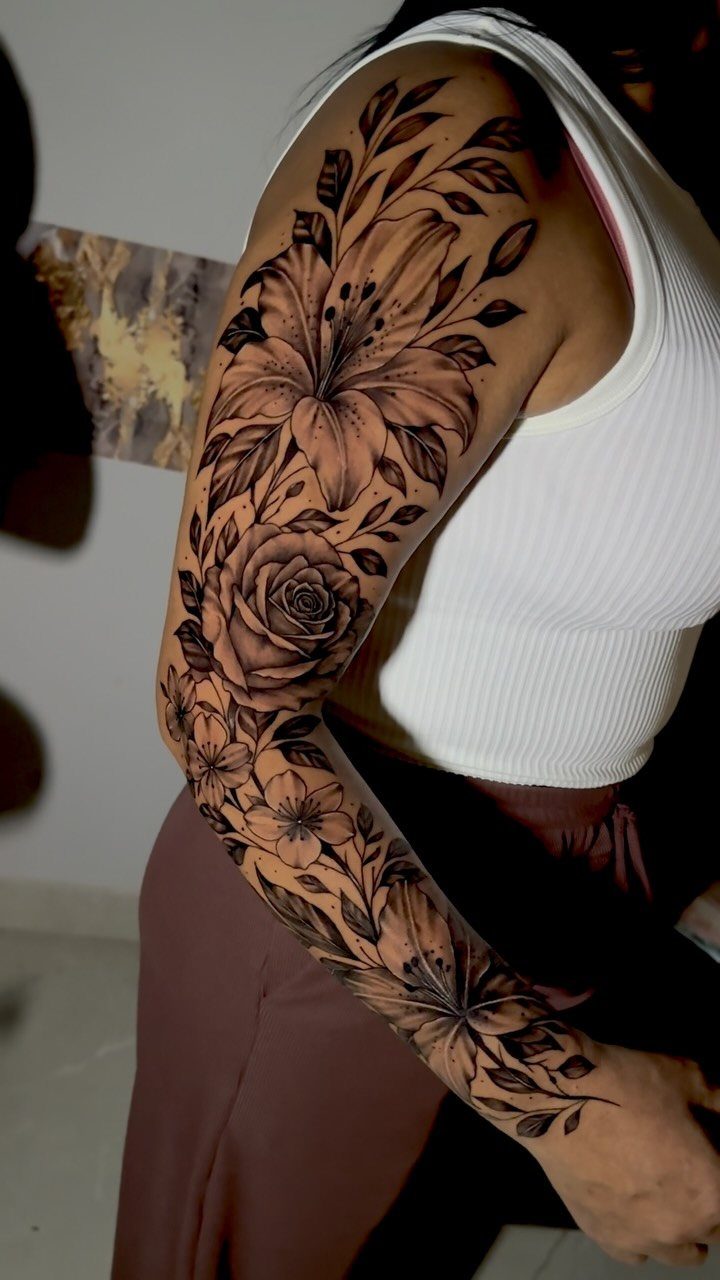
A full sleeve of lilies and roses is one way to do floral; a single stem on the wrist is another.
Each flower carries its own language, so the choice matters beyond just the look. Roses for love, lotus for spiritual growth, though a sleeve lets you mix meanings and let them shift as the eye moves.
Black and grey holds detail longer than color in large pieces, and the contrast between thick outlines and fine interior lines is what gives the design its depth.
Start with a forearm section if you are unsure about committing to the full arm; the flowers frame well at any scale.

142+ Nature-Inspired Tattoos Stencil Designs in 12 Sheets: This temporay tattoo template set features over 142 unique, delicate designs centered on enchanting botanical and natural elements. Discover a vast collection of flowers (daisies, roses, sunflowers, lavender), intricate leaves, winding stems, complete bouquets, elegant wreaths, crowns, bees, and butterflies. Perfect for creating floral temporary tattoos, henna-inspired patterns, and nature-themed body art.

Package Comes with: you will receive 1 piece reusable painting stencil, which is A4 size 8.3 x 11.7 inches / 21 x 29.7 cm

★【12 Sheets Realistic Lily Temporary Tattoos For Women】--COKTAK Brand Mixed Style Flower Temporary Tattoos. Package Includes 12 Sheets Realistic Waterproof 3D Leopard With Lily Tattoos Flowers Tattoos Rose Tattoos Beautiful Butterfly Floral Temporary Tattoo Stickers.
4. Dreamcatcher Tattoos
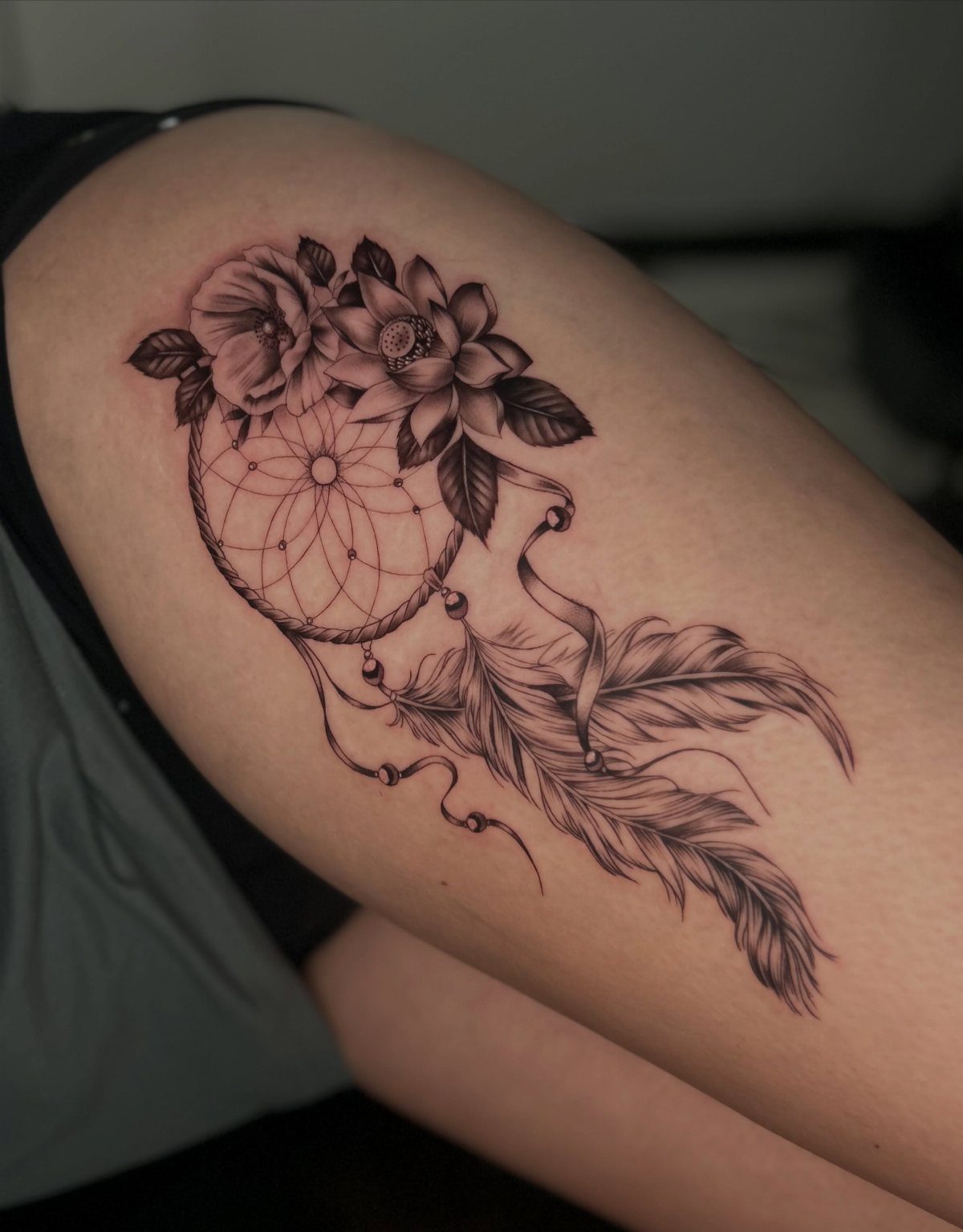
The webbed center and hanging elements of a dreamcatcher tattoo give an artist room to build outward from one anchor point.
Protection and filtered consciousness are the traditional reads, and the circular shape sits naturally on a thigh or across the upper back where the curve follows the body.
Intricate bead and feather work needs space to read, so this is not a design that shrinks well.
The thigh offers enough flat area for the detail to stay crisp, and the placement keeps it personal unless you choose to show it.
Ask your artist to space the web lines with room to breathe; packed too tight, they will bleed together once the skin settles and ages.

Animals and Dreamcatcher Stencil: You will receive 5 pieces of painting stencils which have beautiful patterns in western theme. There are native American style dreamcatcher and animals including head of sheep, wolf, deer with feathers patterns on the stencils. Our templates are suitable for you to make decoration by yourself.

1 Set = 12 Sheets Henna Tattoo Stencils, 6 Pairs Right and Left hands stencils. Pasting position: Hand, Finger,Forearm, etc. Suitable for Henna tattoo, Airbrush Painting, Glitter tattoo, and so on;

183PCS Different Styles Tattoos Stencil: Our temporary tattoo stencils forkids comes with 183 temporary tattoo stencils painting set design such as flowers, cats, hearts, skulls, dinosaurs, fruits, deer, scorpions, Hannah, unicorns, whales, cars, rainbows, telescopes, ships, too fast, astronauts, pirates, letters, stars and more Style in 12 sheets A5 size. Perfect for festivals, parties, or daily fashion.
5. Evil Eye Tattoos
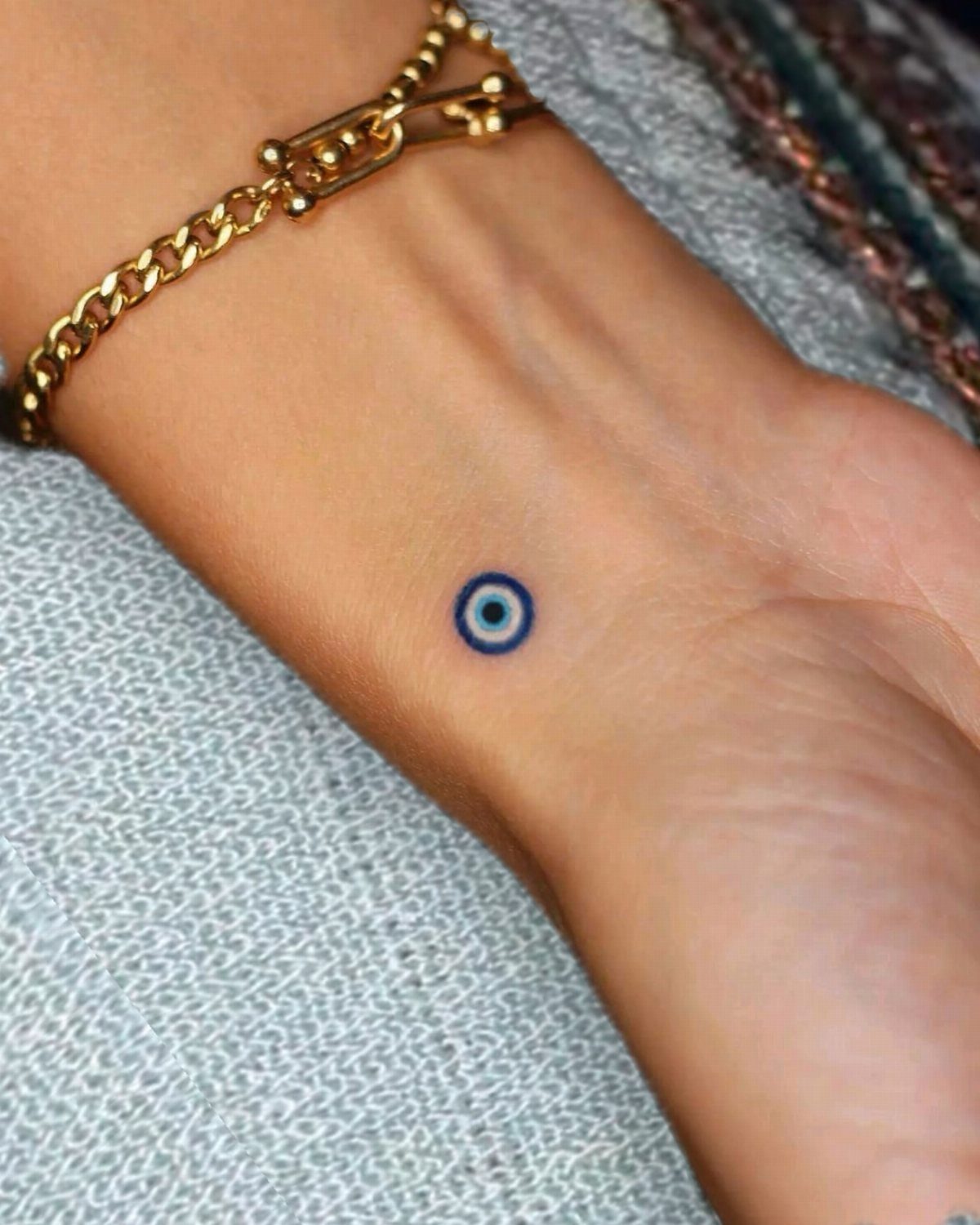
A small evil eye on the wrist functions as both symbol and accessory, especially paired with actual jewelry that picks up the blue and white.
The design wards off bad energy in tradition, though plenty of people wear it now for the look alone.
The wrist and back of the neck are the standard placements for something this compact; behind the ear works if you want it closer to hidden.
A frame of small stars or dots builds it out without losing the central symbol, and a hamsa hand nearby turns a single protective mark into a small theme.
Keep the blue saturated; pastel versions fade to grey faster than you would expect.

CLEAN GIRL AESTHETIC WORDS: Features 5 expansive sheets packing over 50+ dainty, hand-written style inspirational words temporary tattoos, motivational quotes, and poetic phrases. Designed with beautiful cursive script temporary tattoos and minimalist typography to deliver that effortless, high-end fine-line ink look on your skin.

DAISY CHAIN BRACELET DESIGN Hand-drawn floral chain tattoo designed to wrap around the wrist or arm like a piece of jewellery.

1.Elegant cursive inspirational quote “Let your Faith be bigger than your fears”. Minimalist motivational text design, perfect for wrist, collarbone and forearm. 2.Made of premium material, waterproof and scratch-resistant. Lasts 3-7 days, stays well during daily shower and hand washing.
6. Vine Tattoos
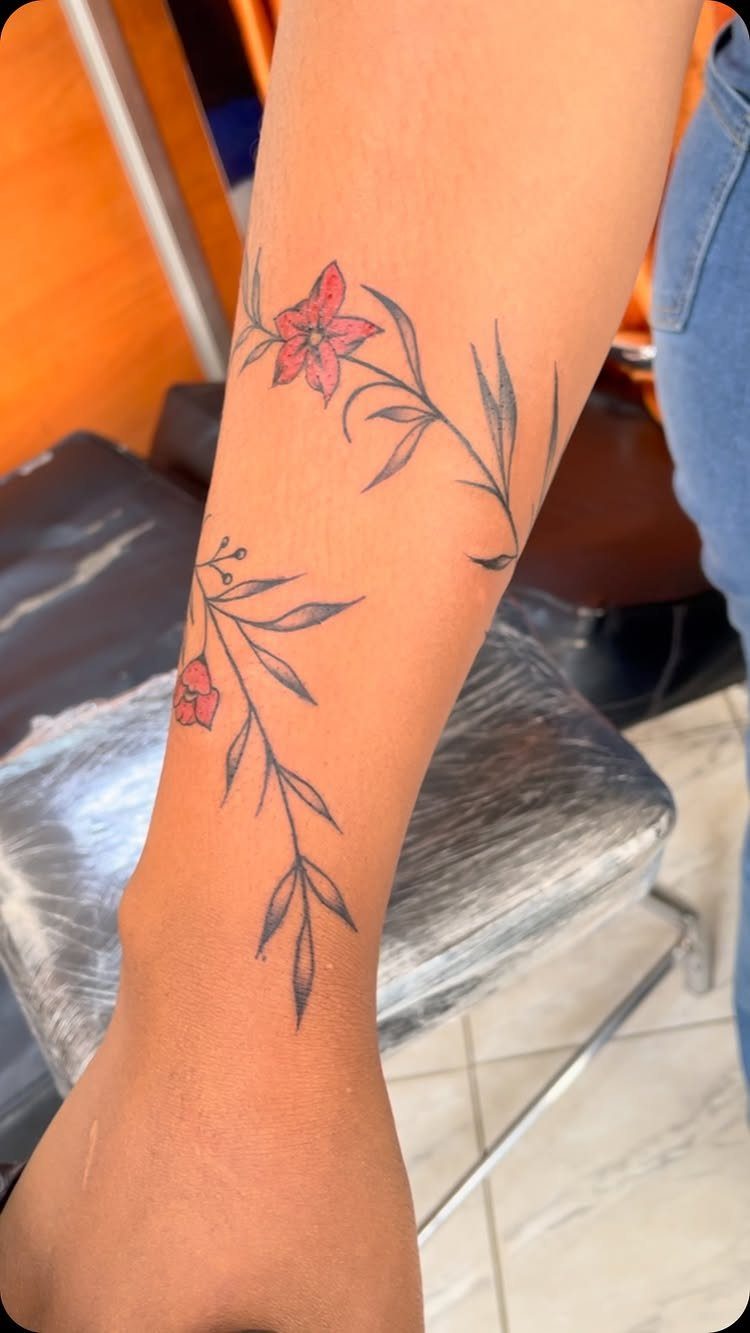
A vine tattoo follows the arm’s natural line rather than fighting it, which makes the design feel like it belongs there.
Ivy stands for growth and endurance, olive branches for peace; the meaning shifts with the plant you choose, though the visual effect stays fluid and organic.
Forearm, spine, hip, or collarbone are all viable paths, and the wrap-around effect on the arm is particularly striking.
Keep the gaps between leaves wide and the outlines crisp; thick vine work tends to muddy as skin softens over the years.
2 slim vines threaded with tiny accent flowers give you that living, growing feel without committing to a heavy full-sleeve botanical.

Warm Tips: The tattoo transfer paper need to work with transfer medias.You will need to purchase the stencil ointment separately. Apply the design made on the master paper. Please pay attention to press the back side of the pattern to the skin for at least 3 seconds

【Safe 】: Our tattoo transfer gel meets strict safety and non-toxic material standards, non-irritating to skin, vegan and skin-friendly, and allows clear, clean tattoo transfer.

🛡️ SAFE AND GENTLE FORMULA - Our tattoo goo is made from skin-friendly, plant-based ingredients that are non-toxic and non-irritating, ensuring gentle use on all skin types during stencil transfer.
7. Watercolor Tattoos
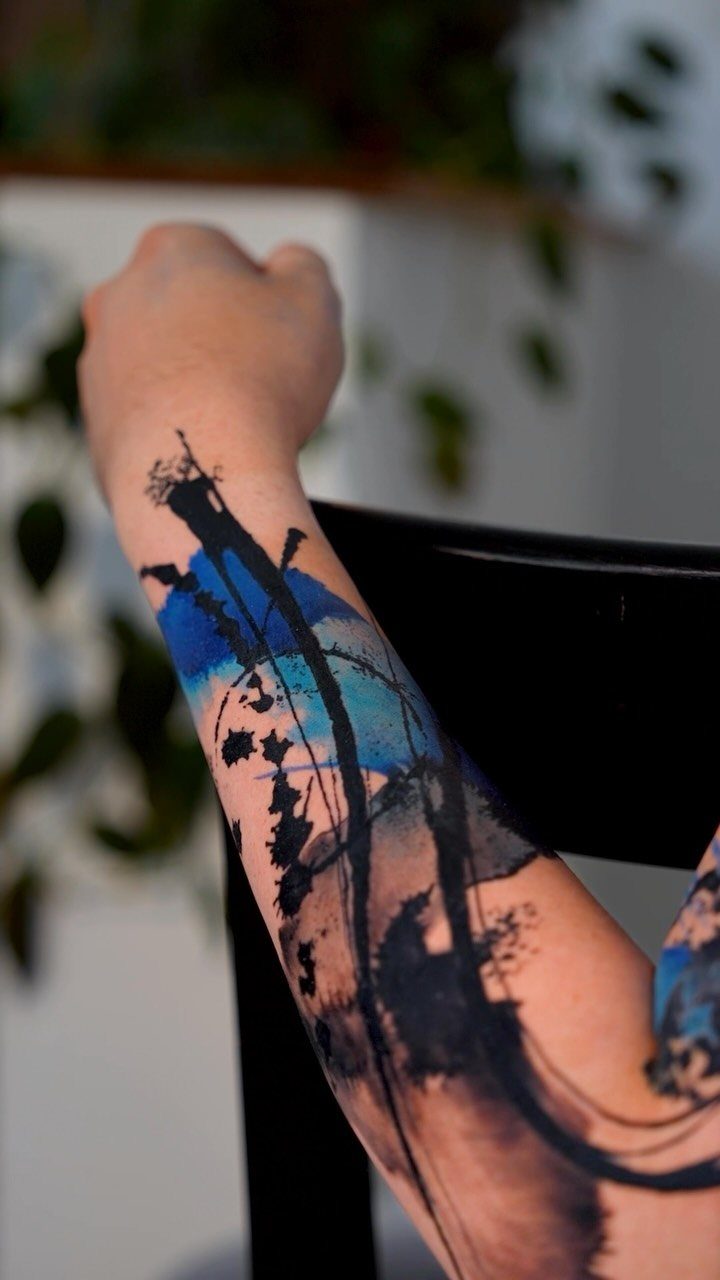
Watercolor tattoos borrow from actual painting: color washes that fade into skin rather than stopping at a hard edge, splashes and gradients where traditional work would use solid fill.
These pieces need room to spread out, which is why I see them most often on shoulders, upper arms, forearms, and thighs.
A black outline underneath gives the color something to hold onto; without that structure, the pigments diffuse faster than you would want and the whole piece softens into a bruised-looking blur within a few years.
Ask your artist about their experience with this specifically; not every shop that does solid traditional work handles the layered approach watercolor demands.
Plan on a touch-up every couple of years if you want the colors to stay bright; the watercolor style fades faster than traditional work.

Perfect for All Skill Levels: Designed for both professionals and beginners, the practice skins help artists refine techniques, build muscle memory and gain confidence. Whether you’re an apprentice or a seasoned artist, you’ll appreciate a versatile tool that grows with your skills. Now available in two distinct skin variations to match your training preference. Choose the Normal variant for a firmer feel, or select the Extra Soft Variation if you prefer a softer, more elastic surface.

Tiny Tattoo Practice Skin: the double-sided, easy-wipe, fine-line tattoo practice skins feature over 80 different stencil designs on the front and back of the skin.
Package includes 10 pieces of each size: 3RL, 5RL, 7RL, 9RL, 3RS, 5RS, 7RS, 9RS, 5M1, 7M1
8. Quote Tattoos
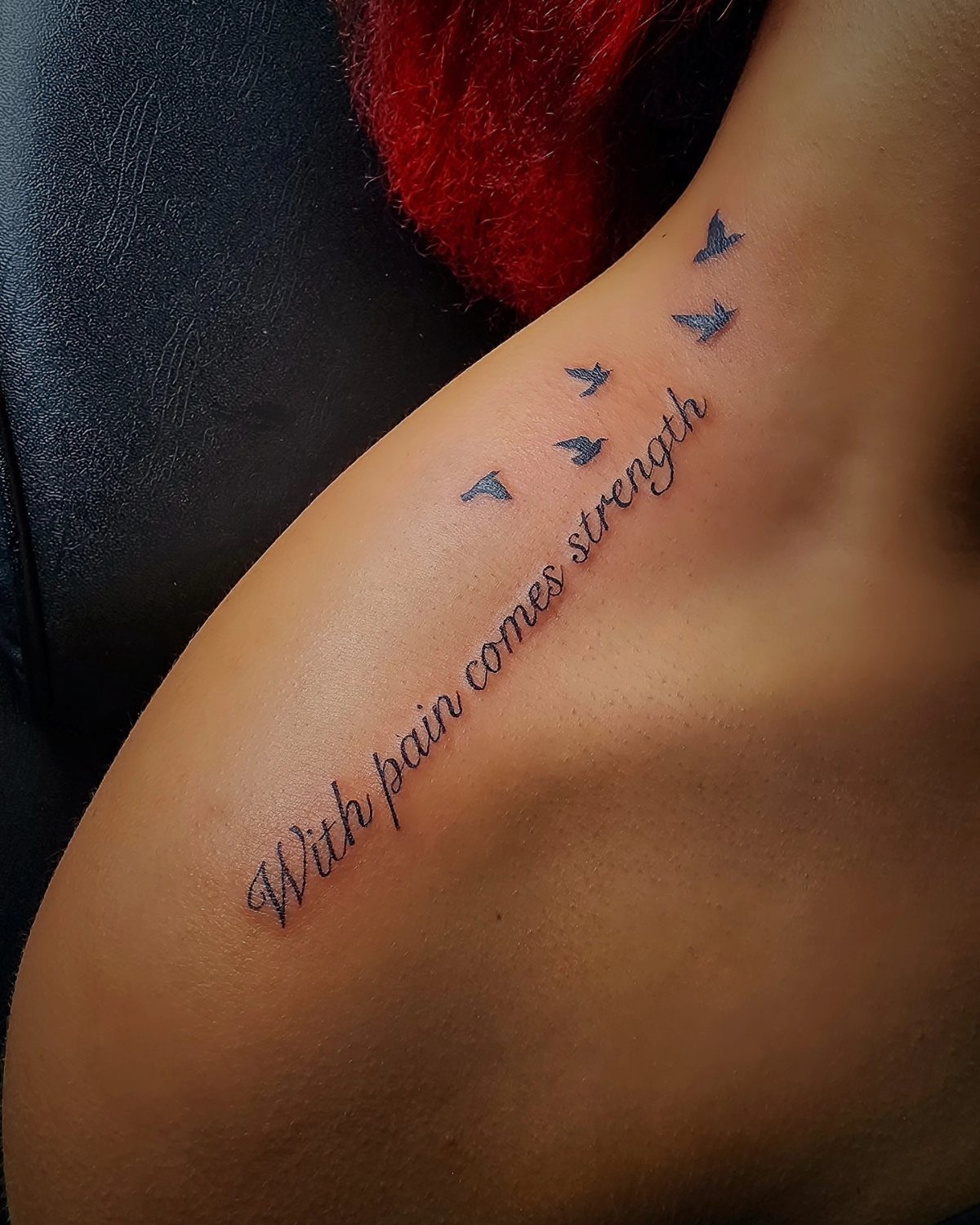
The words you live by sit differently on skin than any image could. A short quote on the collarbone or forearm stays visible enough to matter on hard days; ribs keep it private, shared only when you choose.
Font choice is where this lives or dies. Cursive flows with the body’s curves but can turn illegible at small sizes; block letters read clean longer but carry a different weight.
A phrase about strength pairs naturally with small birds or a single accent mark, though the text alone is often enough.
Spell it out in your mind for a week before committing; what inspires on Monday can feel like a stranger’s voice by Friday.

Blooming Lily Pattern Stencils: Can meet your different needs, well made and fun to creat craft projects for families and friends, offers endless possibilities for transforming your home decor


Package Comes with: you will receive 1 piece of reusable painting stencil, which are A4 size 8.3 x 11.7 inches / 21 x 29.7 cm
9. Snake Tattoos
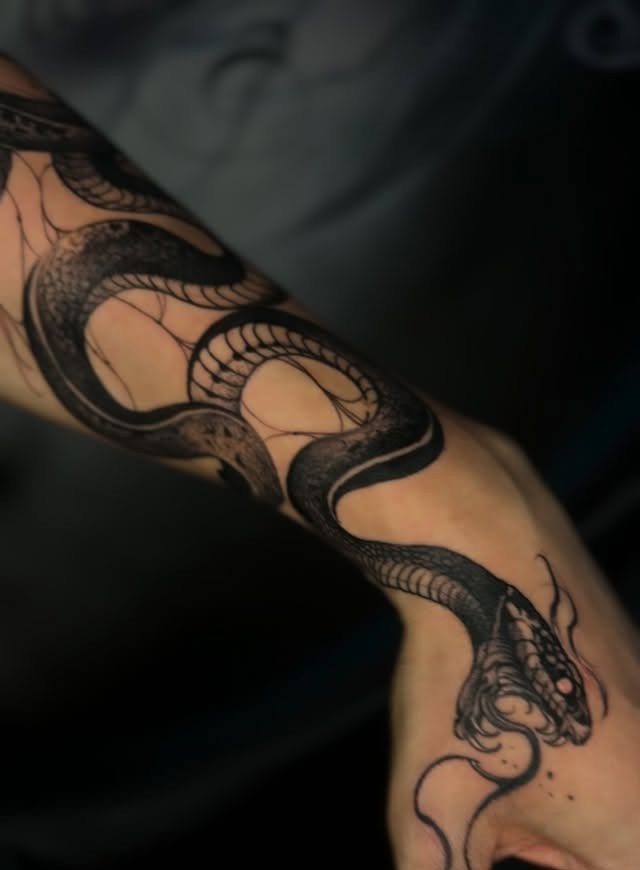
A snake wrapping the forearm uses the limb’s length instead of fighting it, the head at the wrist or hand giving the eye somewhere to land.
The shape carries transformation and protection in its history, though plenty of people wear it for the visual alone: elegant scales, or edgier with a dagger or skull threaded through.
Thigh, ribs, or sternum work as well if you want the curve closer to the body’s center. Flowers or a moon near the head of the snake turn a single creature into a small scene.
The black-ink version ages cleaner than color, and scale detail needs an artist who can keep the pattern tight without overworking the skin.

What's included: 1 Set = 9 sheets henna tattoo stencils, template size: 21 cm x 12 cm/8.2" x 4.7" (Only Templates,No Tattoo Ink); Paste location: hand, finger, forearm, legs and other parts of the body

【 575+ Fun Assorted Tattoo Stencils 】-The ChurlChurl tattoo stencils collection includes 575 high quality stencils with multiple themes. enjoy cute trendy tattoo stencil designs like butterflies, words, flowers, symbols, totem, Egypt style patterns and more.
10. Lotus Tattoos
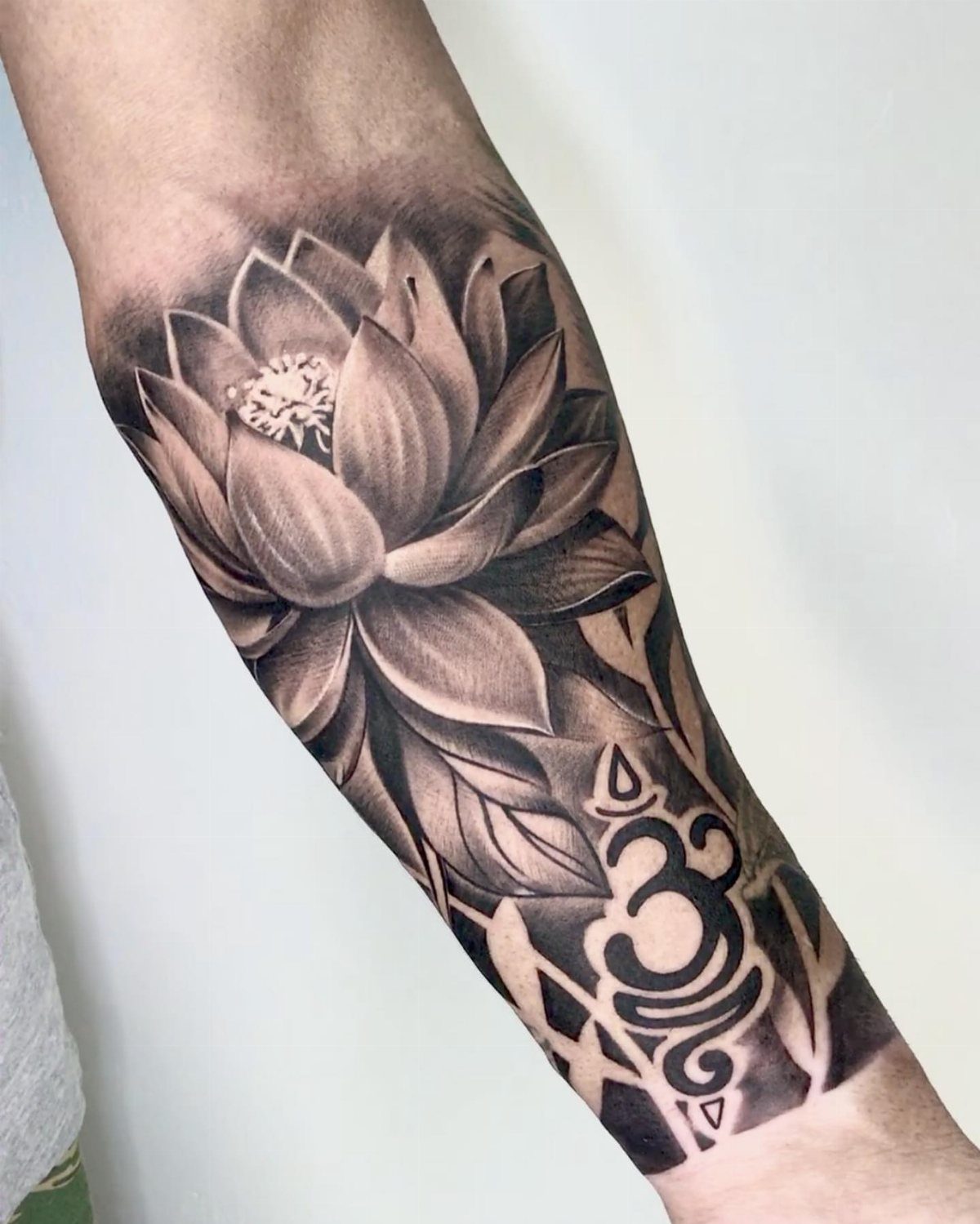
The lotus rises from murky water in its story, which is why it lands with people who have come through something.
A single bloom in fine lines on the forearm reads quietly; paired with an Om or built into mandala patterns, it moves toward the ornamental.
The sternum, spine, back of the arm, and underboob are the natural placements for a design that wants to sit at the body’s centerline or along its vertical axis.
Dotwork around the petals or water ripples beneath the flower adds layers without crowding the main symbol.
Black and grey holds the petal edges sharper over time than soft color, though a small accent of pink or white on the inner petals can lift the whole piece.
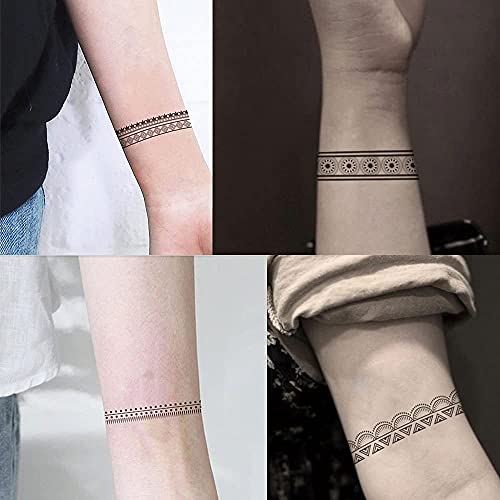
❤️ Bold Tribal Bracelet Designs: This set features 2 sheets of tribal-style temporary tattoos, showcasing intricate black patterns that wrap around your wrist like a bracelet. Perfect for fans of black tattoos and bold, masculine designs.

❤️ Inspiring Bible Verse Quotes: This set features 2 sheets of temporary tattoos with beautiful Bible verses about love. Perfect for fans of Bible verse tattoos and Christian tattoos.

1.Beautiful cursive script name design, matched with vivid red rose, blue butterfly and gradient red heart, elegant swirl vine decoration. Perfect for wrist, forearm, collarbone, ankle, ideal personalized body decoration. 2.Made of premium transfer paper, sweatproof and waterproof. The temporary tattoo lasts 3–7 days on your skin depending on location and skin type, remains stable during daily shower.
11. Wings Tattoos
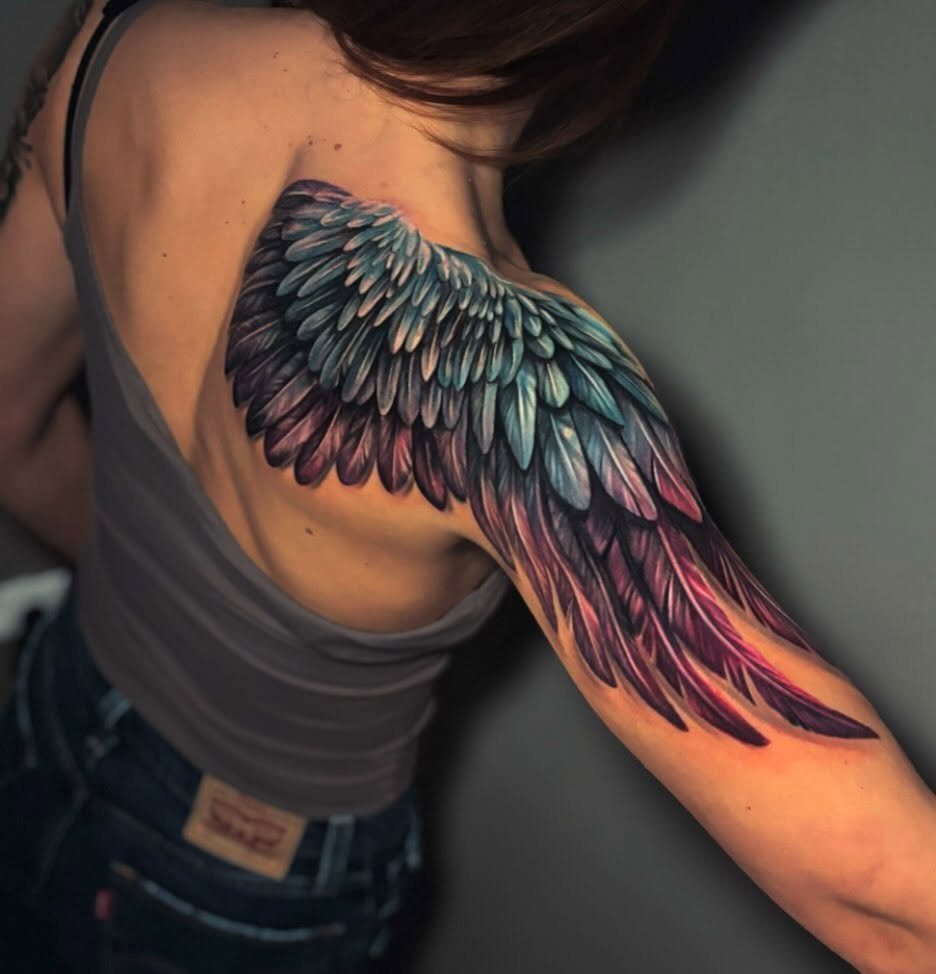
Wings across the shoulder blades read as protection or aspiration depending on the viewer, and that ambiguity is part of their staying power.
A single wing following the shoulder’s curve onto the upper arm uses the body’s architecture naturally; full paired wings need the back’s flat plane to open properly.
Feather detail in color stays vivid on the upper back, an area that sees less sun than the arms.
Halo, heart, or initial accents turn the wings into memorial work without requiring a portrait. Dragon or bat wings shift the tone entirely, toward fantasy or darkness, while butterfly wings keep closer to the transformation theme.
The shoulder blade placement hurts less than you might expect; the bone is near the surface but the skin there does not move much under the needle.
12. Mandala Tattoos
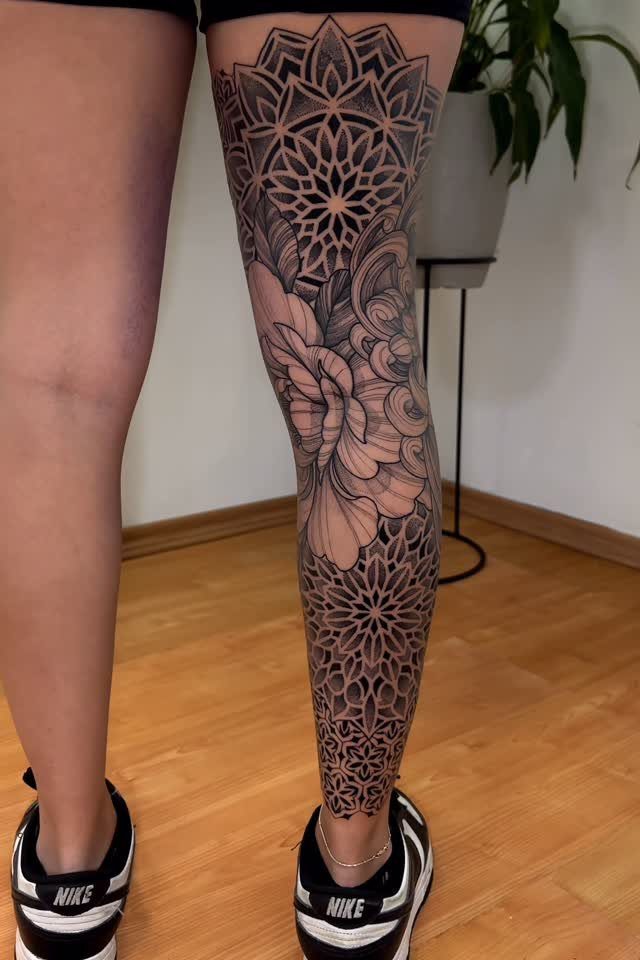
Mandala work builds from a center point outward, which is why it fits so well on rounded body areas: the thigh, the shoulder, the curve of a forearm.
The geometry reads as balance or the universe depending on your intent, and the repetition of pattern has a meditative quality that draws people in even without naming a specific meaning.
A full leg piece ties the mandala into florals and vines so the geometry does not feel pasted on; the transition between pure pattern and organic shape needs an artist who plans the whole limb, not just a flat sheet.
Linework this dense demands flat, stable skin to stay crisp, so the forearm outer surface or thigh front are safer bets than joints or areas that flex constantly.
Dotwork fills the negative space without adding weight; solid black in a mandala tends to overpower the precision that makes the design work.
13. Magic Tattoos
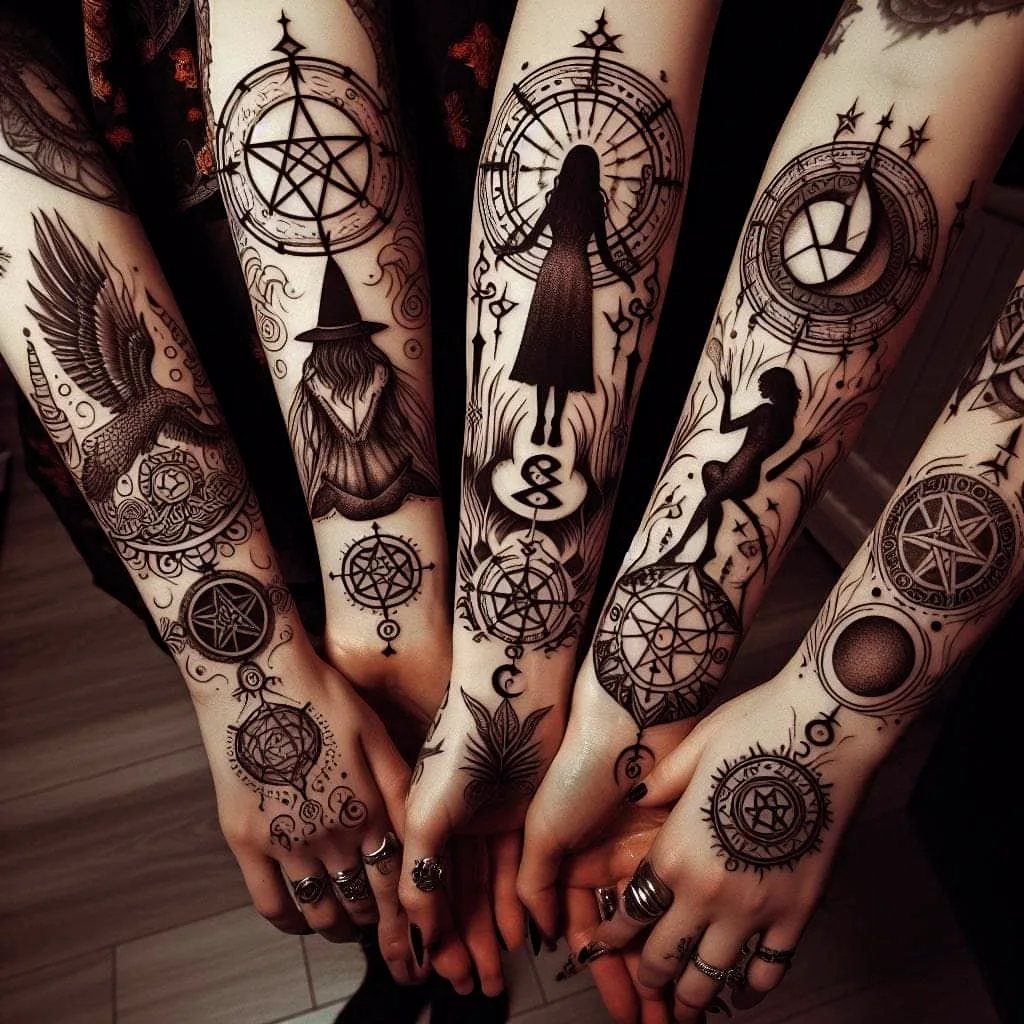
Magic tattoos run from a single wand on the wrist to full sleeves of occult symbols, runes, and ravens in dense blackwork.
The category is broad enough that you can wear it as jewelry-level mysticism or commit to a whole witchy aesthetic.
Wrist and finger placement keeps the symbols conversational; people will ask. Sternum or behind the ear hides them for your own reference.
A pentagram pairs naturally with moons or crystals if you want to build a small scene, and a single star trail along the finger line reads as delicate rather than theatrical.
Black ink carries the drama in line weight and density, not color; that saturation holds longer than the pastel "sparkle" versions you sometimes see.
14. Tree Tattoos
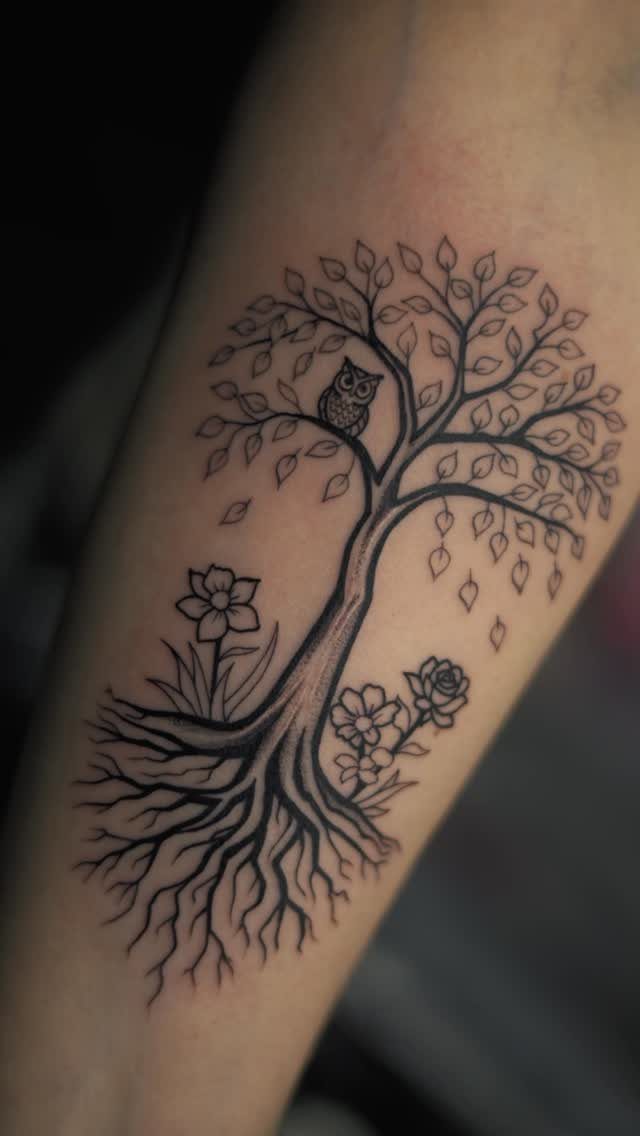
A tree tattoo roots itself in whatever soil you give it: family history, personal survival, or simply the calm of standing still while everything moves around you.
The design scales from a single slim trunk on the ribs to a full back piece with roots spreading down the spine and branches reaching the shoulders.
The thigh or calf gives a tall trunk room to breathe; the spine follows the body’s central axis so naturally that the tree seems to grow from your own center.
Black and grey bark texture ages cleaner than color, and root detail near the ankle or lower back will soften faster than upper trunk work; plan the fine lines for flatter, more protected skin.
15. Monochrome Design on the Hand
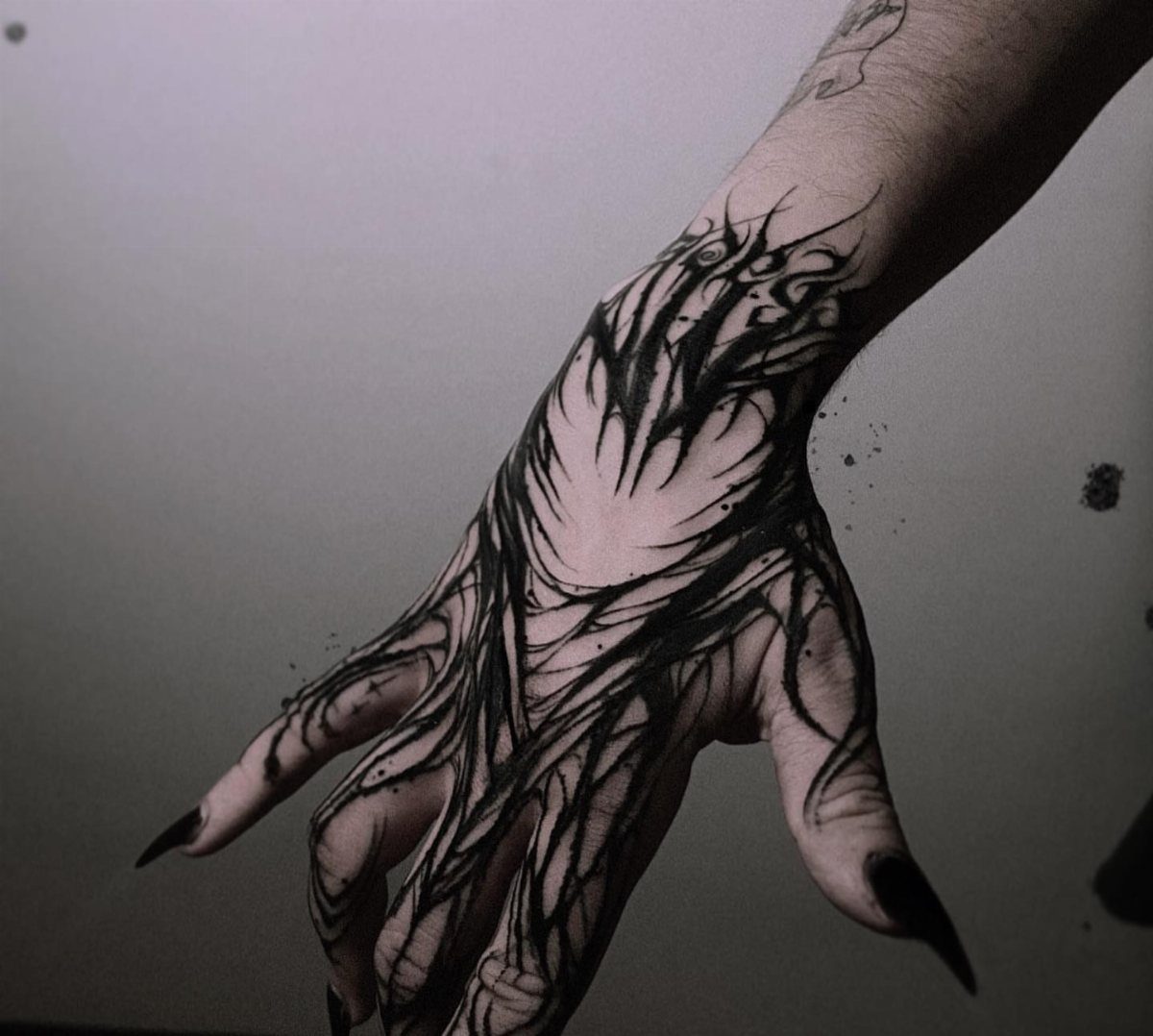
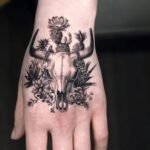
Hand tattoos commit publicly; there is no long-sleeve equivalent for the back of your hand.
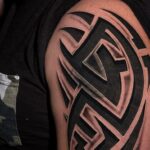
Spreading across the knuckles and down one finger in black abstract lines, thick and thin, means the artist has to work with the tendons and joints rather than against them.
The skin here replaces itself faster than almost anywhere on the body, so detail will blur sooner than it would on the forearm or shoulder.
Touch-ups are not optional; they are maintenance. Long-term, consider how the design reads as the lines inevitably soften: bold shapes survive better than fine spiderwebbing.
A black manicure can do aesthetic work the tattoo does not have to; without that coordination, the same ink can look accidental rather than intentional.
16. Geometric Tattoos
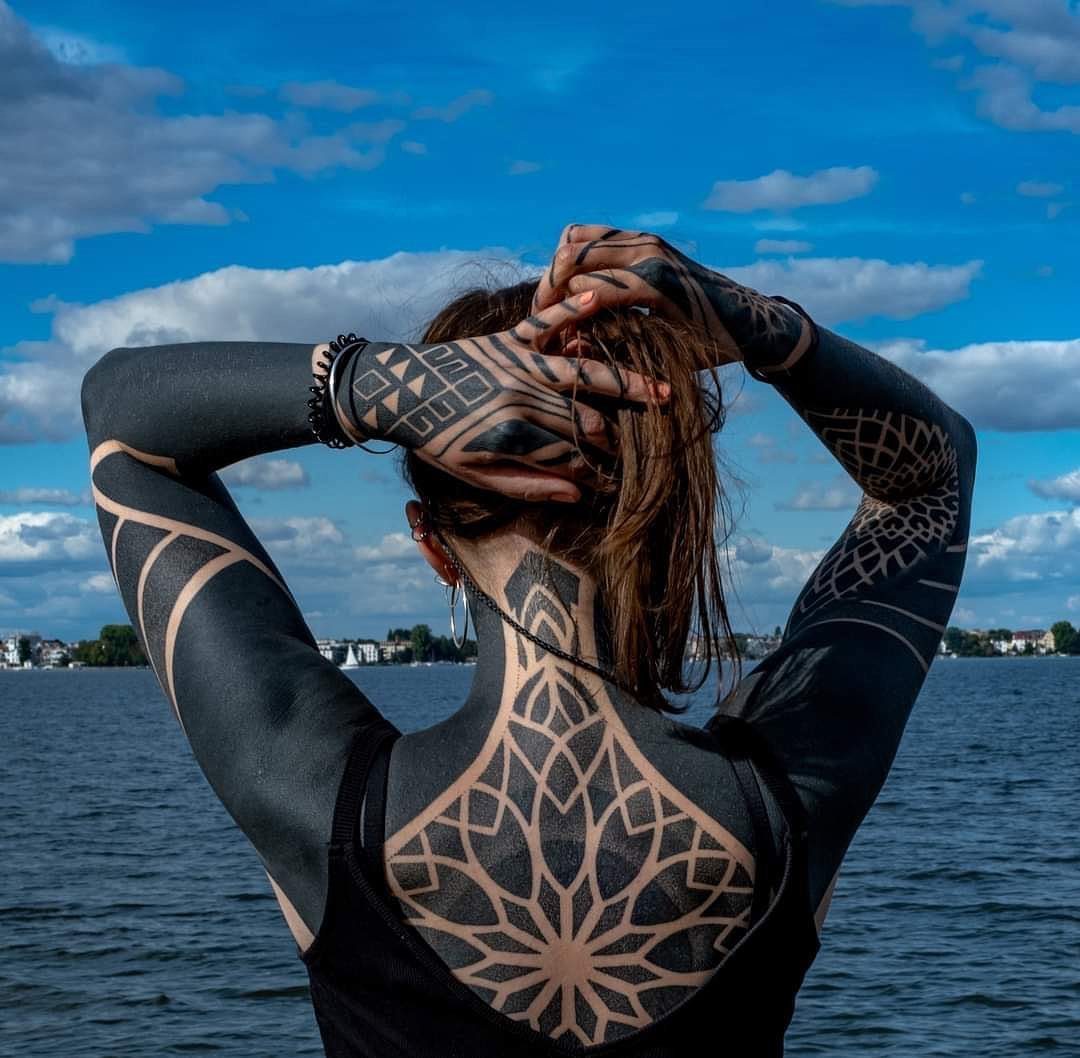
Geometric tattoos build from the simplest elements, triangles and circles and lines, but the precision is what makes them hold.
A moon phase across the wrist or a small mandala between the shoulder blades reads as feminine without defaulting to the usual floral vocabulary.
Clean lines and symmetry are not just visual preferences here; they are structural.
Uneven spacing or wobbly edges show immediately in geometric work, and they do not age out; they age worse. An artist who specializes in this is worth the search; standard traditional hand will not keep the edges crisp enough.
Blend with organic shapes, a rose inside a triangle or stars cradled by a crescent, if pure geometry feels too cold.
17. Celestial Tattoos
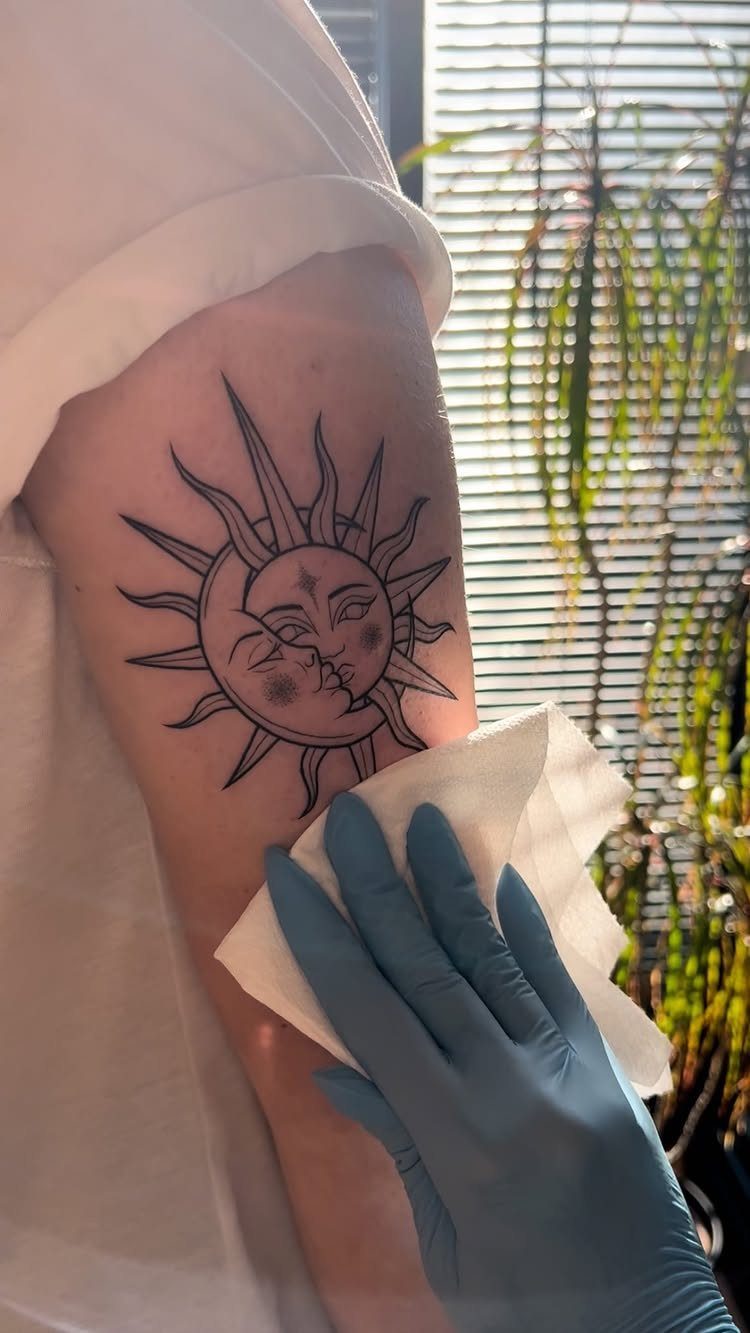
Celestial tattoos mark time, cycles, the pull of something larger than daily life. A sun and moon paired speaks to duality without needing words: light and shadow, outward and inward, the constant shift between them.
The forearm and upper back are the natural homes for larger celestial scenes; collarbone, wrist, or behind the ear work for a single crescent or a small constellation.
A simple moon phase in fine line reads as intuition and new beginnings, while a sun kissing a crescent moon carries more narrative weight. Florals or tiny crystals clustered nearby soften the astronomy into something more personal.
Choosing the Right Placement
Placement is the decision you live with longer than the pain.
Wrist and forearm stay visible for daily reminders; thigh and back let you choose when to show. The ribs sit close to bone, so the session hurts more there, though the result stays private under a shirt.
Think through your actual week before you commit. Jobs that require hiding ink still exist, and a hand or neck piece closes some doors whether that matters to you now or not.
Sun exposure matters too; a piece on your shoulder sees more light over a decade than one under clothing, and that difference shows in the ink.
Advice for First-Time Tattoo Seekers
A first tattoo does not need to announce itself. Small work on the finger, wrist, ankle, or behind the ear lets you learn how your skin takes ink and how you sit with the needle without committing half an arm.
A single word, a tiny heart, a constellation, a dot or a line, these carry weight without needing size.
Research matters more at this stage because you have no relationship with an artist yet.
Look for healed photos, not fresh ones; the bright shot from the chair hides how the line will settle. Ask about their experience with the specific style you want, not just whether they can do it.
Starting small leaves room to build outward later if the bug bites, and it gives you a reference point for how your own body heals before you plan something larger.
Caring for Your Tattoo
Those first weeks set the trajectory: clean it, moisturize it, keep it out of the sun, and the color stays where it belongs instead of fading into a blur.
Clean daily with unscented soap, moisturize thinly enough that the skin can still breathe, and keep sun off it entirely until the surface has fully closed.
Your artist’s instructions are the ones to follow; shops differ on whether they prefer a specific balm or a simple lotion, and their method is tuned to how they work.
Sun protection stays important after healing.
UV fades color and blurs black lines over years, not months, so SPF on exposed work becomes part of maintenance. Moisturizing helps too, especially on areas that dry out fast like hands and elbows.
Touch-ups are normal for some styles, watercolor especially, but good aftercare from the start pushes that need further out. A tattoo that healed poorly never fully recovers its intended look, no matter how skilled the artist was in the chair.