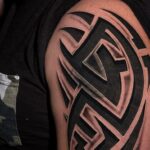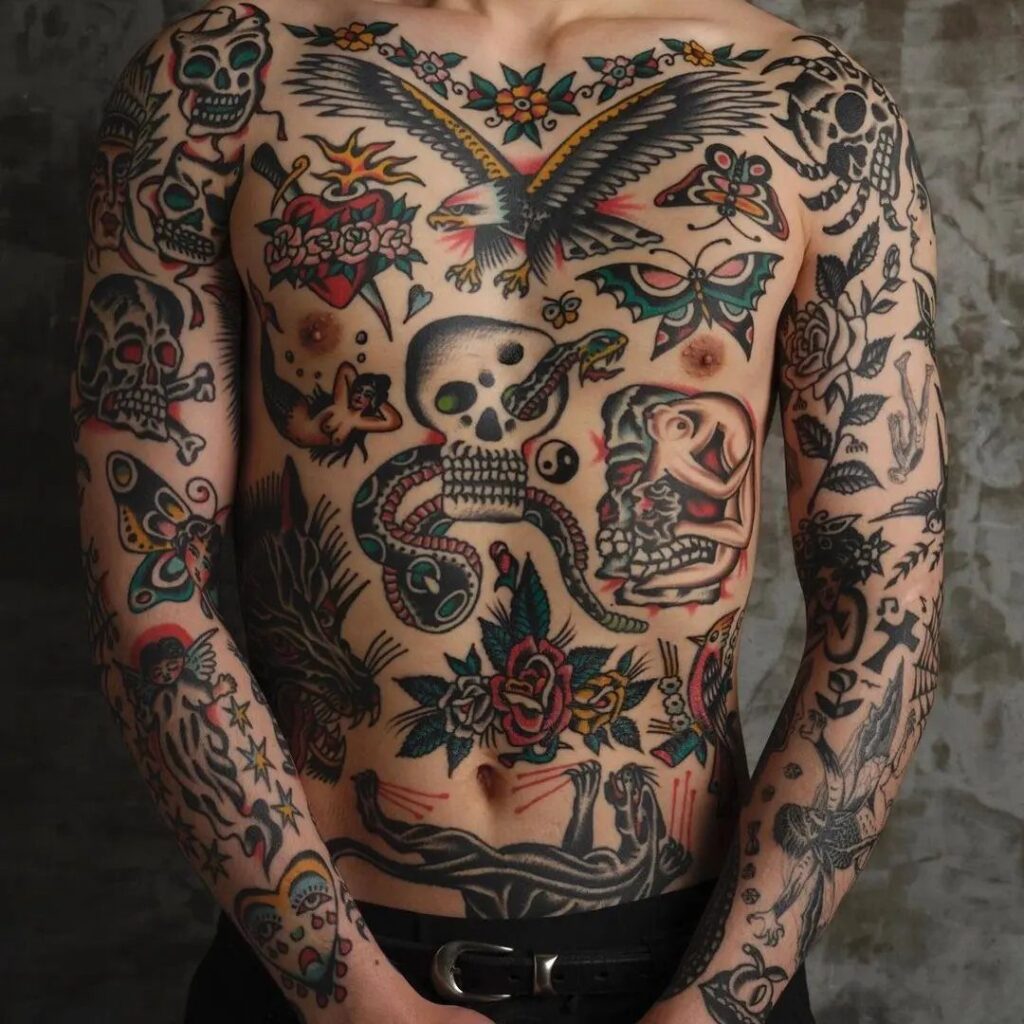
Traditional tattoo art ranges from flash sheets you can point to on a shop wall to custom pieces built from cultural lineage, and the deciding factor is how much of that history you want carried in your skin.
If you need the image to still read clean years out, the thickness of your black outline matters more than any color choice.
Carbon-based pigments in a tight palette of black, red, green, and sometimes blue or yellow are what let these designs hold.
1. Cultural Influences
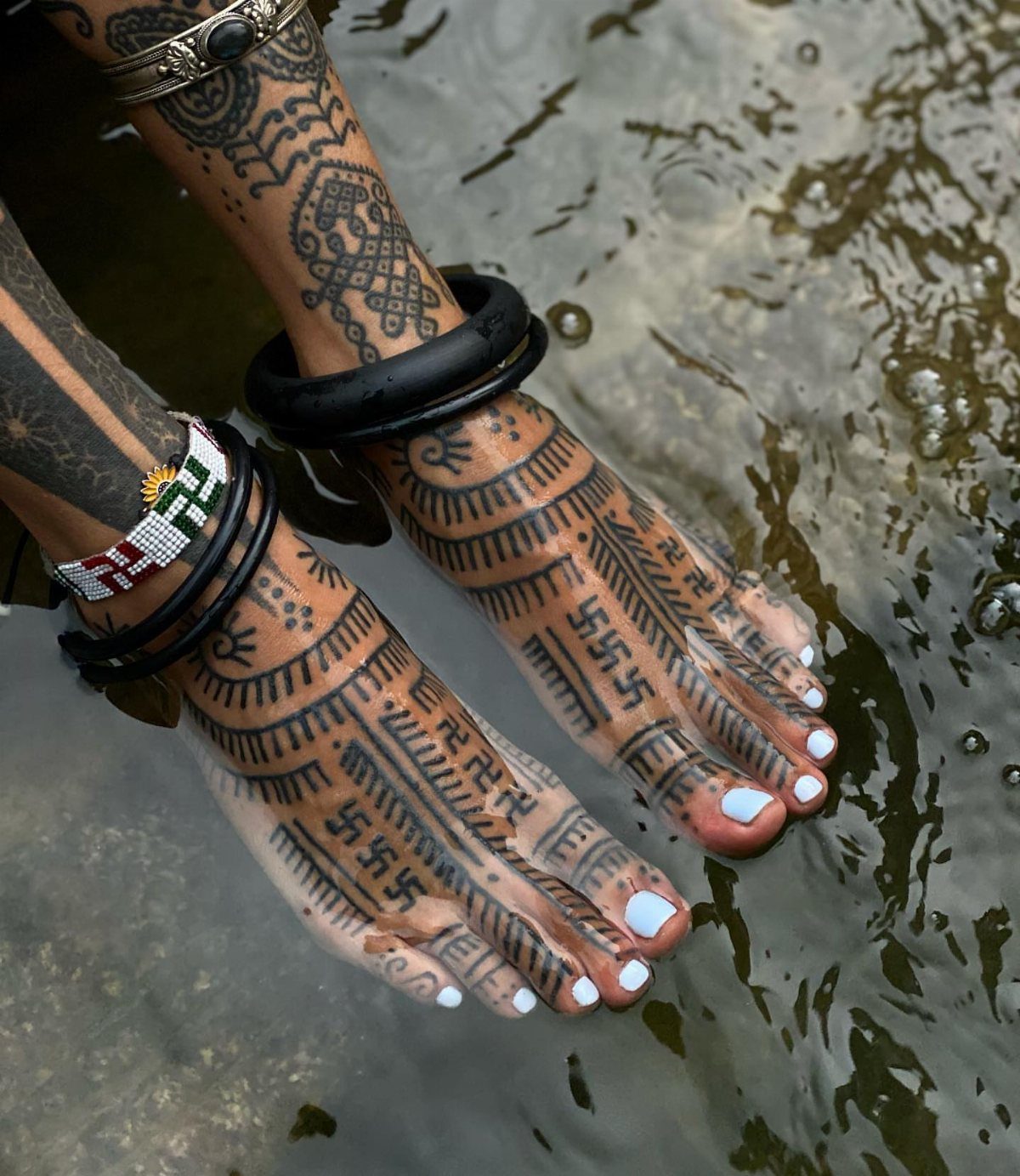
Sailors returning from the Pacific carried tattoo techniques home with them, and those marks became the backbone of what Americans now call traditional.
The style still carries Polynesian weight in its bold lines and limited palettes, but it picked up Chicano storytelling along the way, turning skin into a place where identity gets declared outright.
If you want a piece that honors that lineage, ask your artist which cultural threads they are actually pulling from. A shop that cannot name the source is probably just copying the look.
And of course, there’s nothing more American than American traditional tattooing. American traditional tattooing began to gain traction during the 1930s, as a rejection of conformity and the American Dream.

MADE IN THE USA SINCE 1990: For over 30 years Dynamic Color has produced professional tattoo ink in the United States, an established American brand artists built their work on long before most imported labels existed.

⚡Unique Black Vintage American Tattoo Designs – Featuring a stylish collection of classic style tattoos(skulls, roses, anchors, eagles,heart..). These tattoos are perfect for various body placements, including face, legs, arms, and neck. Share them with family and friends for endless fun!

MADE IN THE USA SINCE 1990: For over 30 years Dynamic Color has produced professional tattoo ink in the United States, an established American brand artists built their work on long before most imported labels existed.
2. Fine Line Tattoos
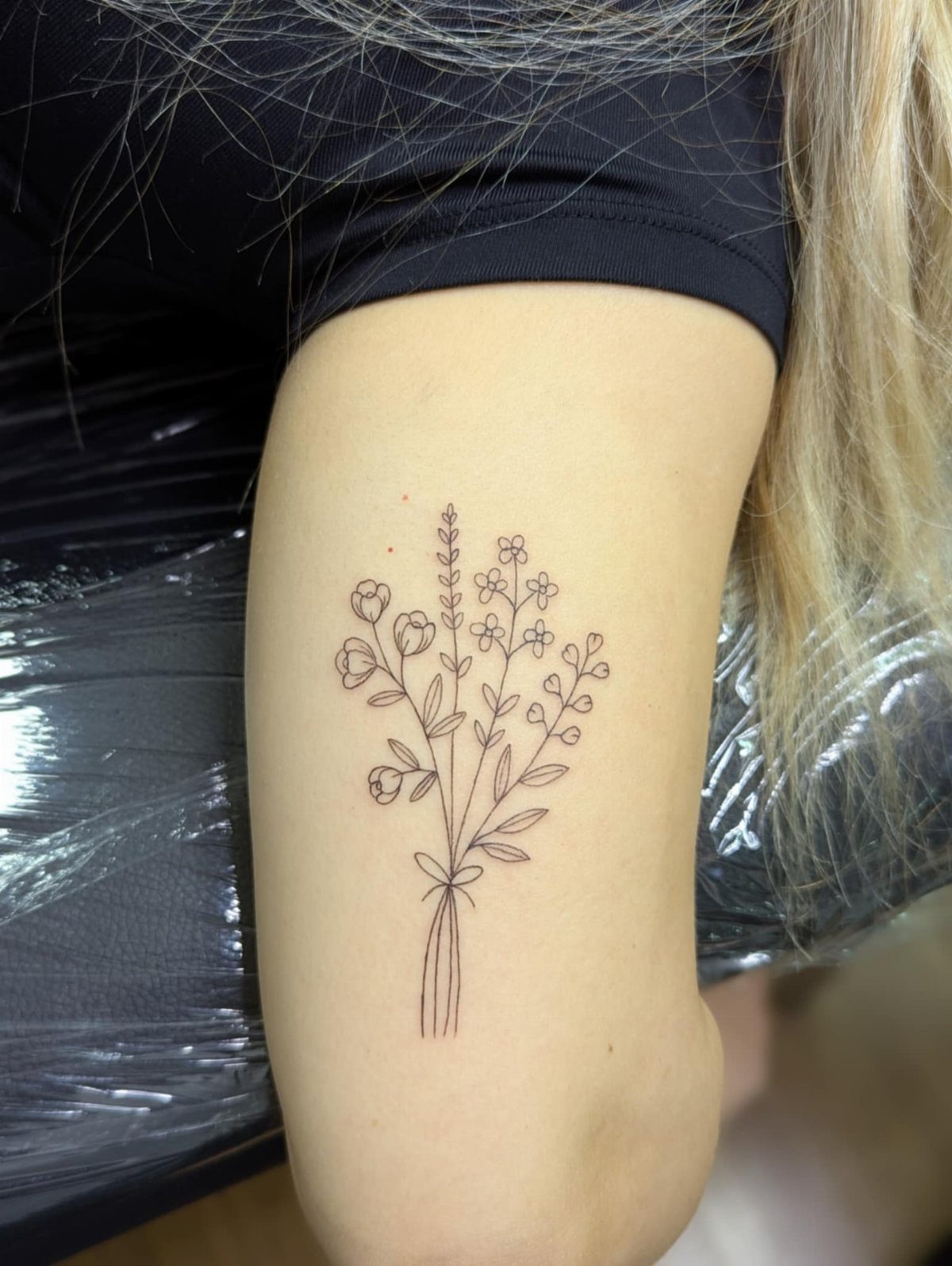
Fine line work trades the thick borders of old school for hair-thin strokes that look almost drawn with a pen.
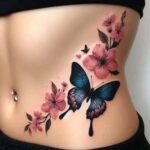
Fine line bouquets like this one skip the heavy black outline, so the ink softens faster than traditional work and usually needs a touch-up or two to keep its shape.
Before you book, check whether the artist builds those lines from single passes or layers them; layered work holds longer. Ask to see healed photos from a year back, not just fresh work under studio lights.


TRADITIONAL FLAIR: Get ready to unleash your inner rebel with Savvi's American Traditional Flash Temporary Tattoo Pouch. Have fun on a wild ride of traditional American flash art with 18 tattoos to choose from.

Best Gift Ever: Stand out from the crowd and give the gift that will last a lifetime. Your friends and family will appreciate you for the quality they see in the blanket. This is a Woven Heirloom.
3. Bold Black Outlines
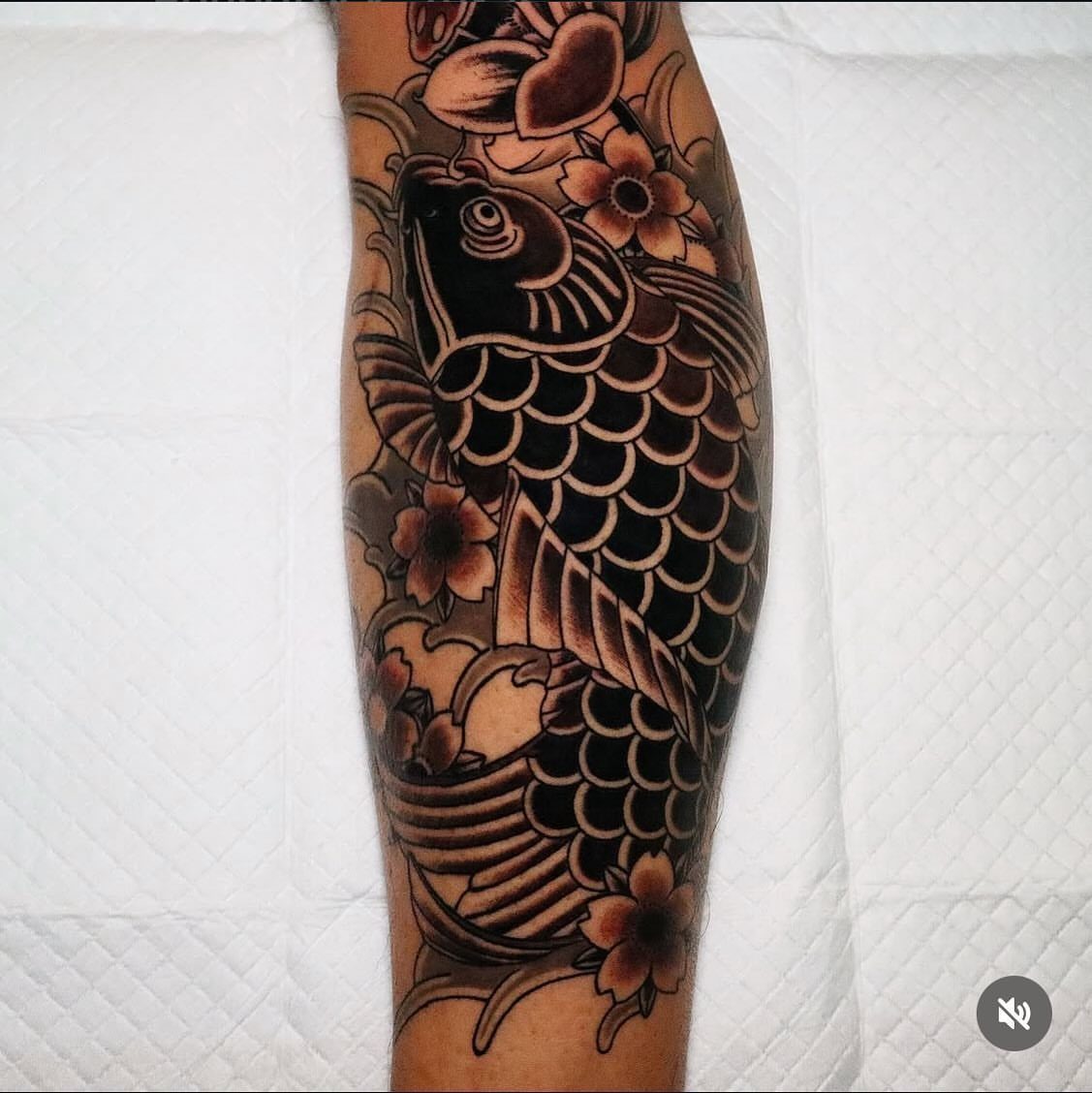
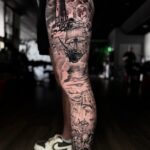
The koi on the leg runs on black ink laid down first, before any grey or color could muddy it.
Dark ink goes in first, while the skin is still calm and the stencil is crisp, because colored pigment will pick up residual black and turn muddy if you reverse the sequence.
Thick outlines like these are built to stay readable decades out, when thinner work has bled or faded into blur.


MADE IN THE USA SINCE 1990: For over 30 years Dynamic Color has produced professional tattoo ink in the United States, an established American brand artists built their work on long before most imported labels existed.

Innovative Skin-Sync Technology: We don't just sit on the skin; we interact with it. By reacting organically with naturally occurring proteins in your skin's outermost layer (stratum corneum), our plant-based formula magically transforms from a transparent guide into a rich, ultra-realistic navy-black. It looks exactly like a healed, permanent tattoo—without the needles or depth.
4. Traditional Tattoo Anchors
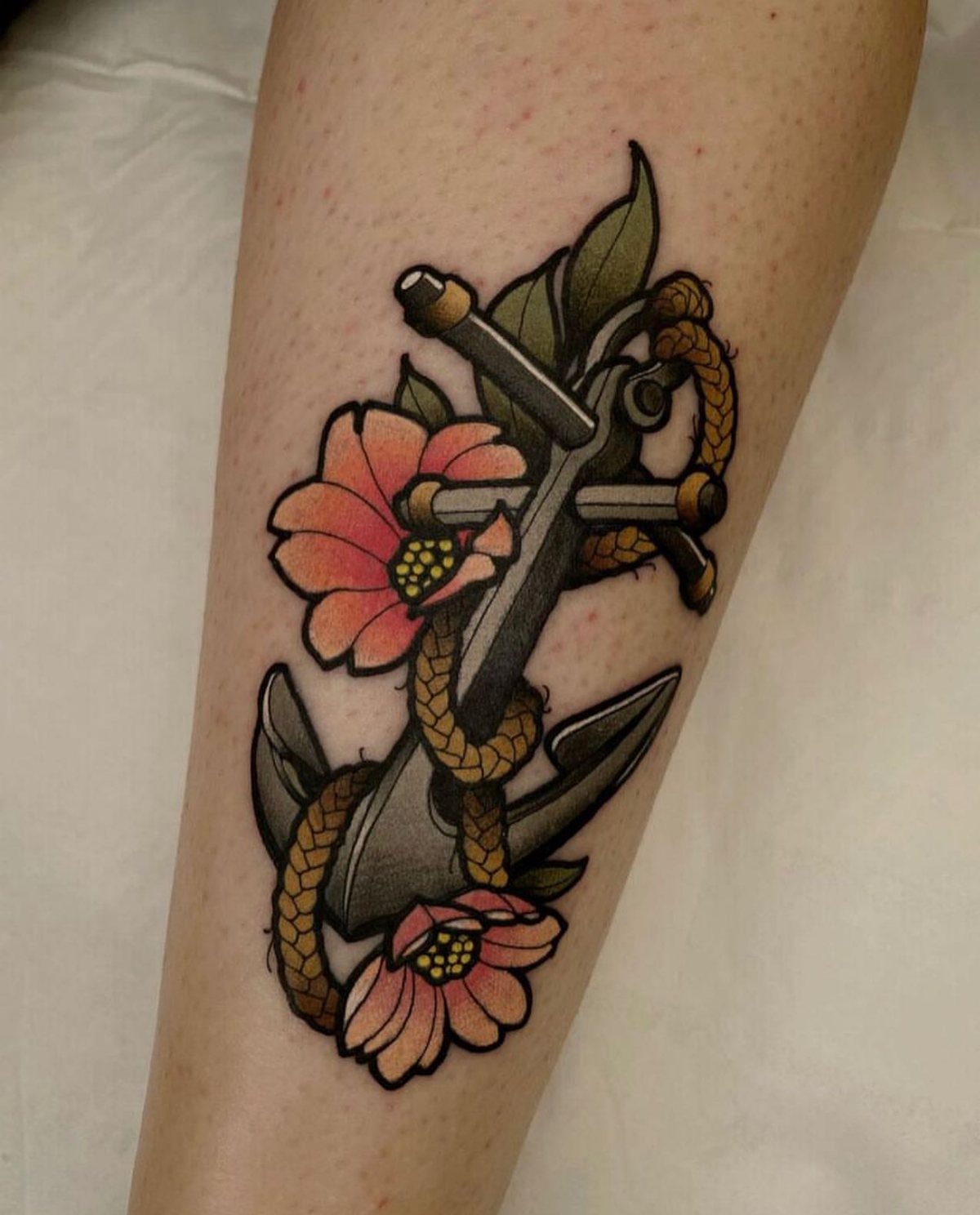
The anchor wrapped in rope and pink flowers carries the same weight it did on sailors’ forearms a century ago: stability, a safe return, the thing that holds when everything else drifts.
Eagles, skulls, daggers, and hearts travel in the same visual family, each with its own coded meaning from military and maritime life.
If you choose this vocabulary, commit to the whole grammar.
Half-traditional, half-something-else usually looks unsure of itself. Find an artist who actually works in the idiom, not one who dabbles.
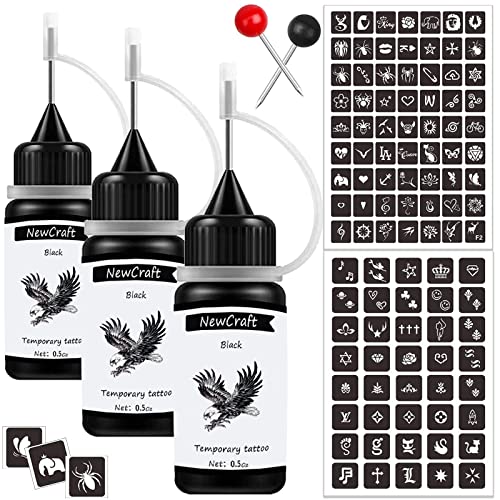
PACKAGE CONTENTS: There are 3 packs black temporary tattoo ink, 103 patterns tattoo stencils and one pin included in this comprehensive kit

MADE IN THE USA — Black Magic Stencil Primer is manufactured in the United States by a professional tattoo supply brand with over 30 years in the industry.

5. Minimal Shading
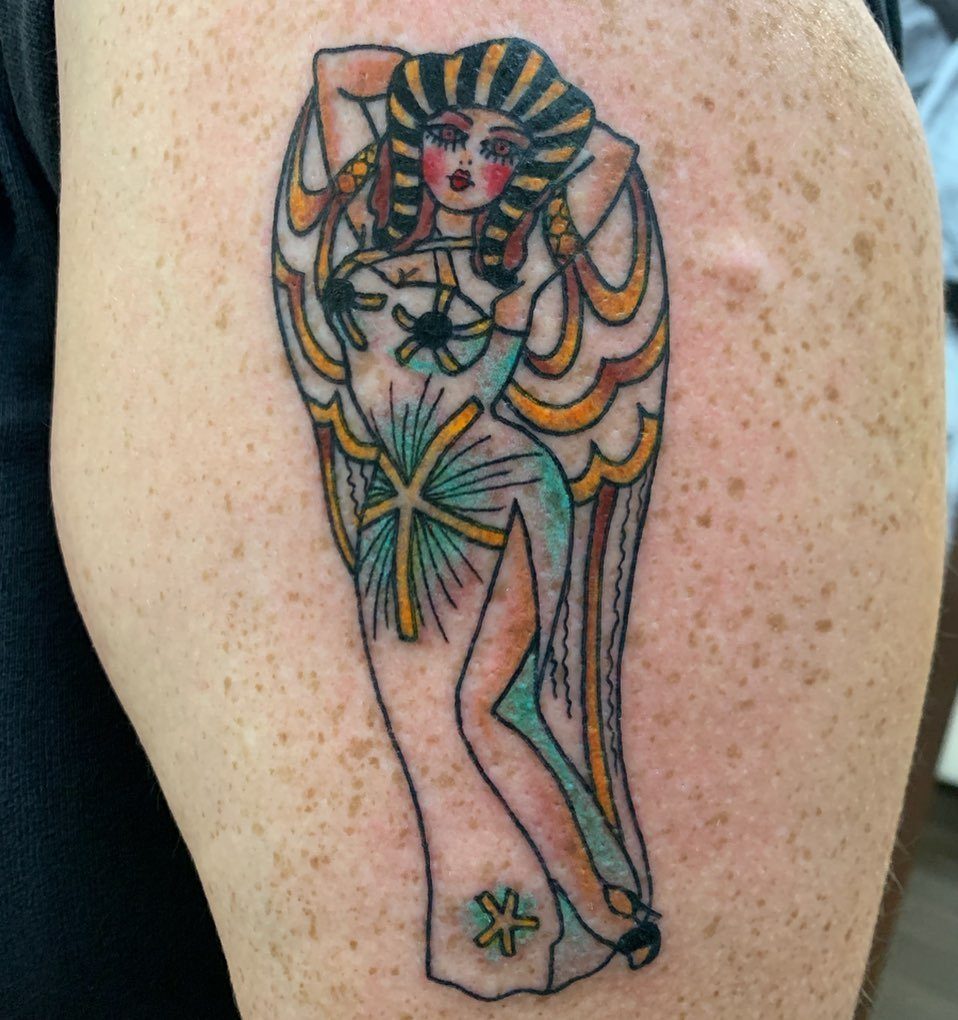
The winged figure carries only enough shading to suggest depth without pretending to be three-dimensional.
Traditional shading sits where one form passes behind another, or where a plane turns away from an imagined light source; it does not model skin or fabric the way realism demands.
This restraint is what keeps the image readable at a distance and intact as the skin ages. Ask for flat color fill and bold outlines as the main event, with shading used sparingly, almost as punctuation.

NAUTICAL SAILOR COLLECTION: Features a rich variety of maritime symbols, including traditional naval anchors wrapped in heavy ropes, minimalist solid silhouettes, a sailor's infinity knot, and a unique creative piece where the anchor transforms into flying birds.

Bold tattoo-style illustration of a classic anchor wrapped in nautical rope and crashing waves, inspired by traditional sailor ink art with a rugged, vintage maritime aesthetic.
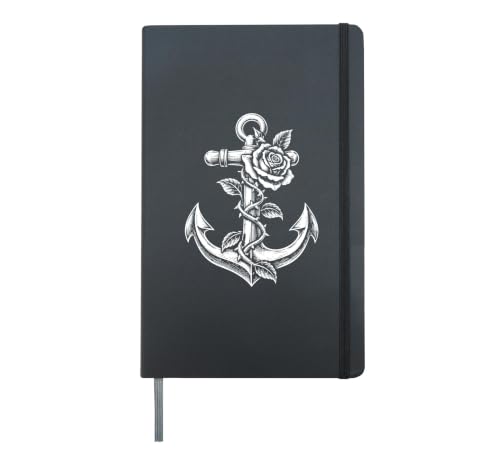
Classic nautical anchor entwined with a thorny rose stem, detailed leaves, and a bold flower. White linework and vintage shading create a traditional sailor tattoo look.
6. Traditional Tattoo Art Roses
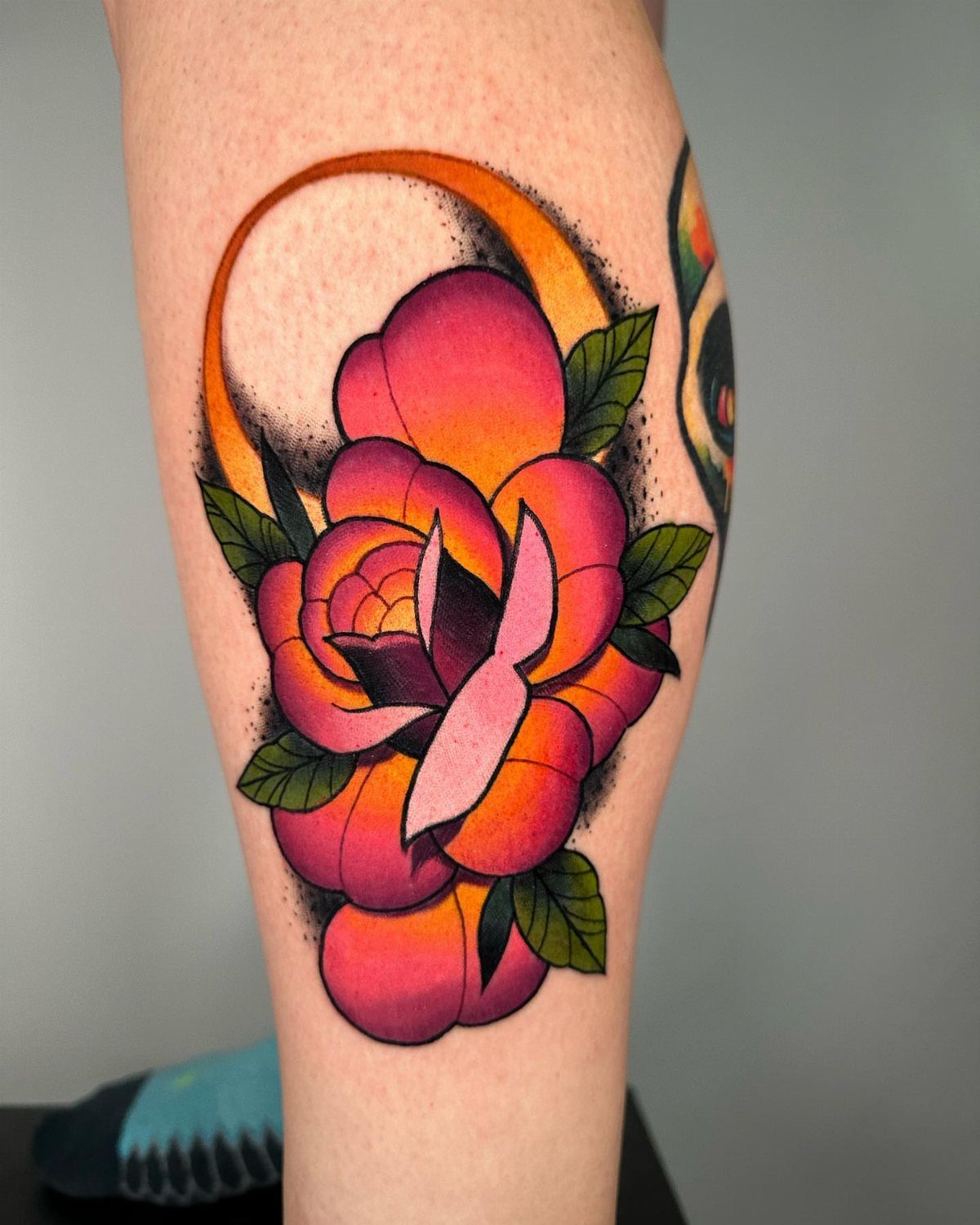
American Traditional roses run saturated pink and orange, petals simplified to their essential geometry, leaves reduced to a few clean shapes.
Roses in this style tell their own stories, separate from anchors or eagles; they speak to beauty that outlasts circumstance, or love that does not.
If you are designing your own, keep the palette tight: black, red, green, and sometimes a hit of blue or yellow.
The style lives in those constraints. A single central image with open space around it reads clearer and ages cleaner than a crowded composition.

PACK CONTENTS: Set of 100 mini temporary tattoos featuring team spirit designs including paw prints, footballs, foam fingers, and sports equipment in various colors. Select your design - tattoos measure approx 1" each and are printed 4 on sheet, 25 sheets in a pack.


Made for women tattoo enthusiasts who collect flash ideas, celebrate spooky season, and keep horror close year-round. This neo-traditional Stay Creepy concept suits creepy-art fans and ink lovers who embrace a rebellious horror aesthetic.
7. Tattoo Flash Sheets
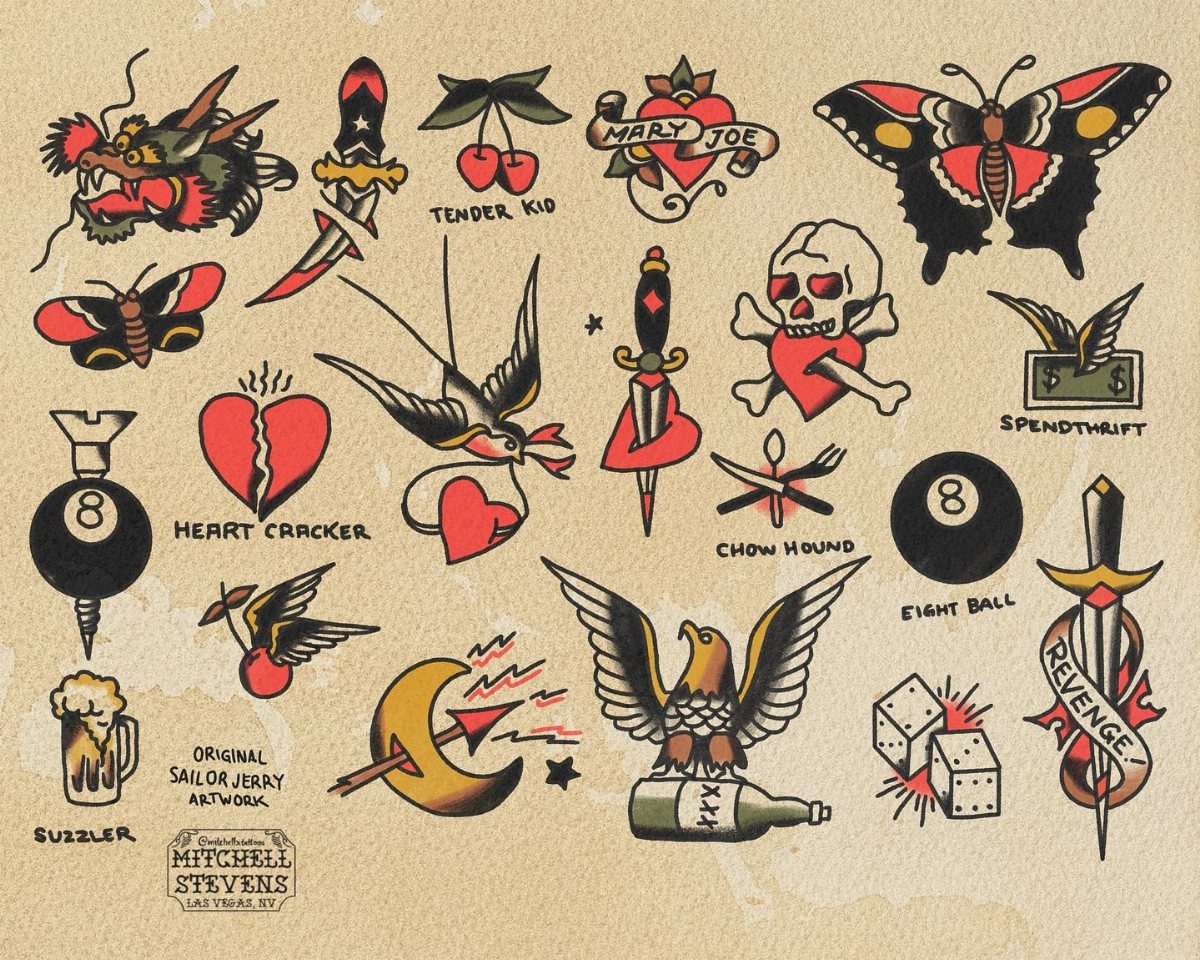
Tattoo flash sheets are printed pages of predrawn designs that artists hang on shop walls or sell outright, the same sheets that kept New York shops stocked when demand outpaced what any single hand could draw.
Collectors now buy vintage sheets for the artwork itself, but the practical use remains: flash lets you walk in, point, and walk out with an image tested across hundreds of skins.
If you choose flash, ask whether the sheet is classic reproduction or original art; reproductions carry the same history at lower cost.

𝗜𝗡𝗖𝗟𝗨𝗗𝗘𝗗: You will get 48 little custom tattoo sheets filled with american traditional style tats. This hand tattoo set is perfect for any old school traditional tattoo and blackwork lovers. Our high quality semi permanent tattoo ink is long lasting, providing you the real looking tattoos that you can reply on for several days. Beautiful designed faux tats come in a variety of sizes and designs.

Advice for Custom Tattoos
Know what you are drawing from before you pick up the pen. Traditional tattoo art carries a history that is not decoration; it is the reason the lines hold and the colors read the way they do.
Pick imagery that means something to you, not just what looks right on Pinterest.
Traditional tattoo colors were chosen because the pigments that could survive centuries under skin happened to be the ones available, and because they last. Anything busier fights the style and blurs faster.

Innovative Skin-Sync Technology: We don't just sit on the skin; we interact with it. By reacting organically with naturally occurring proteins in your skin's outermost layer (stratum corneum), our plant-based formula magically transforms from a transparent guide into a rich, ultra-realistic navy-black. It looks exactly like a healed, permanent tattoo—without the needles or depth.

Triple Blackout Tattoo Ink - Strengthen your shading with Triple Blackout, the boldest black designed for greater dimension in your tattoos. With a glycerin free formulation, this professional tattoo ink inserts smoothly into the skin for excellent distribution and shading.

BOLD BODY ART is at your fingertips with hawink Skin Markers. Create vibrant temporary tattoos to complement cosplay outfits, Halloween costumes. Includes easy-to-use stencils. TEMPORARY TATTOO KIT includes 10 skin-safe body art pens and 56 large temporary tattoo stencils. Create eye-catching body art with a rainbow of tattoo marker pens that are skin-friendly.
Tattoo Aftercare
Aftercare for traditional work starts the moment the machine stops. Bold black outlines and saturated color fill leave the skin more irritated than fine line work, so those first couple days matter more.
Keep the bandage on for the time your artist specifies, then switch to whatever aftercare routine they recommend.
Wash gently with unscented soap and lukewarm water, then pat dry with a clean towel. Apply a thin layer of aftercare product: fragrance-free lotion or a dedicated tattoo balm, nothing with petroleum that can clog pores and pull ink.
Avoid soaking the area until the surface has closed up and the peeling has settled down.
Showers are fine; baths, pools, and oceans are not. Sun exposure will fade those saturated reds and greens faster than black, so keep it covered or use SPF once healed.
Do not pick at it. Let the scabs flake on their own, or you will lift color out with them.

Features a torn appointment ticket unfolding into a swallow stencil outline with loose scribble lines and registration dots in bold line-art style

Purple brush tip tattoo markers lay down a clear consistent line for sketching freehand designs directly on skin before you commit to the needle or map out placement during a client consultation appointment

24PCS Unique Henna Stencil Pack – This complete henna tattoo kit accessory set includes 24 sheets of reusable mehndi stencils (6.89" x 3.34"). Featuring exclusive designs like long arm bands, moon motifs, vine flowers, and large floral templates, it is ideal for creating DIY temporary skin art on wrists, arms, back, and full body.
Choosing a Tattoo Artist
I look for healed photos in any portfolio, not just fresh work shot under studio lights where the redness flatters everything.
Bold outlines and flat color fill age differently than fine line or realism, and you want proof this artist knows how they settle.
2 artists can both work American Traditional and still handle a dagger or a ship completely differently.
Some pull from Chicano storytelling traditions; others stay closer to maritime roots. Look for the one whose particular lineage resonates with you, not just the one with the most followers.
During consultation, ask how they sequence color. If they cannot tell me who trained them or which shop shaped their line weight, I start wondering how much they actually studied the style.
A true specialist will also tell you when your idea breaks the grammar of the style rather than pretending anything can be forced to fit.


Made from the highest quality Oracal 651 Vinyl

Bold tattoo-style illustration of a classic anchor wrapped in nautical rope and crashing waves, inspired by traditional sailor ink art with a rugged, vintage maritime aesthetic.