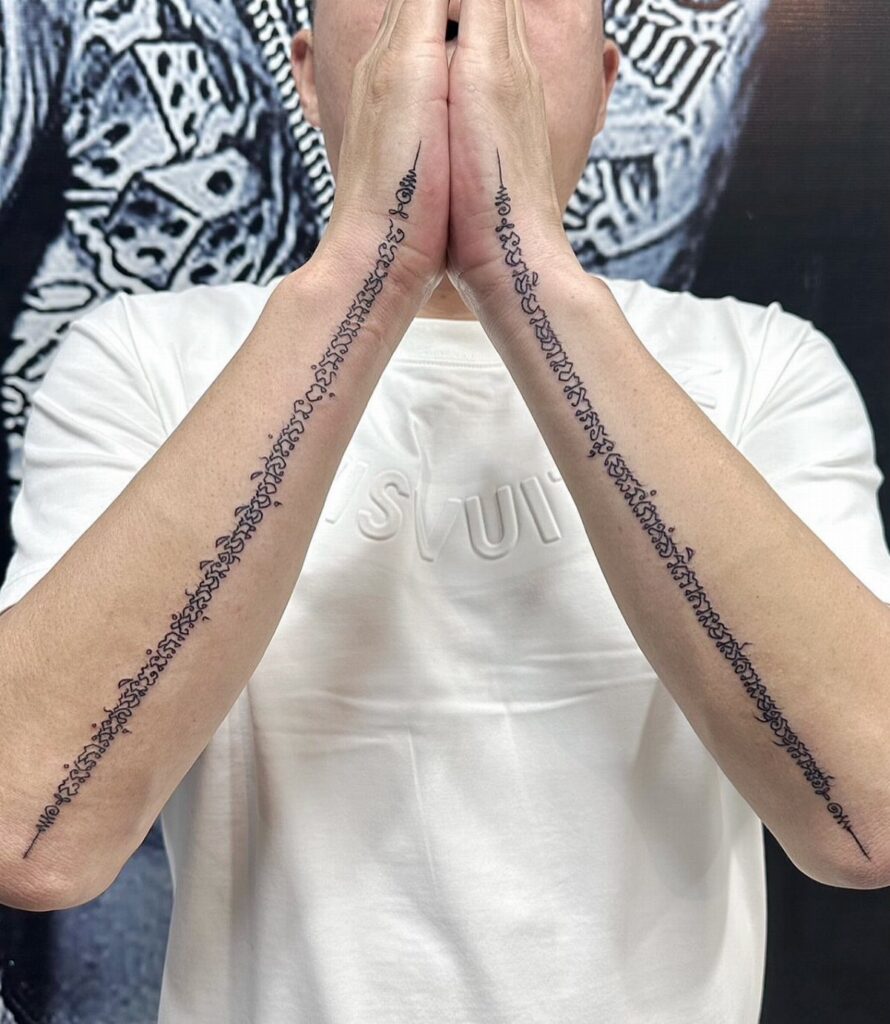
Arm placement ranges from the visible forearm to the easily hidden elbow fold, and the right spot depends on whether your priority is daily self-view or public display.
A wrist piece faces either you or the world, so that single choice of audience shapes everything from stencil direction to how often you will need touch-ups as the hand moves through thousands of bends.
1. Forearm Tattoos
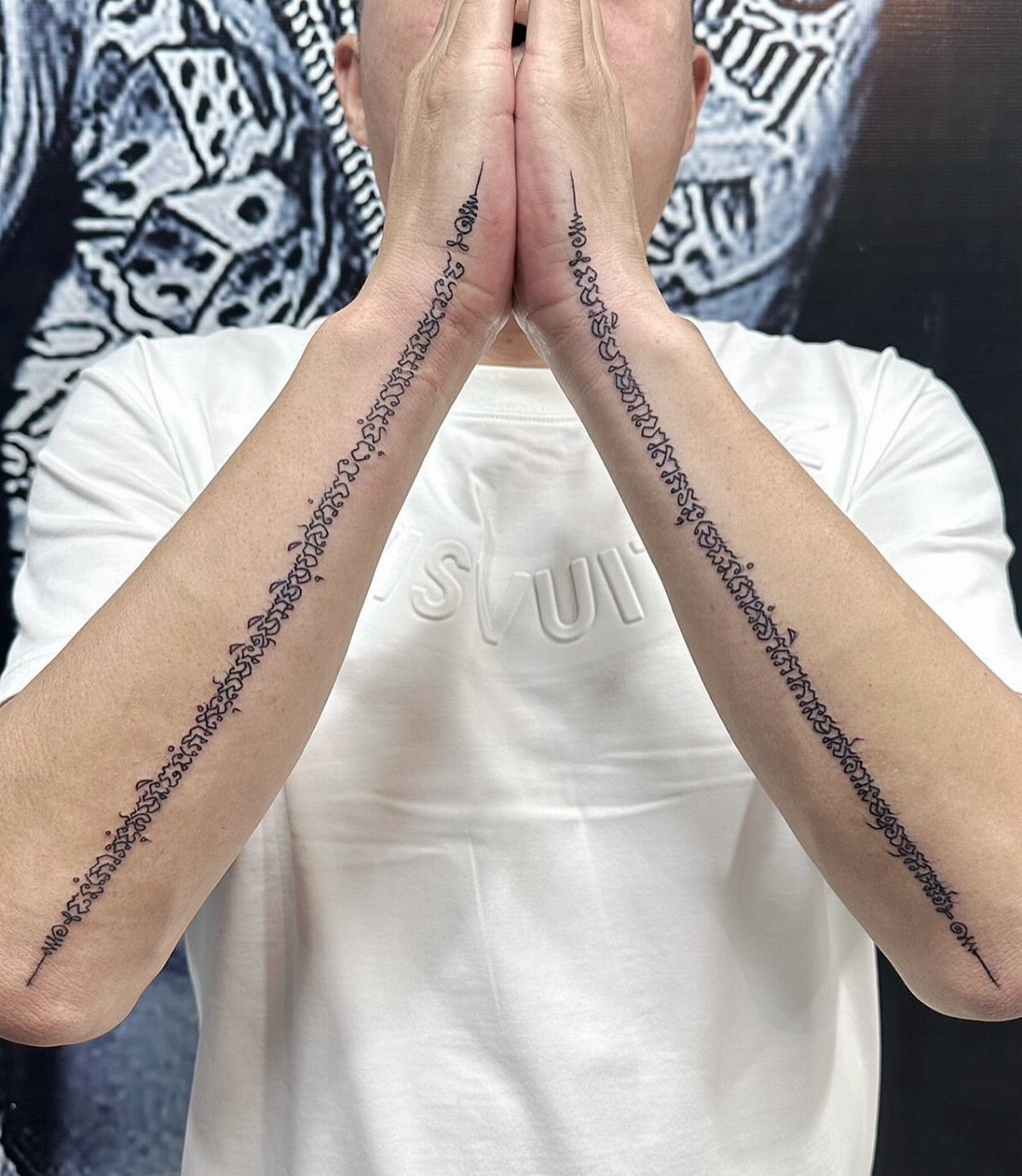
The forearm gives you a long, flat stage that reads from across a room and still looks right when you check it yourself.
Most first-timers land here because the bone sits close to the surface, which hurts, but the session ends fast enough that you do not tap out. Script running lengthwise follows the muscle line and ages cleaner than something boxed in.
You will want to check your workplace dress code before committing. This placement does not hide under a short sleeve.
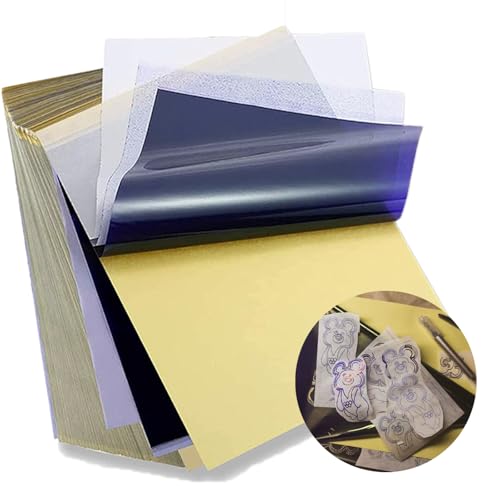
Standard size: Tattoo Transfer Paper is standard A4 paper size, each measures 8.27 in X 11.69 in. There are 4 levels in total. The thickness of the paper is very light and smooth to the touch.

Spirit Tattoo Classic Thermal Transfer Paper, 8.5” X11” (100 Sheets): Established since 1946, the original and trusted choice of tattoo artists globally, offering reliability and consistency in tattoo stencil creation.

Warm Tips: The tattoo transfer paper need to work with transfer medias.You will need to purchase the stencil ointment separately. Apply the design made on the master paper. Please pay attention to press the back side of the pattern to the skin for at least 3 seconds
2. Wrist Tattoos
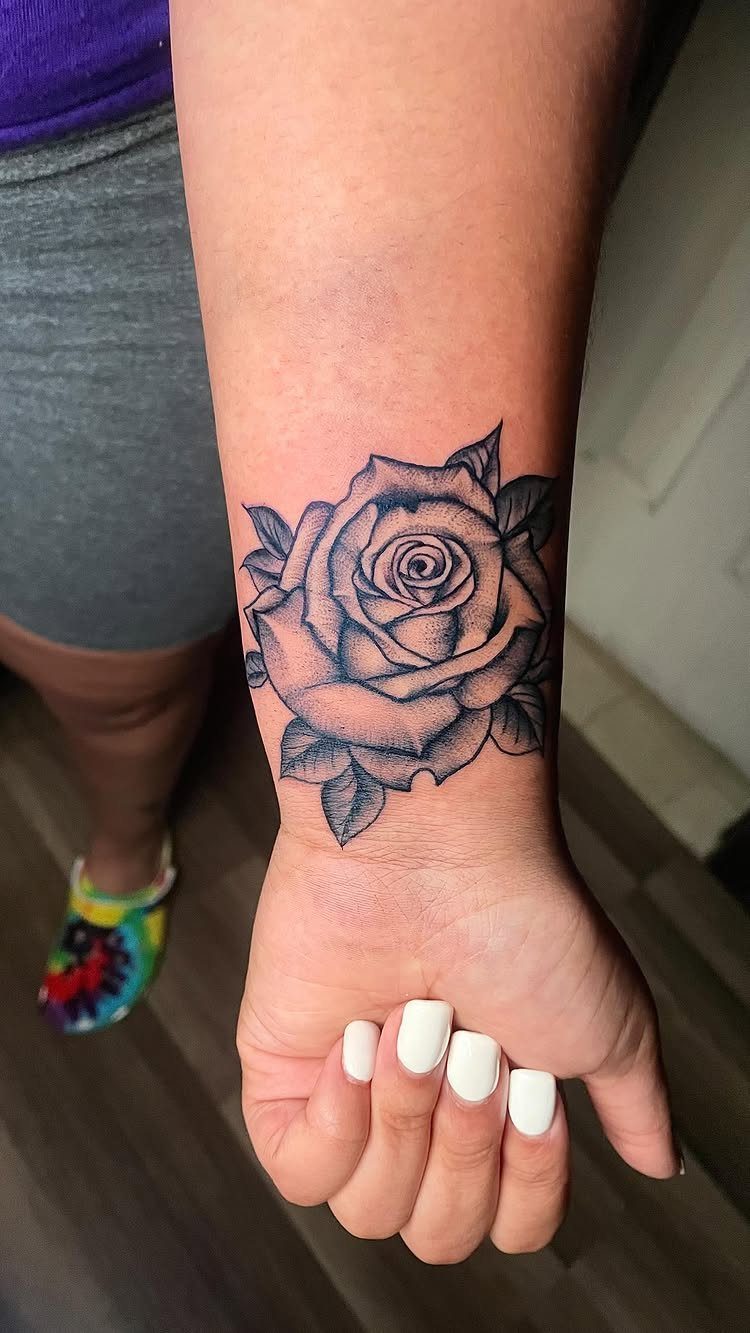
A wrist piece sits where you see it without mirrors, which matters more than people expect.
The inner side faces you; the outer faces the world, so pick your audience before the artist sets the stencil. Roses work because the shape wraps the narrow bone without distorting.
Veins show through that skin, but they do not stop the needle.
The skin there is thin, so the needle sits close to bone and tendon; that is where the sting comes from, not from any worry about what runs underneath.
What does change is healing: the hand moves constantly, so plan for extra touch-ups if the ink settles unevenly.

COMPLETE AFTERCARE KIT FOR NEW & EXISTING TATTOOS: This Tattoo Aftercare Kit brings together 3 essentials, Antimicrobial Soap, Tattoo Balm, and Tattoo Lotion, to help cleanse, protect, and moisturize fresh ink. Useful after tattoo sessions and throughout healing, it supports vibrant color and skin comfort for dedicated ink enthusiasts and artists

TATTOO AFTERCARE ESSENTIAL: Hustle Butter is the original tattoo aftercare balm for new and older tattoos. With over 10 years in the market, we are a pioneer of the tattoo aftercare category.

🌿 VIBRANT COLOR & DEEP MOISTURE - Crafted with nutrient-rich a&d ointment, our balm deeply hydrates freshly inked skin. It supports your natural moisture barrier, keeping body art and microblading looking bold and beautifully vibrant.
3. Elbow Area Tattoos
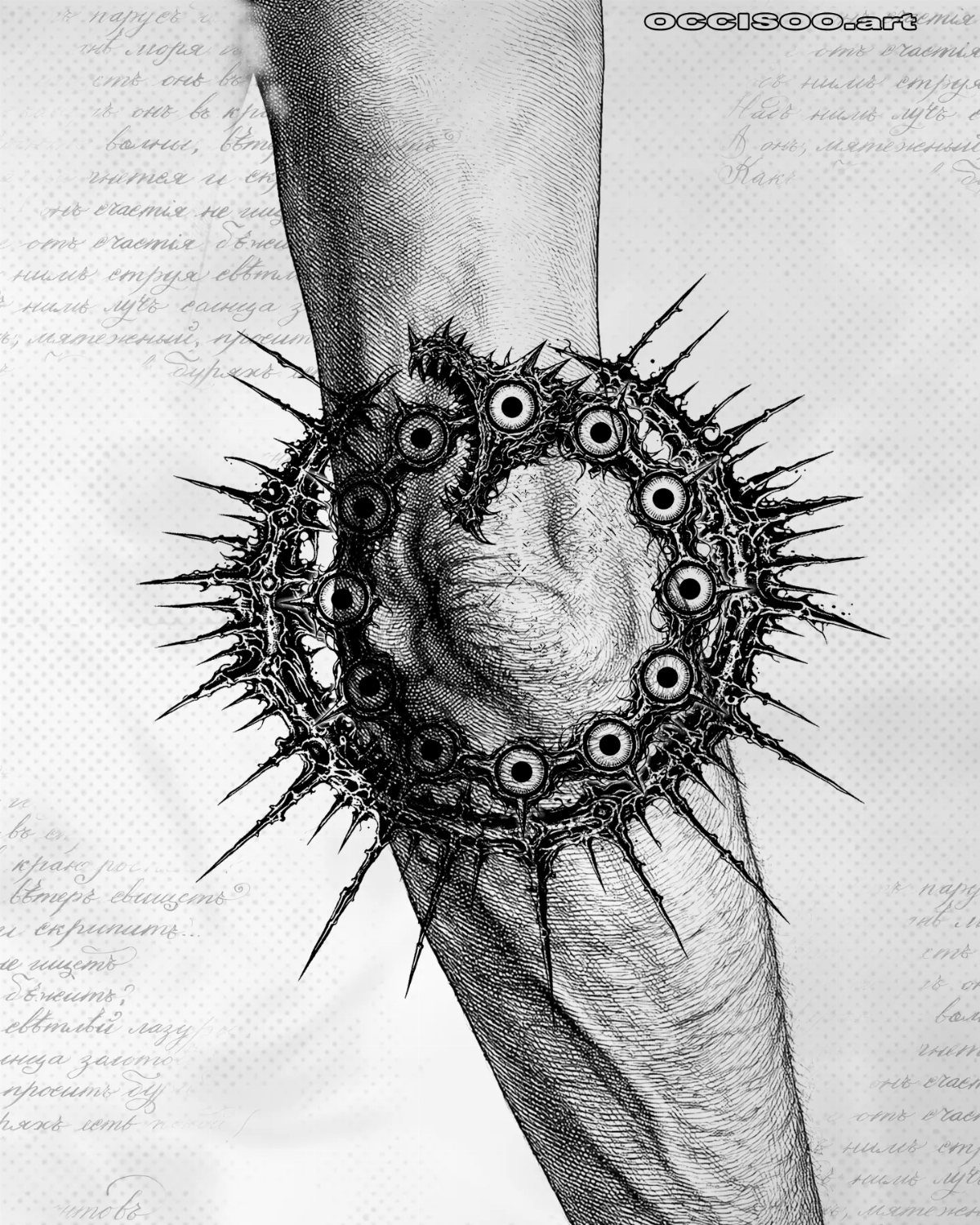
The elbow demands a circular or radiating design, anything else warps when the arm bends. The spiked eye motif wraps the joint the way a knee piece wraps the leg: the geometry has to account for movement.
Skin here is thick and tight, so the session hurts more than the forearm, and the artist may stretch it hard to get the needle in clean.
Check that your artist has healed photos of elbow work, not just fresh ones. What looks bold on day one can blur where the skin folds daily.

Material: Made of high quality porous non-woven, which is soft and safe for your skin with function of ventilation.

Self Adhesive Bandage: Package includes 16 rolls of black self adhesive bandage wrap. Each roll measures 2 inch wide and 5 yards long after stretching. It easily adheres to itself but will not stick to other surfaces such as skin or hair, making it easy to pull off and change bandages

Self Adhesive Bandage: Package includes 16 rolls of multi-color self adhesive bandage wrap. Each roll measures 2 inch wide and 5 yards long after stretching. It easily adheres to itself but will not stick to other surfaces such as skin or hair, making it easy to pull off and change bandages
Choosing Tattoo Placement
A design that follows the muscle flow looks like it belongs there; one that fights it looks stuck on. Before you settle on a spot, move the joint through its full range and watch how the skin shifts.
Visibility is a practical choice, not just a preference.
A piece you need to hide for work belongs where a standard sleeve covers it. Decide which audience matters more: you, or everyone else.
Personal significance can live in color choice, placement, or negative space; it does not have to be a literal image. Sometimes the meaning is simply that you chose a place that took courage to sit through.

Precision Transfer Performance - It’s professional-grade tattoo stencil paper delivers vibrant, high-definition transfers even for intricate designs. The carbon layer ensures sharp outlines without smudging or fading, ensuring crisp lines that stay true to your original artwork.

Precision Transfers & Long Lasting: Tattoo stencil paper delivers vibrant, high-definition transfers even for intricate designs. Creates crisp, dark lines that transfer cleanly to skin (clearly on different skin tones) which are easy to follow during tattooing. The carbon layer made from high-quality dyes ensures sharp outlines without smudging or fading and maintains crisp lines visibility throughout long tattoo sessions, so you can focus on creating art instead of re-drawing lines

Crystal Clear Transfer & Stable Stencil Effect : Our KVM transparent tattoo stencil film delivers sharp, clean printed lines. The pattern transfers perfectly onto skin, not easy to smudge or wipe off after application. It works great for intricate mandalas, skulls, portraits and line art.
Pain Levels by Placement
Muscle and fat cushion the needle, bone does not.
The forearm sits close to the radius, so the vibration travels straight to the nerve. It hurts, but the area is small enough that most people finish before adrenaline fades.
The elbow is worse. Sessions here run longer because the area needs more care, not because the design is larger.
The wrist surprises some people.
The bone is there, but the skin is thin and the hand never stops moving, so the sensation keeps changing. What saves it is speed: a small design wraps fast.

SUN PROTECTION ARM SLEEVES: These lightweight arm sleeves provide full arm coverage to shield your skin from UVA and UVB exposure; great for driving, cycling, fishing, hiking, gardening, running and daily outdoor activities

Roxun cooling arm sleeves provide a seamless, snug fit, thanks to the durable blend of 90% nylon and 10% spandex. Forget about constant adjustments or circulation issues
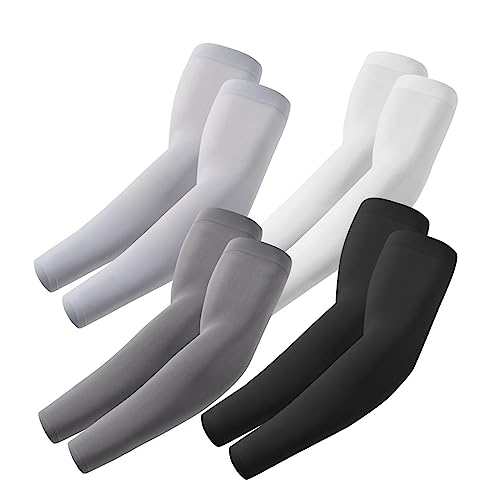
Roxun cooling arm sleeves provide a seamless, snug fit, thanks to the durable blend of 90% nylon and 10% spandex. Forget about constant adjustments or circulation issues
Long-term Tattoo Care
The wrist bends thousands of times a day, and the skin there is already thin.
Over years, ink can blur where the crease forms. The elbow folds too, but the skin is tougher and the design is usually built to move with it.
Healing a wrist piece means adjusting daily habits.
Watches, bracelets, and fitness trackers press and rub, and desk contact adds irritation you do not notice until the skin complains. Hand washing brings soap and water near the tattoo several times a day; follow your artist’s cleaning instructions exactly.
Touch-ups are part of the deal on high-movement spots. Plan for them in cost and in calendar time, not as a failure of the artist or your care.
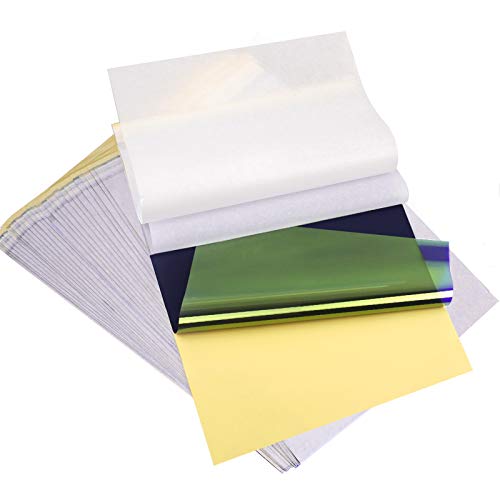
ADVANCED MATERIAL: Tattoo transfer paper is made with the high quality dyes and stencil paper. Transfer marks are very clear, clean and smooth. Tattoo transfer paper kit come with 35 sheets. Great for tattooing, trace and transfer images onto the body.<br>

Phomemo Tattoo Transfer Paper Kit: Paper size: 8.27" 11.69" (210 297 mm). Quantity: 1 box (100 sheets). Color: Blue. This Tattoo Stencil Paper features a dotted line design, allowing for easy tearing without tools. Tear off the master design and yellow backing sheet effortlessly for a smooth tattooing experience. This product is suitable for tattoo enthusiasts, artists, and professional tattoo artists, offering reliability and consistency in tattoo stencil creation

Safe and Healthy: Our tattoo transfer gel meets strict safety and non-toxic material standards, non-irritating to the skin and vegan-friendly. Maintains client comfort while achieving clear tattoo stencil transfers.
Frequently Asked Questions
How to decide tattoo placement on arm?
Start with how visible you want the piece to be, since the forearm shows under any short sleeve while a full bicep stays hidden.
Match the design to the shape of the spot: script follows the forearm muscle line, and circular designs work around the elbow where skin folds.
How big is a $2000 tattoo?
Size and price connect to the artist’s hourly rate and how dense the detail is, so a dollar figure alone will not tell you how many inches you are getting.
A shop’s hourly rate and the artist’s speed matter as much as the design dimensions; those numbers vary too widely to guess.
Does tattoo placement affect pain?
Yes, and the difference is sharp. Padding from muscle and fat changes how the needle feels, which is why the forearm stings where the radius lies shallow and the elbow can be rougher with its thick, tight skin.
A wrist piece keeps the sensation shifting because the hand never quits moving, so the small area still keeps you adjusting.
Where should I place my first tattoo?
Most first-timers end up on the forearm because the session stays short enough that you do not tap out, even with bone sitting close beneath.
The outer upper arm and outer shoulder are also common starting points, since they balance visibility with more cushioning muscle. Avoid the elbow and wrist until you know how your body handles the needle.